Consumer TechLOT 261122 · 3 min read
Signal Blocks Screenshots on iOS 27 and Android to Keep AI Agents Out
Signal blocks screenshots on iOS 27 and activates Screen security on Android when it detects AI agents reading the screen, calling Siri AI and Gemini an existential threat to privacy.
Key takeaways
- On Nov. 20 Signal announced screenshot blocking on iOS 27 and automatic Screen security on Android, on by default.
- Signal president Meredith Whittaker called agentic AI an "existential threat" to the nonprofit's mission.
- Signal blocked screenshots by default in Windows 11 in 2025 to counter Microsoft's Recall.
- Reuters reported Meta's Muse read Signal messages on a Mac and an Android phone; an Apple update this week closed that route.
- Signal asked Apple, Google and Microsoft for a documented opt-out from AI data access.
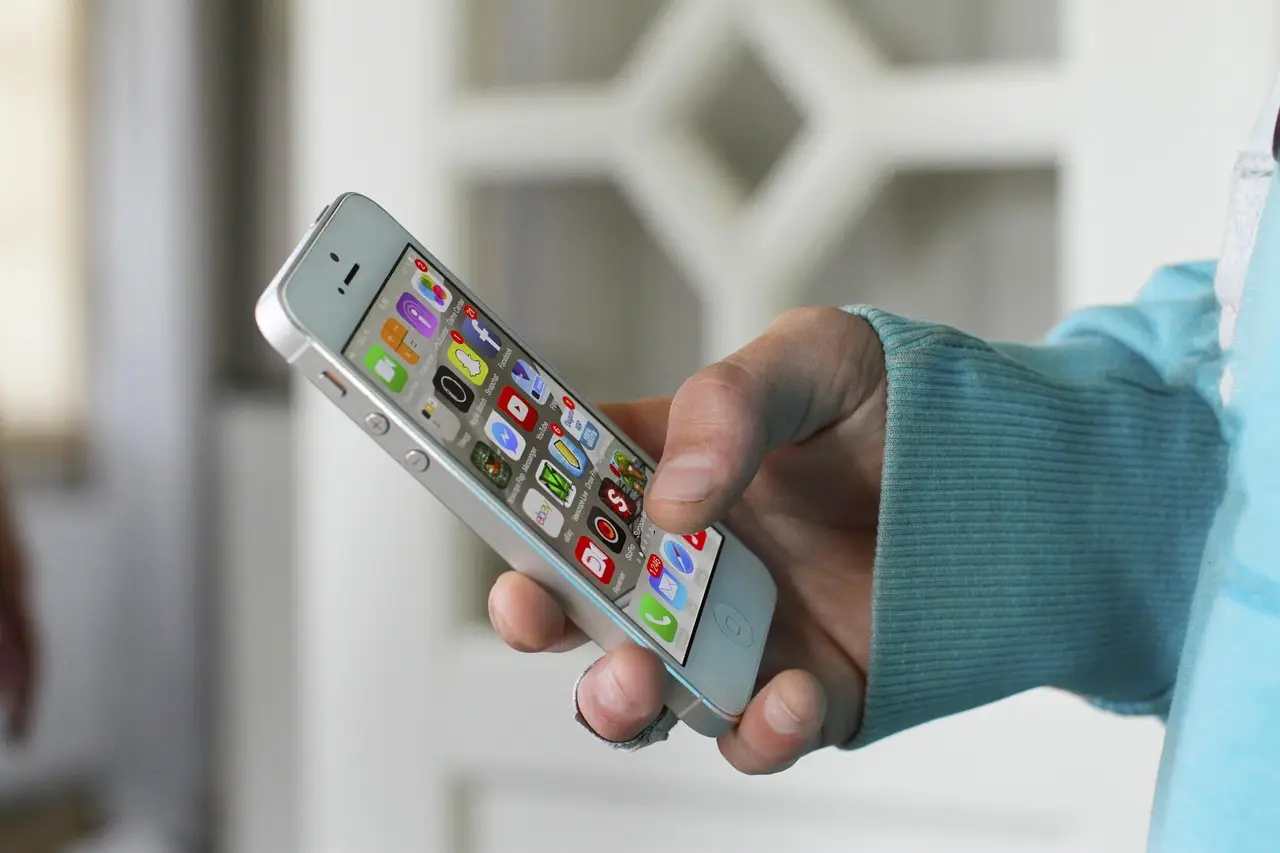
Signal will block screenshots inside its app to stop AI assistants built into phone operating systems, including Apple's Siri AI and Google's Gemini, from reading users' chats. The nonprofit announced the change on Friday, Nov. 20, and Reuters reported that the new protections arrive switched on by default.
Signal president Meredith Whittaker did not soften the framing. "These agentic AI integrations are changing this environment in a way that's making it increasingly hostile to privacy," she wrote in a blog post. "This is an existential threat to Signal, and our ability to responsibly uphold our mission."
How does the block actually work?
The mechanics differ by platform. On iOS 27, Signal simply prevents screenshots taken inside the app. On Android, many manufacturers' builds do not give Signal a reliable way to detect screenshot attempts, so the app instead watches for an AI assistant trying to access the screen. When it spots one, it switches on its existing Screen security setting automatically. In short: one platform blocks the capture itself, the other blocks the screen from being read.
Users who still want screenshots can turn the protection off in settings. Signal warns that doing so may expose their messages, and their contacts' messages, to the agents.
Why does Signal call the fix incomplete?
The nonprofit is blunt about the limits of its own remedy. Three gaps stand out:
- The protection does not cover every Android device, because Signal cannot detect every vendor's behaviour.
- It does not stop agents that pull content already stored on the phone through the filesystem.
- Signal is not blocking Siri AI on macOS, because Apple offers no documented way to block ordinary screenshots there.
Signal said it spent months doing forensic work on Android and iOS to learn what the agents actually read. This is the second time the nonprofit has moved against OS-level AI: in 2025 it switched screenshot blocking on by default in Windows 11 to keep Microsoft's Recall feature from storing its messages.
What does Signal want from Apple, Google and Microsoft?
Signal has asked the three operating system makers for a simple, documented way for apps to opt out of AI data access. The request covers screen reading, filesystem access, notifications and APIs, plus technical specifications explaining how the agents handle data. Signal added that confidential computing approaches are not a complete answer, and said it is "cautiously optimistic" that Google and Apple are engaging with it.
The blog post also names third-party agents such as Meta's Muse, which it says use accessibility permissions granted during setup. Reuters reported earlier this week that Muse had read Signal messages on a Mac and an Android phone. Meta's response: agents "need to see and interact with people's computers in order to work on their behalf," and they can reach other apps only through permissions users grant.
Reuters also reported that an Apple update this week closed the macOS route Muse had used, while adding new agent permissions that carry extra warnings.
Where does this leave the standoff?
Signal has deployed a partial technical shield and is pressing for a proper opt-out mechanism from the platform owners. Whether Apple, Google and Microsoft supply documented AI-data exclusions will decide if encrypted messengers can coexist with agentic assistants, or must keep building narrower workarounds one operating system at a time.
mlq.ai (Source)
More from Tom Whitfield
Show full bio
Staff writer covering companies, deals and strategy in Semiconductors, chip manufacturing, hardware, AI compute at Chip Dispatch.
1,200 articles