Six Pallets of Nvidia GPUs Worth $11.4 Million Stolen in California
Thieves posing as a food transport firm took six pallets of Nvidia hardware worth $11.4 million from Oakland. A similar RTX 5090 heist hit São Paulo's airport weeks later.
- By
- Grace Kim
- Filed
- Channel
- AI & Compute
- Read
- 3 min read
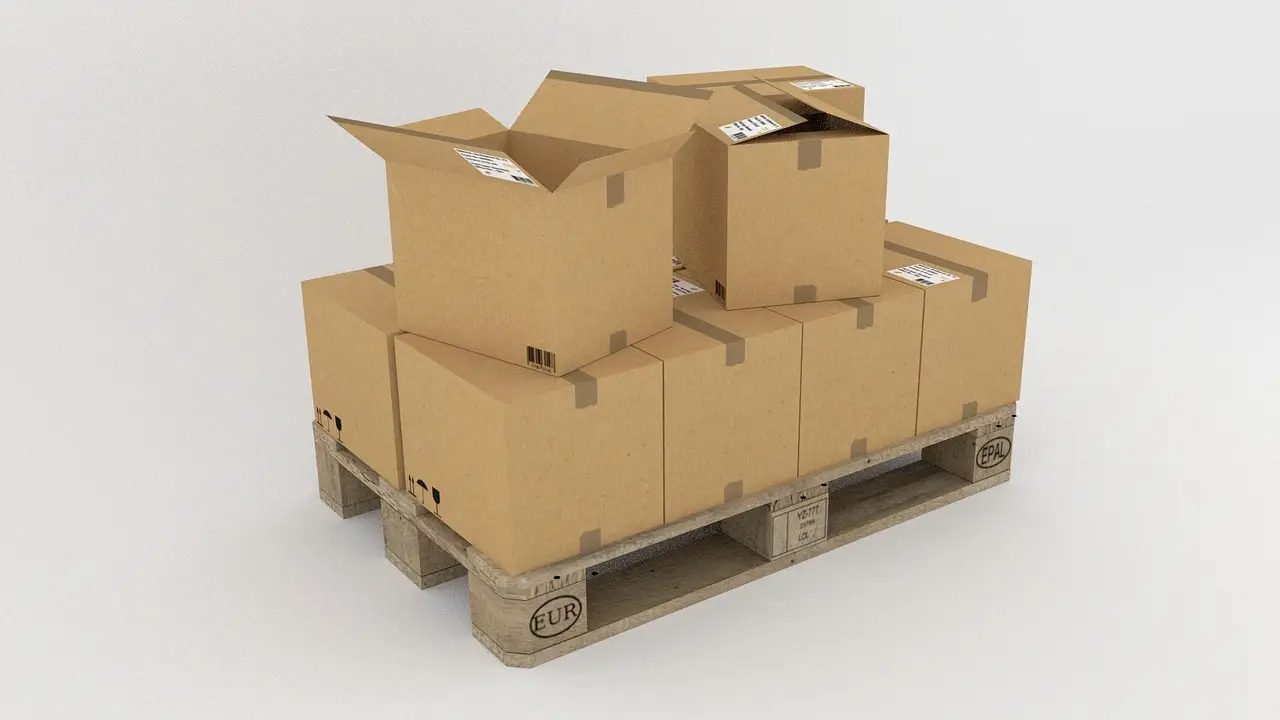
Six pallets of Nvidia hardware worth $11.4 million vanished from a California freight lane, and police have made no arrests. The shipment left Oakland for Texas on August 29. A truck registered as a food transport company picked up the load. Investigators lost track of the vehicle in San Bernardino County. The Oakland Police Department received the theft report on September 13, according to ABC7 News.
The heist marks the second high-value GPU theft in two months. Criminals increasingly target advanced computing hardware as demand and prices surge.
Why do stolen chips command premium prices?
Black-market buyers pay well above domestic retail. Olaf Groth, a professor at UC Berkeley's Haas School of Business, told ABC7: "These chips command about double the price that they command inside the United States. So, if a chip costs about $550,000, then they go for about 1 million or more abroad."
That premium explains the incentive. A single diverted load can return more than most cargo thefts in a year.
What are the security and policy concerns?
Experts now question how freight forwarders verify carriers. In this case, a truck with false credentials collected six pallets and disappeared. No announcement of arrests has been made. Authorities continue to investigate.
The incident also raises national security concerns. Advanced computing hardware flowing into black-market channels can bypass export controls and end up with unknown end users.
What happened in the Brazil RTX 5090 heist?
A parallel case in Brazil shows the same pattern with a different failure point. Two pallets of Nvidia's flagship GeForce RTX 5090 cards, valued at approximately $470,000 (R$2.5 million), disappeared at Guarulhos International Airport in São Paulo.
Key details of the Brazilian case:
- The shipment was imported from the United States.
- It arrived at the airport on September 20 and cleared customs on September 24.
- The two pallets went missing the day after being authorized for release.
- Police identified three airport employees as suspects.
Investigators concluded the theft was likely an inside job. Two outsourced forklift operators allegedly removed the pallets from a warehouse. CCTV reportedly captured the removal. A third employee, responsible for checking and releasing merchandise, allegedly helped bypass the airport's electronic controls.
How did a single listing expose the stolen cards?
One of the stolen Zotac RTX 5090 cards appeared on the Brazilian online marketplace OLX. The seller asked more than $6,000. The listing included clear photographs of the card's serial number. That detail linked the card directly to the missing shipment. The listing has since been removed. The whereabouts of the remaining cards remain unclear.
The serial number trace shows how quickly stolen hardware surfaces in open markets. It also shows the limits of traceability once cards leave authorized channels.
What do the two heists have in common?
Both cases exploited trusted points in the logistics chain. In California, thieves impersonated a legitimate carrier. In Brazil, airport staff allegedly abused internal access. Neither theft required defeating physical security at a manufacturing or retail site.
Both hauls also involved Nvidia's most valuable product categories. High-end data center and consumer GPUs now carry street prices that rival jewelry and pharmaceutical loads, the traditional targets of organized cargo theft.
What comes next?
Authorities in California continue to investigate the Oakland theft. The Brazilian case has named suspects but no reported resolution. Unless carriers, airports and freight brokers tighten verification of drivers and handlers, the double-price premium Groth described will keep advanced chips among the most attractive targets in global cargo crime.
Source: Tom's Hardware
More from Grace Kim
Show full bio
Market editor covering people, launches and day-to-day practice in Semiconductors, chip manufacturing, hardware, AI compute at Chip Dispatch.
715 articles
Related articles
thieves-hijack-nvidia-branded-trailer-hauling-20-000-pounds-of-sand-30cdd9d9
Thieves Hijack Nvidia-Branded Trailer Hauling 20,000 Pounds of Sand
thieves-hunting-nvidia-ai-chips-make-off-with-18-tons-of-sand-8058597b
Thieves Hunting Nvidia AI Chips Make Off With 18 Tons of Sand
us-authorities-charge-california-man-over-ai-chip-sales-to-china-be559d5a
US Authorities Charge California Man Over AI Chip Sales to China
california-man-arrested-for-smuggling-nvidia-chips-to-china-3e4366b6
California Man Arrested for Smuggling Nvidia Chips to China