AI & Compute · 4 min read
SoftBank Floated a $1 Trillion Buyout of SK Hynix as AI Stocks Cratered
SoftBank explored a $1 trillion SK Hynix buyout before dropping it, as Nvidia, AMD and Broadcom fell 12-16% and Oracle denied OpenAI funding gaps.
Key takeaways
- AI-exposed stocks including Nvidia, AMD, Broadcom, CoreWeave and Nebius fell 12-16% in Friday's selloff
- SoftBank CEO Masayoshi Son explored a $1 trillion buyout of SK Hynix but is no longer pursuing it, per The Information
- Oracle issued a Friday-night statement saying it raised all funding needed for its OpenAI data center deal
- Anthropic stock fell on its second day of trading
- SoftBank's balance sheet is stretched by loans taken to invest in OpenAI
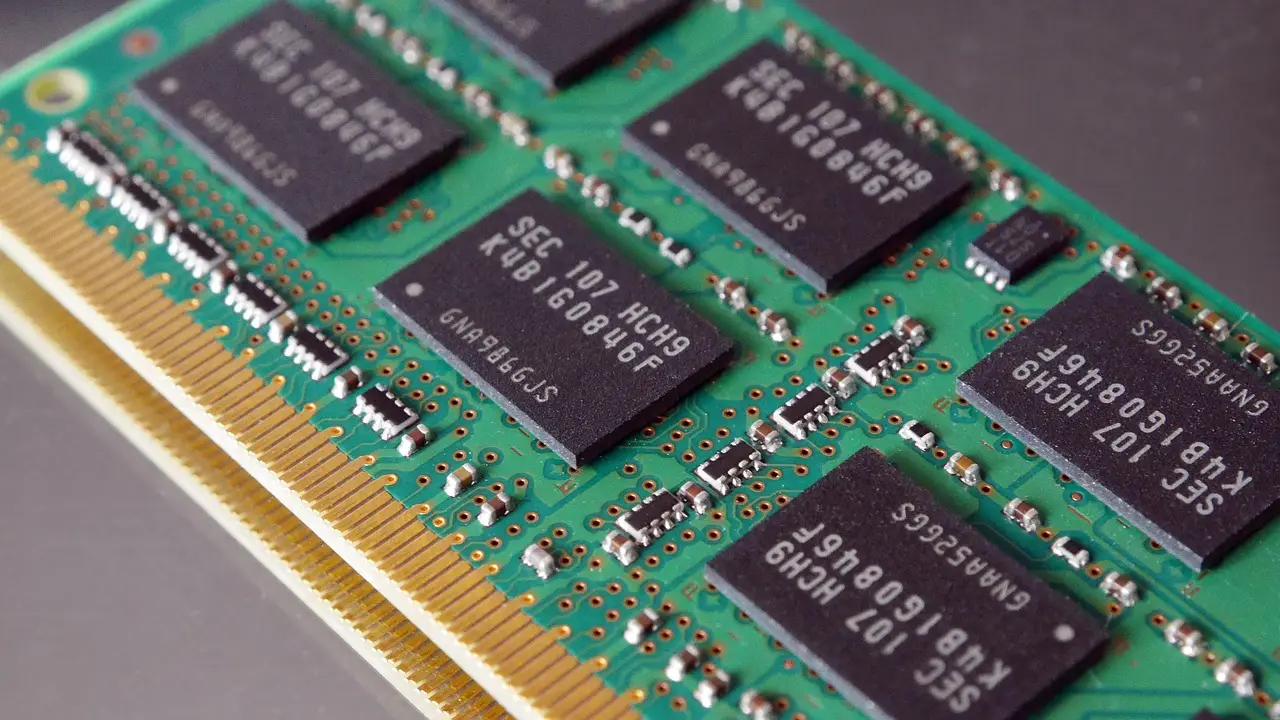
SoftBank CEO Masayoshi Son explored a buyout of SK Hynix valued at one trillion dollars, The Information reported late Friday, before abandoning the idea entirely — a plan that surfaced on the same day AI-linked semiconductor stocks fell between 12 and 16 percent.
The report landed amid what Wall Street treated as the moment the AI trade finally cracked. Bloomberg framed the weekend question bluntly: what can save the AI trade after the Anthropic wipeout?
How bad was Friday's selloff?
The stocks most exposed to AI infrastructure took the heaviest damage. Nvidia, AMD, Broadcom and the neocloud operators CoreWeave and Nebius all dropped in a range of 12 to 16 percent.
Anthropic, in only its second day of trading as a public company, also fell sharply. The breadth of the decline mattered as much as its depth: every layer of the AI supply chain, from chip designers to data center renters, moved down together.
That correlation is the mechanism investors watch. When suppliers, builders and customers of the same infrastructure fall in lockstep, the market is repricing the whole thesis, not one company's quarter. Friday's session suggested the air has finally gone out of the AI bubble.
The plain takeaway: the selloff was broad, synchronized and aimed squarely at the AI buildout.
Why did Oracle issue a Friday-night statement?
The most telling signal of the week came not from a stock chart but from a corporate press release. Oracle issued a statement late on Friday declaring it had raised all the money it needed to fulfill its large OpenAI data center deal, and that any report claiming otherwise was wrong.
Companies rarely issue denials on Friday evenings unless the underlying worry is real. The statement's defensive tone — insisting that contrary reporting is simply wrong — suggests Oracle is sensitive about the market's mood on AI financing right now.
The context explains the sensitivity. If investors begin to doubt that the giant data center projects underpinning AI demand can actually be funded, the valuations of everyone in the chain come into question. Oracle moved to cut that doubt off at the source.
The plain takeaway: Oracle felt compelled to publicly deny a funding gap, which itself shows how fragile confidence in AI financing has become.
What did SoftBank actually consider?
The Information's report on SoftBank is the more remarkable document, and it deserves careful reading. Son explored a trillion-dollar buyout of SK Hynix, the South Korean memory maker whose HBM output sits at the center of AI chip supply.
The emphasis belongs on the past tense. SoftBank said the idea is no longer being pursued. That admission is what makes the story: somebody at the top of SoftBank ran the numbers on owning SK Hynix outright, at a price of roughly one trillion dollars, and only then let it drop.
The obstacles were not subtle. SoftBank's balance sheet is already stretched by the loans it took out to invest in OpenAI. Raising the additional hundreds of billions needed to buy Hynix would strain any institution on earth.
There is also the political question. The South Korean government would be unlikely to ever allow such a deal, given Hynix's strategic weight in the national economy. A buyer can have any price it likes; without a willing government, there is no transaction.
The plain takeaway: a trillion-dollar idea that collapses the moment it meets a leveraged balance sheet and a protective state tells you how far the AI boom has stretched corporate ambition.
What does this say about the AI financing cycle?
Three signals arrived together. Stocks priced for perfection fell double digits. Oracle volunteered a denial about its OpenAI obligations. And SoftBank briefly entertained a buyout of the memory maker whose product every AI accelerator needs.
Read together, they describe a market that has shifted from asking how big AI can get to asking who pays for it. When financing questions start driving Friday-night press releases and past-tense trillion-dollar ideas, the marginal dollar in the AI buildout has become harder to find.
The question that now decides pricing across chips, memory and data center capacity is whether Friday marked a routine correction in a long expansion or the first crack in the funding model behind it.
theinformation.com (Source)
More from Tom Whitfield
Show full bio
Staff writer covering companies, deals and strategy in Semiconductors, chip manufacturing, hardware, AI compute at Chip Dispatch.
1,207 articles