SpaceX Eyes $24 Billion Gas-Fired Supercomputer Site in Starbase, Texas
SpaceX proposes a $24 billion gas-fired supercomputer in its own company town of Starbase, Texas, part of a 10 GW compute target for 2027 — but a new governor may object.
- By
- Nathan Brooks
- Filed
- Channel
- AI & Compute
- Read
- 2 min read
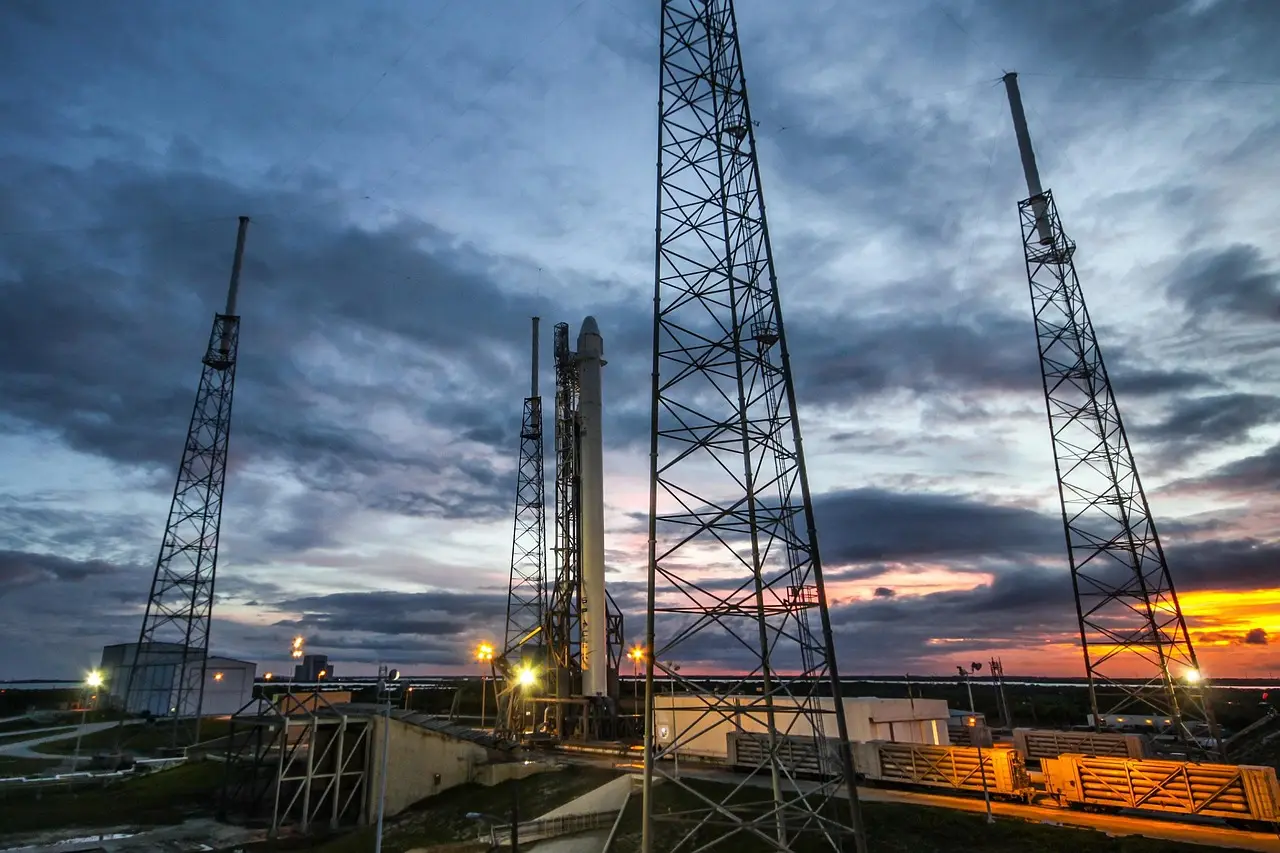
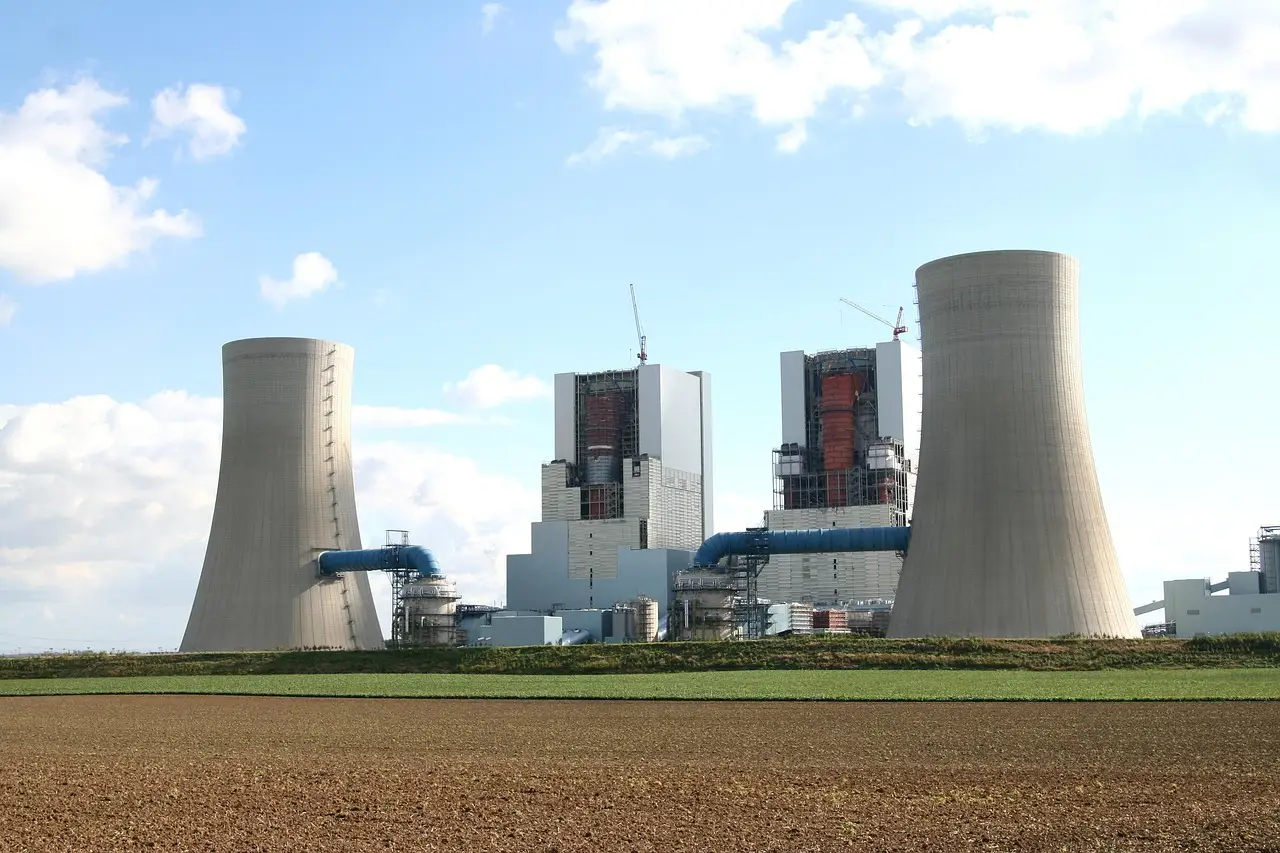
SpaceX has posted notice of a $24 billion gas-fired power plant and supercomputing facility in Starbase, Texas, with a public hearing scheduled and the project slated for approval review in December. The budget covers only what the company calls the "initial phases of the projects" and "could include future expansions," according to its own filing. That sum, spent on a single site, would place the facility among the largest and most expensive data center projects ever proposed.
The site would sit inside the corporate limits of Starbase, a city that mostly occupies land owned by SpaceX and whose residents are largely company employees. The location choice is not sentimental. Until now, xAI and SpaceX-linked ventures have built out the Colossus I and Colossus II data centers near the Mississippi-Tennessee border, and those projects have drawn a lawsuit from area residents seeking to curb pollutants from the fleets of gas turbines that power them. A company town offers a friendlier audience for a gas plant. The arithmetic is straightforward.
What stands between SpaceX and its Texas gigasite?
The state-level picture is less obliging. Bloomberg reports that incoming Texas governor Gina Hinojosa campaigned against approving new data centers until the legislature enacts stronger protections against their potential harms. Her arrival in the governor's office could override the permissive local regulatory climate that Starbase presumably offers. A friendly city council does not outrank an determined governor.
The project appears to serve SpaceX's stated ambition to build 10 gigawatts of compute in 2027 alone. A 10 GW target is, for scale, roughly the output of ten large nuclear reactors devoted to a single company's compute estate. Approval in December would keep that timeline credible; delay would not.
Why is Musk also looking upward?
The terrestrial push is not the whole plan. Musk has laid out a first-generation AI1 compute satellite carrying a 150 kW peak compute payload, and SpaceX has submitted a proposal to the Federal Communications Commission for a 1-million-satellite Orbital Data Center. That orbital route may have gained urgency from politics: data center measures lost heavily in the recent U.S. midterm elections, and Musk responded on X that "data centers in space looking pretty appealing right now."
The read is simple. Where ground-based facilities face lawsuits, governors-elect, and ballot defeats, orbit offers jurisdictional quiet — at a price in launch costs and engineering difficulty that Musk has so far been willing to contemplate rather than pay.
What happens in December?
The public hearing in Starbase is the immediate gate. If approval proceeds and the regulatory climate holds, the $24 billion initial outlay likely grows, given the company's explicit language about future expansions. If Hinojosa moves to freeze data center approvals pending legislative protections, SpaceX's 2027 compute target meets its first serious obstacle — and the orbital data center proposal stops looking like a hobby and starts looking like a hedge.
Source: Tom's Hardware
More from Nathan Brooks
Show full bio
Senior reporter covering people, launches and day-to-day practice in Semiconductors, chip manufacturing, hardware, AI compute at Chip Dispatch.
834 articles
Related articles
spacex-seeks-tax-break-for-24-billion-starbase-project
SpaceX Seeks Tax Break for $24 Billion Starbase Project
spacexs-24b-starbase-power-compute-plan-faces-hearing
SpaceX’s $24B Starbase Power, Compute Plan Faces Hearing
tsmc-weighs-role-in-musk-s-proposed-texas-chip-complex-74f310e0
TSMC Weighs Role in Musk's Proposed Texas Chip Complex
tsmc-weighs-a-second-fabrication-site-in-texas-08d7f01d
TSMC Weighs a Second Fabrication Site in Texas