SpaceX Orders Heterojunction Solar Cell Line From Singulus for Over €60 Million
Singulus disclosed a €60 million-plus HJT cell line for SpaceX's Starmind satellites, with plans to scale beyond 100 GW of equipment and a €22.75 million loan to the German toolmaker.
- By
- Grace Kim
- Filed
- Channel
- Tech Business
- Read
- 3 min read
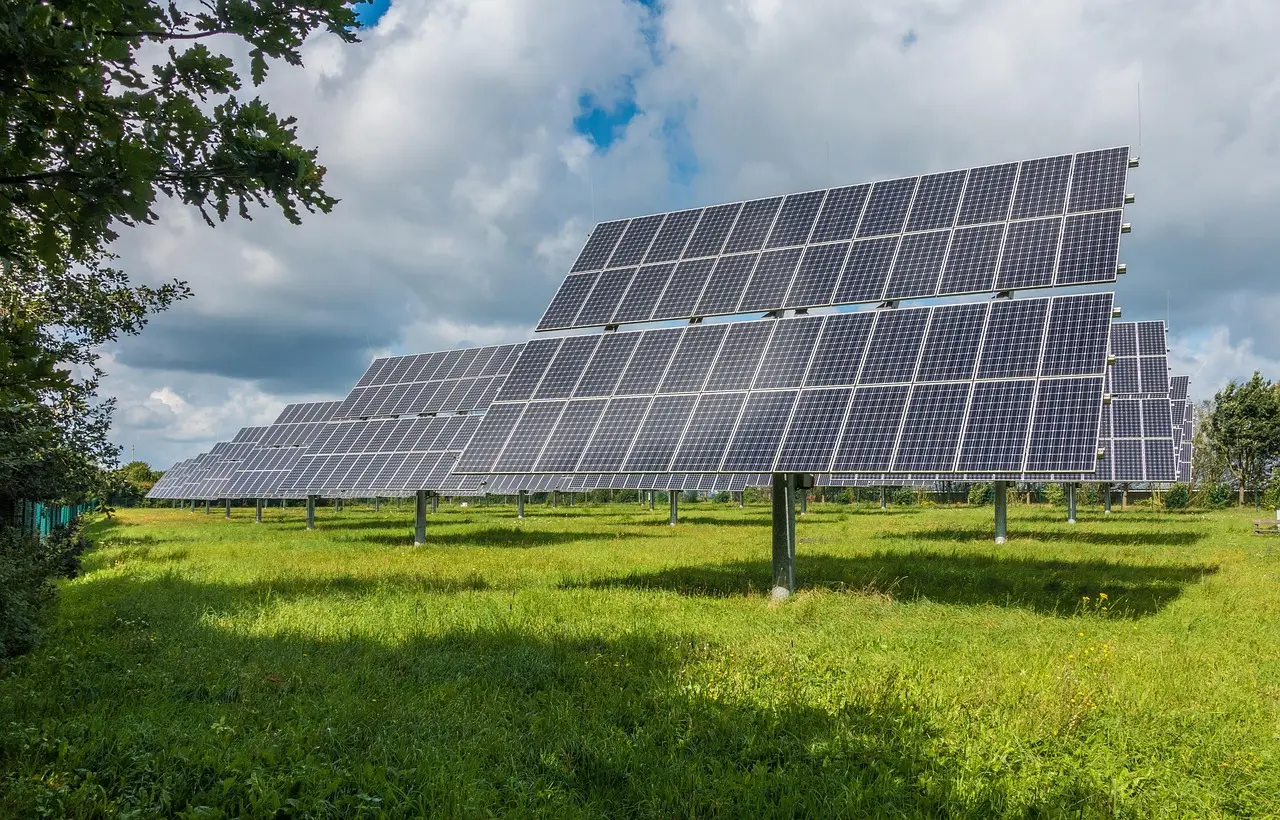
SpaceX has signed a contract worth more than €60 million with Germany's Singulus Technologies for a turnkey production line to make heterojunction solar cells. The line will feed SpaceX's Starmind satellites at the company's plant in Bastrop, Texas. Singulus announced the deal on Nov. 10 and detailed the order volume in its nine-month results the following day. First delivery is due in the first half of 2027.
The contract opens a strategic partnership. Singulus plans to deliver multiple additional lines under it, the company said. Neither party disclosed the capacity of the first line or the target cell efficiency.
What did SpaceX and Singulus actually commit to?
The first line carries an order volume of more than €60 million, Singulus said in its Nov. 11 results. Singulus added that production "will scale to support more than 100 GW of production equipment" as SpaceX accelerates satellite manufacturing in Bastrop. The company did not say whether the 100 GW figure is annual or cumulative, or how many lines it implies.
Elon Musk was less cautious. "SpaceX has ordered 100 GW/year of HJT solar manufacturing equipment from Singulus in Germany," he wrote on X. "This is for Starmind to create a sentient sun."
"Partnering with SINGULUS gives us a high-performance manufacturing path for solar cells for our Starmind satellites at our production facility in Texas," said Mike Nicolls, SpaceX's senior vice president of Starlink.
The scale claim needs context. Musk said in January that SpaceX and Tesla were each working toward 100 GW a year of U.S. solar manufacturing capacity. Other HJT cell projects in Texas are far smaller by comparison. Toyo plans a 1.5 GW factory. SEG Solar plans a 4 GW plant near Houston. Even the smaller reading of the Singulus commitment would dwarf both.
How big is this for Singulus?
The order rivals the toolmaker's entire annual business. Singulus, based in Kahl am Main near Frankfurt, reported revenue of €60.4 million for the first nine months of 2026, up about 36% year on year. Order intake over the same period came to €60.3 million. The company confirmed its full-year revenue forecast of about €83 million.
Singulus will develop both the cells and the equipment that makes them. Executive board member Lars Lieberwirth said the scope combines wet chemistry, vacuum coating and thermal processing.
Why is SpaceX also a lender?
SpaceX began funding Singulus before the contract became public. Singulus said SpaceX provided "significant funding" in March, when the partnership started, and again in October.
On Oct. 21, Singulus took out a subordinated secured loan of roughly €22.75 million from the same technology partner. The company used it to repay all liabilities to Triumph Science and Technology Group. Triumph, a Chinese company, had been Singulus's biggest customer and largest shareholder, holding a stake of about 16.75%. Triumph agreed to sell that stake to a vehicle controlled by Singulus co-founder Roland Lacher.
The financing cuts Singulus's dependence on its Chinese anchor shareholder at the moment it commits production capacity to a U.S. customer. The sequence — debt repaid, stake sold, contract signed — suggests SpaceX underwrote the supplier relationship before placing the volume.
What is Starmind, and why the solar demand?
Starmind is SpaceX's satellite design for running computing payloads on solar power in orbit. Specifications cited by Interesting Engineering give the design a 75-meter wingspan. Payloads draw up to 250 kW at peak. Data returns to the ground over laser links to Starlink.
That power budget explains the HJT choice and the volume. Orbital computing at hundreds of kilowatts per satellite requires cell production at a scale no existing space-solar supplier offers. The Singulus order adds to a broader SpaceX push to build its own supply chain. The company's Terafab venture told Japanese toolmakers it wants 1 million wafers a month from 2032, as Nikkei reported.
The first Bastrop line arrives in the first half of 2027. Whether the 100 GW figure proves annual or cumulative, it sets a benchmark that will shape pricing and capacity plans across the HJT equipment market for years.
Source: mlq.ai
More from Grace Kim
Show full bio
Market editor covering people, launches and day-to-day practice in Semiconductors, chip manufacturing, hardware, AI compute at Chip Dispatch.
854 articles
Related articles
spacex-seeks-40-billion-to-buy-ai-chips-as-default-risk-hits-record-bda8def0
SpaceX Seeks $40 Billion to Buy AI Chips as Default Risk Hits Record
spacex-wages-16-8-billion-campaign-for-chip-independence-4e722ae1
SpaceX Wages $16.8 Billion Campaign for Chip Independence
spacex-pursues-40-billion-financing-for-nvidia-chips-a003332d
SpaceX Pursues $40 Billion Financing for Nvidia Chips
nvidia-ai-chips-to-reach-orbit-aboard-spacex-694b5a75
NVIDIA AI Chips To Reach Orbit Aboard SpaceX In 2026