Semiconductors · 3 min read
TSMC Stock Jumps 17% as Jensen Huang Returns to Lead NVIDIA
TSMC stock rose 17% to $371.62 after NVIDIA's board reinstated Jensen Huang as CEO, lifting Intel 15% and AMD 8% in a sector-wide chip rally.
Key takeaways
- TSMC stock rose 17% to $371.62 on November 23 after NVIDIA reinstated Jensen Huang as CEO.
- NVIDIA shares jumped 35% to $169.27 but still need about 50% to reach their record high.
- Intel rose 15% to $58.94; AMD rose 8% to $460.27 in the chip rally.
- AMD Data Center revenue rose 97% YoY to $8.55 billion in Q3 2026; Intel's Data Center and AI segment grew 78% to $7.32 billion.
- TSMC guides Q4 2026 revenue at $52.30 billion to $54.30 billion.
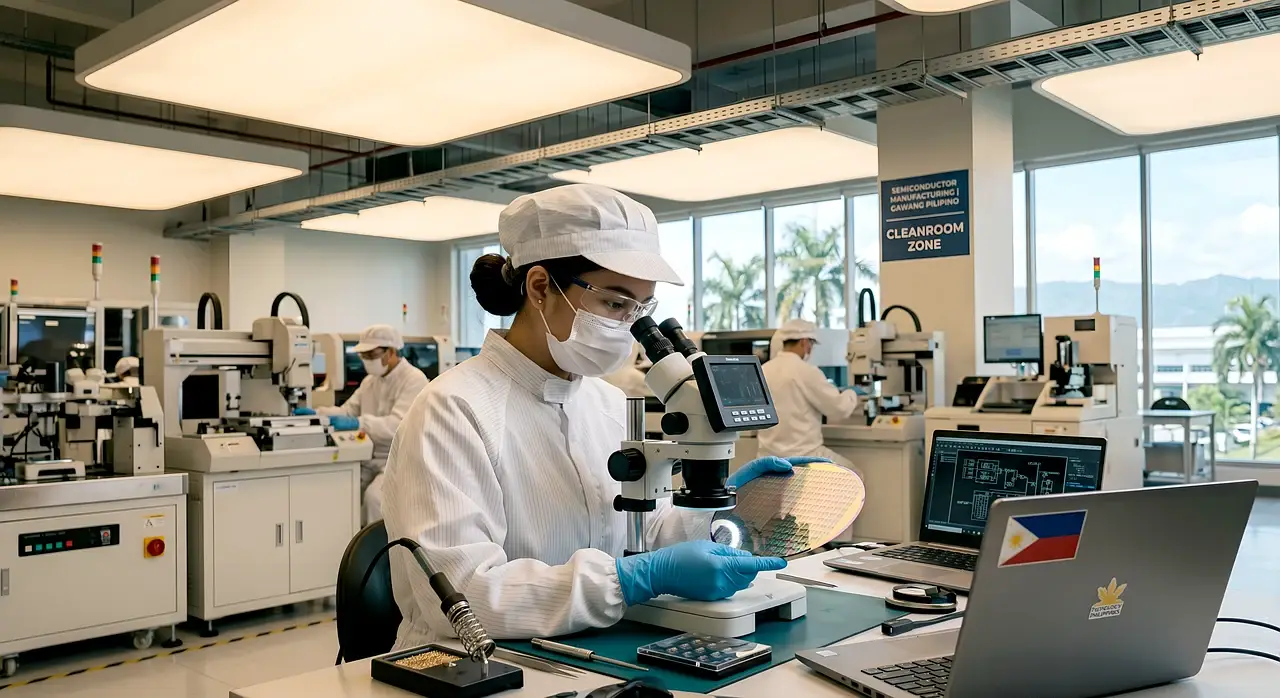
Taiwan Semiconductor Manufacturing (NYSE:TSM) stock traded 17% higher in early dealing on November 23, at $371.62, after NVIDIA's board reinstated founder Jensen Huang as president and CEO. The foundry builds NVIDIA's Blackwell and Vera Rubin chips, and the market read leadership stability at its largest AI customer as good news for its order book.
The move marks a sharp reversal. Chip stocks sold off hard last week, with AI names losing $5 trillion in market value over three weeks as hedge funds turned underweight on the sector for the first time since 2023.
What happened at NVIDIA?
NVIDIA announced on November 23 that Huang would return as president and CEO, effective immediately, after a unanimous board vote. "I can't wait to get back to work," Huang said.
The board said it consulted senior U.S. government officials and concluded his return poses no national security risk. Colette Kress, who ran the company on an interim basis, returns to her role as chief financial officer.
NVIDIA shares traded at $169.27, up 35%. The stock still needs to gain roughly 50% to reclaim its record high.
Why is TSMC the biggest beneficiary?
Taiwan Semiconductor is a pure-play foundry. It designs no chips of its own and manufactures for NVIDIA, AMD and other fabless designers. That ties its results directly to the overall volume of the AI buildout, and a steadier NVIDIA reduces the risk premium on that order book.
The peer group moved in the same direction:
- Intel (NASDAQ:INTC) traded at $58.94, up 15%.
- AMD (NASDAQ:AMD) traded at $460.27, up 8%.
- NVIDIA (NASDAQ:NVDA) traded at $169.27, up 35%.
NVIDIA's latest quarterly release, published while Kress led the company, cited the leadership transition and an ongoing independent board committee investigation as risks. Those disclosures rattled investors and pushed some into rival chip names. Huang's return lifts that drag.
What do Intel and AMD bring to the rally?
Intel operates as an integrated device manufacturer. It designs and builds its own processors and sells foundry services to outside customers. That makes it a direct competitor to Taiwan Semiconductor in leading-edge manufacturing and, for certain products, a customer of the Taiwanese foundry.
Intel is now more tied to AI spending than its PC roots suggest. Its Data Center and AI segment posted revenue of $7.32 billion in Q3 2026, up 78% year over year.
AMD sits at the other end of the chain. The fabless designer relies on third-party foundries, including Taiwan Semiconductor, and competes with NVIDIA in GPUs and with Intel in CPUs. Its smaller 8% advance reflects that position: a steadier NVIDIA confirms AI demand is durable, but it also reinforces the leader that AMD's Instinct MI450 accelerators are chasing. AMD's Data Center revenue rose 97% year over year to $8.55 billion in Q3.
Is the recovery durable?
The rally has not undone last month's damage. Taiwan Semiconductor is down 14% over the past month. Intel has given up 37%, and AMD is down 17%.
Three data points will test the rebound in the coming days. S&P Global's latest PMI reading is due November 23. The Personal Consumption Expenditures inflation report arrives November 25. U.S. markets close November 26 for Thanksgiving.
Optimists point to Taiwan Semiconductor's Q4 2026 revenue guidance of $52.30 billion to $54.30 billion as evidence that AI demand remains strong. Skeptics argue last month's slide was steep and that this week's inflation data could still shift rate expectations. Whether leadership clarity at NVIDIA can turn a relief rally into a lasting recovery in chip stocks is the question the market now has to answer.
247wallst.com (Source)
More from Grace Kim
Show full bio
Market editor covering people, launches and day-to-day practice in Semiconductors, chip manufacturing, hardware, AI compute at Chip Dispatch.
1,254 articles