US Army Flies Hybrid Drone with 3D-Printed Heavy-Fuel Rotary Engine
DEVCOM ARL flew the VICTOR VTOL drone with a 3D-printed JP-8 rotary engine spinning a 400V motor-generator, using air cooling to drop a liquid cooling loop and shrink the propulsion system.
- By
- Sophie Lindqvist
- Filed
- Channel
- Hardware & Components
- Read
- 3 min read
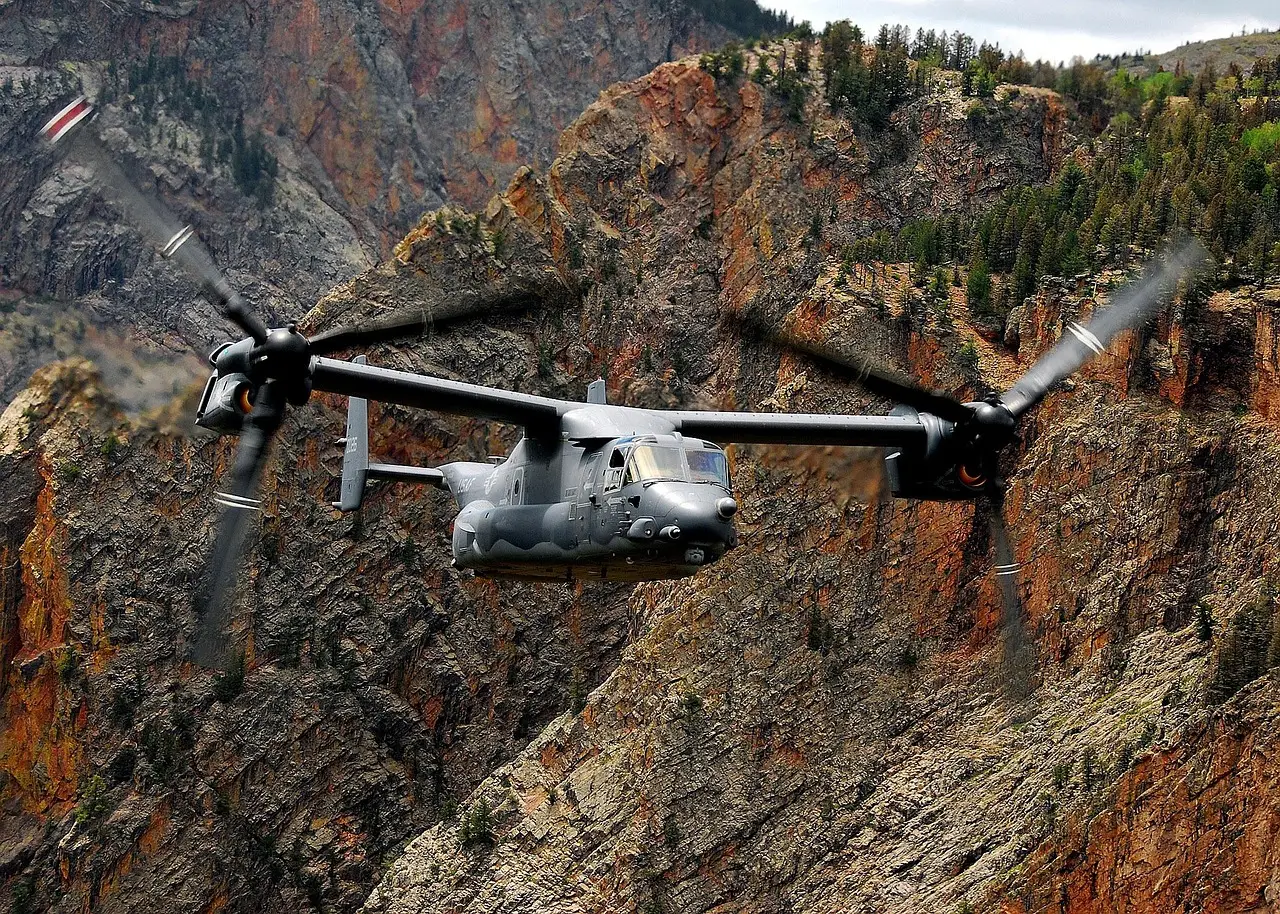
The US Army has flown a hybrid electric drone powered by a 3D-printed heavy-fuel rotary engine driving a 400-volt motor-generator. Researchers at the Army Combat Capabilities Development Command (DEVCOM) Army Research Laboratory (ARL) flew the aircraft, called VICTOR, using metal additive manufacturing to accelerate the engine's development cycle.
The fuel choice carries most of the engineering weight. VICTOR burns JP-8, a kerosene-based fuel denser than regular jet fuel. That density lets the Army cut total fuel load or extend range on the same tank. JP-8 also anchors the military's single-fuel logistics doctrine, which aims to run as much gasoline equipment as possible on one source.
Why is JP-8 hard on engines?
The fuel's properties work against easy combustion. JP-8 is less volatile and harder to atomize than gasoline, so extracting peak efficiency is difficult. Its flash point sits at 140°F, versus -40°F for gasoline. Igniting it demands far higher compression, and pressure leaks become a routine failure mode. The ARL team set out to optimize a heavy-fuel rotary engine that could survive those demands.
Their method was a clean-sheet design supported by computational fluid dynamics. Rather than iterate on an existing engine, the researchers designed from scratch and leaned on 3D metal printing to revise parts quickly between test rounds.
Dr. Kweon, one of the ARL researchers, told Army.mil: "The use of advanced manufacturing, including 3D metal printing, allowed us to rapidly redesign engine components based on lessons learned through experimentation." He added that 3D printing enabled an air-cooled engine, eliminating a bulky liquid cooling system and shrinking the propulsion package. The rapid iteration eventually improved fuel atomization and reduced compression leaks.
How does the drivetrain work?
The rotary engine never touches the propellers mechanically. Instead, it spins a 400-volt motor-generator, and that electricity drives the propeller motors. The arrangement lets the engine run at its most efficient RPM regardless of propeller demand, analogous to series-hybrid passenger cars minus any mechanical link to the driven wheels — or here, the blades. The system may include a battery allowing flight with the engine off. The Army has disclosed almost nothing about that battery configuration, and that silence is itself telling: energy storage details often reveal endurance and payload limits.
VICTOR is a vertical take-off and landing (VTOL) unmanned aircraft. It needs no runway, and the Army has released video of the first flight. The airframe can land and take off in terrain closed to conventional fixed-wing drones. A battery system could extend range substantially on a single fuel-up, and air-cooling removes an entire liquid-loop maintenance burden — a meaningful margin for field operations where servicing is scarce.
What remains unproven?
The Army has confirmed a first flight, not a production program. No endurance figures, payload capacity, power output or timeline have been released. The 400V bus and additive-manufactured engine remain laboratory achievements until the service publishes sustained-flight data. Additively manufactured engine components face qualification hurdles in vibration, thermal cycling and fatigue that a single flight does not address.
What the demonstration does establish is that rapid metal-print iteration can compress heavy-fuel engine development from years to what the ARL team describes as lesson-to-redesign cycles between experiments. If the program publishes endurance numbers next, VICTOR will move from a design exercise toward a credible contender for the Army's single-fuel, run anywhere drone fleet.
Source: Tom's Hardware
More from Sophie Lindqvist
Show full bio
News editor covering money, funding and market shifts around Semiconductors, chip manufacturing, hardware, AI compute at Chip Dispatch.
774 articles
Related articles
air-liquide-puts-170-million-behind-japan-chip-push-d1446167
Air Liquide Puts €170 Million Behind Japan Chip Push
intel-commits-up-to-6-1-billion-to-substrates-as-ai-bottleneck-bites
Intel Commits Up to $6.1 Billion to Substrates as AI Bottleneck Bites
ti-s-res80a-q1-divider-handles-2-000-v-for-ev-sensing
TI's RES80A-Q1 Divider Handles 2,000 V for EV Sensing
microchip-motor-control-kit-manages-up-to-40-bldc-motors
Microchip Motor Control Kit Manages Up to 40 BLDC Motors