US to Curb Chinese Optical Transceivers Despite Big Tech Objections
The Trump administration will proceed with FCC curbs on new Chinese optical transceivers, Reuters reports, despite warnings from Amazon, Google and Microsoft that compliance could take a decade.
- By
- Nathan Brooks
- Filed
- Channel
- Hardware & Components
- Read
- 3 min read
The Trump administration has told industry figures it will proceed with curbs on imports of new models of Chinese optical transceivers, Reuters reported on Tuesday, Nov. 17, citing three people familiar with the matter. The decision comes despite objections from Amazon, Google, Meta, CoreWeave, Cisco and Microsoft, who warned the White House that US firms could need up to a decade to comply.
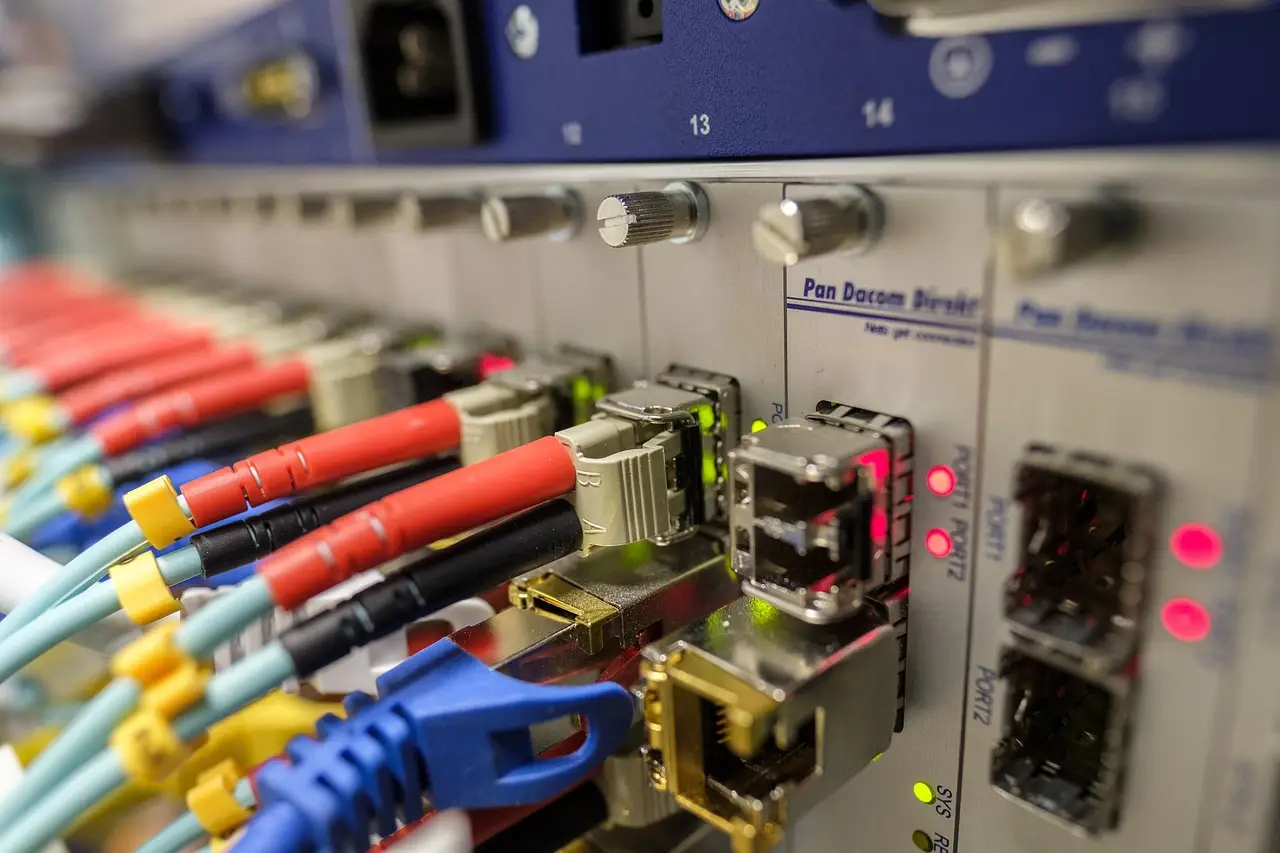
The measure targets the modules that convert electrical signals to light and carry high-speed traffic over fiber-optic cables between servers and switches inside data centers. The Federal Communications Commission has sought to bar imports of new Chinese models, a plan Reuters first reported in August. The restrictions cover new equipment; the reports describe no action against transceivers already installed in US data centers.
What is the FCC's rationale?
The FCC has raised national security concerns that the equipment "could potentially be used to steal data, install malware or disrupt US data center operations," Investing.com reported, summarizing the Reuters account. The reports did not give a date for a final rule or specify which legal mechanism the agency will use.
Over the past year the FCC has taken similar steps against imports of new Chinese drones, robots, power inverters and routers. The transceiver push fits that pattern. It also follows a Commerce Department rule issued on Monday that requires licenses to send advanced AI chips to data centers anywhere that would serve Chinese companies.
Last week Reuters reported that Microsoft was pressing the administration to drop the plan. Tuesday's report shows that lobbying, now joined by five other companies, has not stopped it. The White House, the FCC and the companies involved were not quoted in the reports.
Why did the hyperscalers object?
Executives from the six companies met White House officials earlier this year and made two arguments.
- US firms could need up to a decade to comply with a mandate.
- China could retaliate by banning exports of indium phosphide, the compound semiconductor US companies need to make their own transceivers.
The second warning carries commercial weight. Indium phosphide is the material used to make the lasers and photodetectors in many high-speed transceivers. A Chinese export ban on it would hit the very US producers the transceiver ban is meant to favor, according to the companies' argument reported by Reuters.
Who supplies the market?
Chinese suppliers hold about two-thirds of the global optical transceiver market, according to Counterpoint Research. Eoptolink and Zhongji Innolight are the dominant producers.
A report by the Foundation for American Innovation, cited by Reuters, said US-based Coherent and Lumentum compete with Chinese producers but lack the scale to replace them. That gap sits at the center of the dispute.
Demand for the parts is rising quickly with AI buildouts. Coherent said this month that revenue in its Datacenter and Communications segment rose 79% to $1.95 billion in its fiscal first quarter. Applied Optoelectronics said its data center transceiver sales more than tripled to $155.6 million in the third quarter.
How did investors react?
Shares of US optical companies rose in premarket trading on Tuesday after the report, according to Investing.com, publishing at 7:31 a.m.:
- Coherent: up about 10%
- Applied Optoelectronics: up about 9%
- Lumentum: up about 8%
- Corning: up about 3.5%
The moves came before the regular session and ahead of Nvidia's quarterly results after Tuesday's close.
What happens next?
The FCC has not set a date for a final rule, and the legal mechanism remains unclear. If the curbs hold and China restricts indium phosphide exports in response, US producers would gain protected demand while losing a critical input — a trade Washington has so far chosen to make.
Source: mlq.ai
More from Nathan Brooks
Show full bio
Senior reporter covering people, launches and day-to-day practice in Semiconductors, chip manufacturing, hardware, AI compute at Chip Dispatch.
1,025 articles
Related articles
microsoft-lobbies-against-ban-on-chinese-optical-transceivers
Microsoft Lobbies Against Ban on Chinese Optical Transceivers
fcc-s-foreign-gadget-bans-drones-routers-and-now-roombas
FCC's Foreign Gadget Bans: Drones, Routers, and Now Roombas
microsoft-lobbying-against-fcc-ban-on-chinese-optical-transceivers
Microsoft Lobbying Against FCC Ban on Chinese Optical Transceivers
microsoft-urges-fcc-against-chinese-optical-transceiver-ban
Microsoft urges FCC against Chinese optical transceiver ban