Valve adds CD-ROM support to Steam Frame kernel in 10 minutes
Valve enabled external CD-ROM support in the Steam Frame's Linux kernel in under 10 minutes, one day after a forum request, though a public update remains unconfirmed.
- By
- Rebecca Stone
- Filed
- Channel
- Consumer Tech
- Read
- 4 min read
By Rebecca Stone
One day after a Steam Frame user asked Valve for external CD-ROM drive support, the company patched the headset’s Linux kernel in less than 10 minutes.
The change came in commit b68e4a1, pushed to the deckard-linux-no-oopsies GitHub repository, described as the Linux kernel sources used in SteamOS ARM for the Steam Frame.
What did the user want from the headset?
A Steam Frame user identified as Aiodensghost posted Oct. 18 in the Steam Frame General Discussions forum on Steam Community, seeking a feature that would connect a detachable disc drive to the headset. Their goal was straightforward: watch a movie on the road and install abandonware from 2006 directly on the device.
“I wanted to use my Steam Frame to be able to watch a movie on the road and thought it was no big deal to use the detachable disc drive I had on my computer,” Aiodensghost said.
The setup ran into two distinct barriers. “Turns out that the Frame cannot power the player and even if it could, it lacks the drivers to read a disc,” the user wrote.
For the software installation, the user pointed to an old game still in their possession: “You don’t sell NFS Carbon anymore, and while I have the disc, the Frame isn’t able to read it.”
How did Valve turn the request into code?
Valve developer gaberowe replied a day after the post: “We will look into this. Thanks for alerting us.” The developer then added CD-ROM drive support in under 10 minutes through commit b68e4a1.
The commit did not invent optical-drive handling from scratch. It enabled a feature already available in the Linux kernel, which made the modification comparatively straightforward for anyone prepared to build and install a modified kernel themselves.
That distinction also sets limits on what the repository change proves. It shows Valve has a working modification, but a commit in its GitHub repository does not automatically mean the Steam Frame will support external optical drives in the next software update.
Will the next Steam Frame update include the feature?
Not automatically. Valve still has to include the modified kernel in a public update for the change to reach users without custom software work. Users who cannot wait have another option: build and install the modified kernel themselves, a relatively simple exercise because the underlying Linux feature already exists.
Until that happens, support depends on the user’s willingness to modify the operating system rather than simply attach a drive and begin playing a disc. The original requester, in other words, could go from an unsupported request to a self-built solution before Valve formally ships the change.
The under-10-minute implementation time reduces the technical effort for users willing to build a modified kernel. It does not, by itself, establish a timetable for an official Steam Frame release or change the headset’s external-accessory design. No release date was given.
What can an external drive actually do?
The Steam Frame is primarily a streaming device, but it can also run games standalone. With the kernel change enabled, a user could connect an external CD-ROM drive and let the headset read the disc directly, rather than using another device to stream the disc’s contents to the headset.
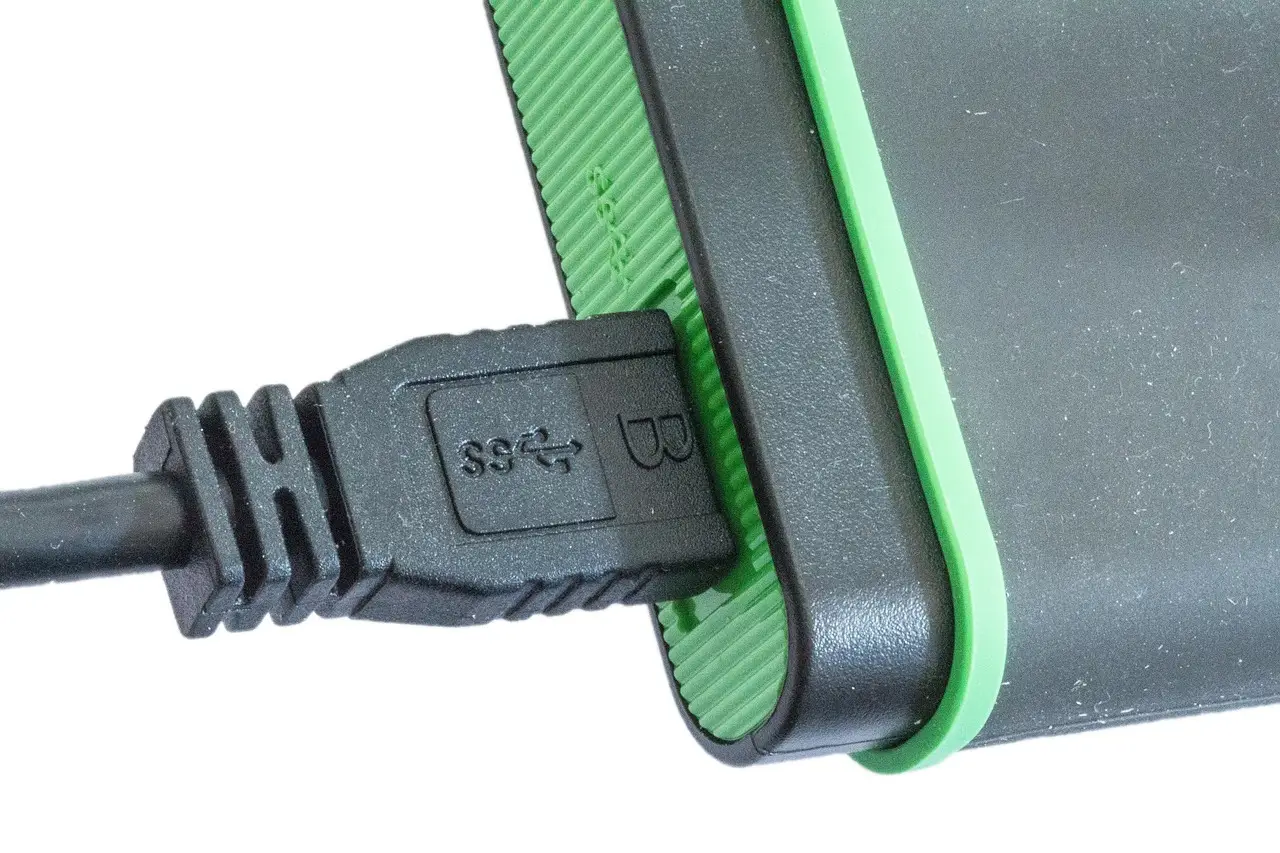
The hardware constraints remain visible in use. The Frame cannot power an optical player, and the setup can require a long cable between the drive and headset. If the cable is not long enough, the user may have to hold the external optical drive on their head.
That is an awkward picture, but it makes the software capability’s boundary plain. The commit addresses driver support inside SteamOS ARM; it does not supply the missing power or reshape the physical arrangement.
What does the response show?
The sequence was fast and compact: forum post on Oct. 18, developer response one day later, kernel modification in under 10 minutes. For a user with a disc already in hand, that moved the obstacle from “the headset cannot read this” to “will the software ship, and can I live with the cable?”
The episode shows Valve developers taking a gamers’ request seriously, at least in this case.
The practical question now is distribution. Valve has put the enabling change in its repository, but users at large will receive it only if a later Steam Frame update carries the modified kernel. Until then, CD-ROM support remains chiefly a matter for technically capable owners willing to install the change themselves.
How quickly Valve ships the commit, and whether the physical drive-and-cable arrangement proves usable beyond the requester’s setup, will determine whether a sub-10-minute fix becomes an everyday Steam Frame feature or remains largely a developer option.
Source: Tom's Hardware
More from Rebecca Stone
Show full bio
Correspondent covering technology and product news in Semiconductors, chip manufacturing, hardware, AI compute at Chip Dispatch.
726 articles
Related articles
researcher-claims-partial-switch-2-jailbreak-via-smilebasic-flaw
Researcher Claims Partial Switch 2 Jailbreak Via SmileBasic Flaw
nvidia-returns-to-arm-windows-pcs-with-rtx-spark-on-friday-2c1a5cfb
Nvidia Returns to Arm Windows PCs With RTX Spark on Friday
sandisk-lands-exclusive-nand-supply-deal-for-meta-vr-glasses-e007a7d5
Sandisk Lands Exclusive NAND Supply Deal for Meta VR Glasses