Tech BusinessLOT 261119 · 3 min read
White House Touts $17 Billion in Southeast Asia Deals, Led by $12 Billion Boeing Sale
Trump's Manila visit produced a finalized $12 billion Boeing-GE sale to Philippine Airlines and a string of deals worth over $17 billion — but several remain offers, intentions or negotiations, not orders.
Key takeaways
- Boeing and GE Aerospace finalized a $12 billion sale to Philippine Airlines for up to 20 Boeing 787s with GE engines
- White House fact sheet dated Nov. 18 lists more than $17 billion in deals supporting tens of thousands of US jobs
- Several items are not firm: Sila's Panasonic deal is 'up to' $1 billion and Latitude Energy's $2 billion Indonesia project is still in negotiation
- US and Philippines will pursue a Foreign Military Financing loan package of more than $2 billion
- Trump announced the substantial conclusion of a Thailand trade deal eliminating tariffs on 99% of goods once signed
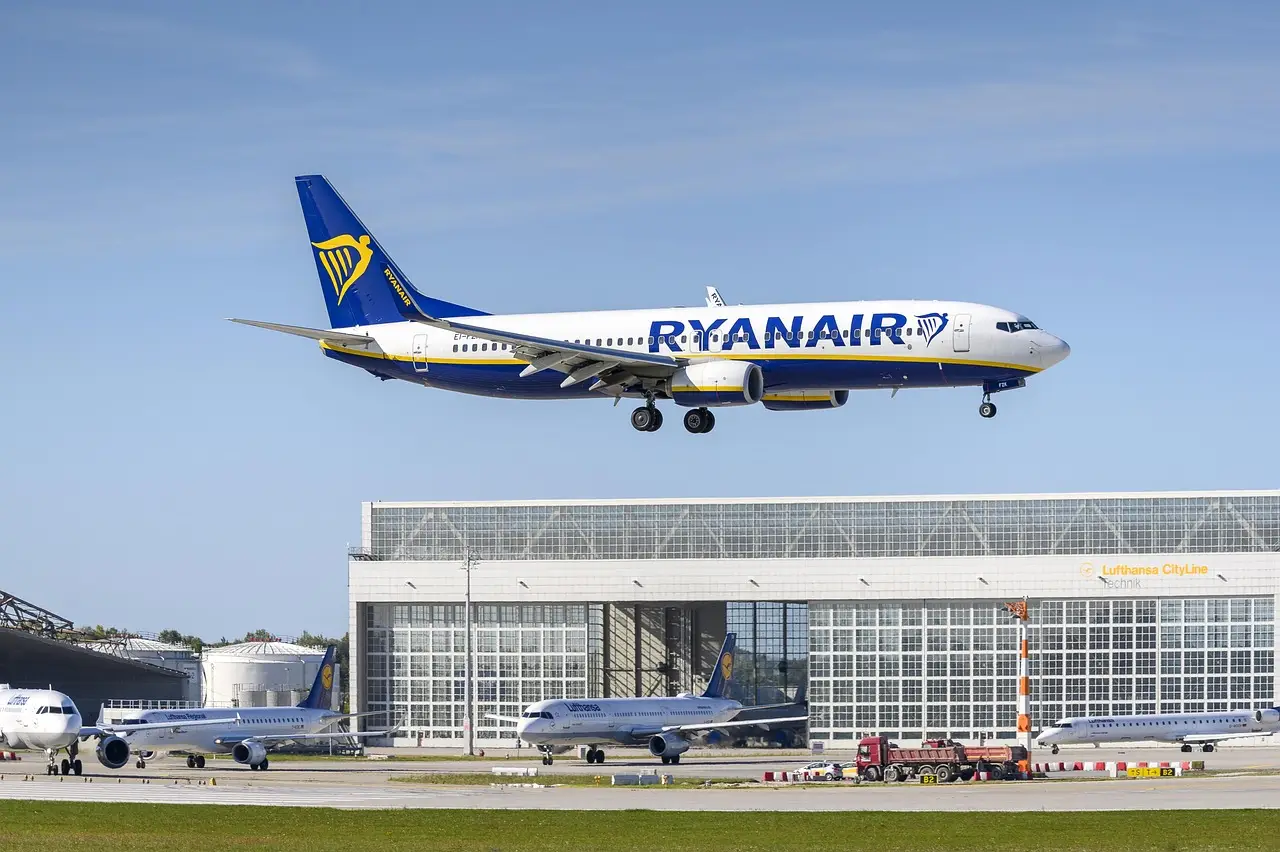
The White House has listed more than $17 billion in commercial deals and strategic investments for US companies from President Trump's two-day state visit to the Philippines and the ASEAN summit, with a finalized $12 billion Boeing and GE Aerospace sale to Philippine Airlines leading the pack. The fact sheet, dated Wednesday, Nov. 18, says the deals will support tens of thousands of American jobs.
The headline item is firm. Boeing and GE Aerospace finalized the $12 billion sale to Philippine Airlines covering up to 20 Boeing 787s equipped with GE engines — the airline firmed up the order earlier in the week. Trump said Tuesday he had sealed the biggest US trade deal with the Philippines, and the fact sheet says both leaders committed to eliminating the US trade deficit with the Philippines through more Philippine imports of US energy and farm products. No amounts were given for that commitment.
Beyond the jets, the picture gets fuzzier. Several listed items are not firm orders, and the White House's own language marks the difference.
What is firm and what is not?
| Item | Country | Value | Status |
|---|---|---|---|
| Boeing 787s, GE engines | Philippines | $12B | Finalized |
| FMF loan package | Philippines | Over $2B | To pursue |
| Latitude Energy coal project | Indonesia | $2B | Negotiating |
| Sila anodes for Panasonic | Not stated | Up to $1B | Signed |
| Vertiv Rimba data center | Brunei | Nearly $1B | Intended award |
| US FMF for Philippine military | Philippines | $400M | US funding |
| Astranis satellite service | Philippines | Up to $200M | Offer |
| HIMARS purchase | Thailand | Up to $123M | Intended |
| NTEC coal supply | Malaysia | $100M | Signed |
The gaps matter. Sila's deal with Panasonic is worth "up to" $1 billion. Latitude Energy's $2 billion Indonesia project is still in negotiation. Brunei "intends" to award Vertiv a data center tender worth nearly $1 billion. Those are ceilings and intentions, not booked revenue.
Defense and security spending
The US and the Philippines will pursue a Foreign Military Financing loan package worth more than $2 billion, and the US will use $400 million of FMF for the Philippine military. Smaller defense-related items include a $37 million Philippine defense contract with an unnamed US firm, a $63 million Philippine defense cloud initiative, and a $40 million fuel depot that Subic Grain will build at Subic Bay. Thailand, for its part, intends to purchase HIMARS rocket systems for up to $123 million.
Energy and technology deals
On energy, the Navajo Transitional Energy Company signed a three-year agreement to supply coal from its southern Montana mine to the fuel arm of Malaysia's utility Tenaga Nasional, worth $100 million. Astranis offered satellite service to the Philippines worth up to $200 million.
The technology items carry geopolitical weight. The White House said a US consortium will build a sovereign AI cloud for Malaysia's government under its export program for what the administration calls super intelligence technology. The Philippines and the US will also explore a civil nuclear agreement, which the White House called the first with an Indo-Pacific partner.
Trump went on from Manila to the APEC summit in Shenzhen, where he told leaders the US opposes any "globalist regulation" of superintelligence — a line that frames the AI cloud and nuclear items as part of a broader push to anchor US technology standards across the region.
On trade, the White House said Trump announced the substantial conclusion of a deal with Thailand that, once signed, will eliminate tariffs on 99% of goods.
Whether the non-finalized items convert into contracts will determine how much of the $17 billion figure holds — and how quickly the tens of thousands of promised American jobs actually materialize.
mlq.ai (Source)
More from Rebecca Stone
Show full bio
Correspondent covering technology and product news in Semiconductors, chip manufacturing, hardware, AI compute at Chip Dispatch.
1,170 articles