Chips & PolicyLOT 261119 · 4 min read
Xi and Trump open third meeting in Shenzhen with AI chips at stake
Xi and Trump opened a third in-person meeting in Shenzhen, with no outcome announced before filing on AI-chip curbs, critical-mineral controls, tariffs or the Jan. 10 truce deadline.
Key takeaways
- Nov. 19 was the leaders’ third in-person meeting of the year, following Beijing in May and Washington in September.
- The extended trade truce was due to expire on Jan. 10.
- Neither government had published a readout or announced a deal by 2:40 p.m. Shenzhen time.
- U.S. advanced-AI-chip restrictions and Chinese critical-mineral export controls remained unresolved.
- A first Xi-Trump-Putin three-way meeting was scheduled for later Nov. 19 following a brief Trump-Putin encounter.
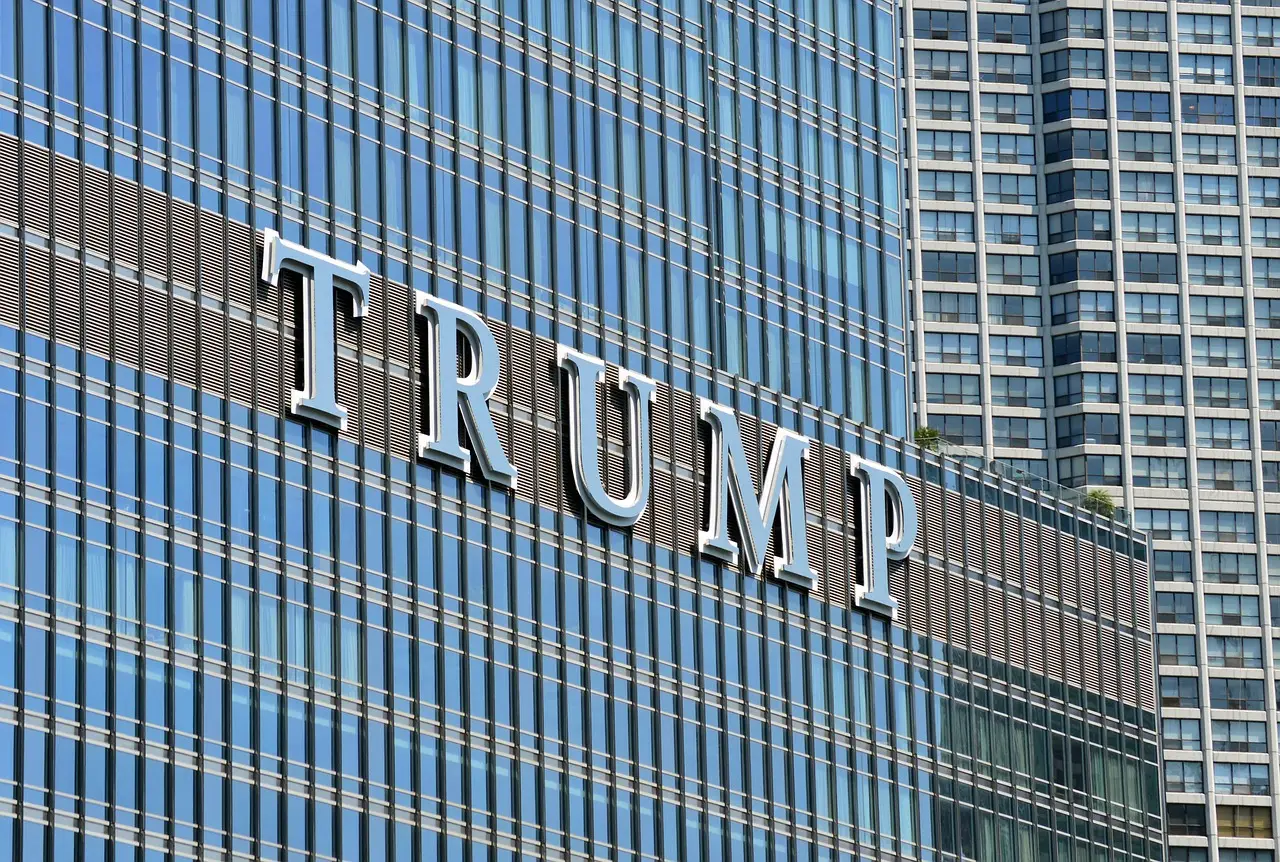
At Kylin Villa in Shenzhen on Thursday, Nov. 19, Xi Jinping and Donald Trump began their third in-person meeting of the year with a Jan. 10 trade-truce deadline and unresolved controls on advanced AI chips and critical minerals in play.
The state-owned lakeside resort, known in Mandarin as Qilin Shanzhuang, sits in the city’s northwest hills; the session accompanied the Asia-Pacific Economic Cooperation summit.
What did the leaders say at Kylin Villa?
Chinese media reported that the session began shortly after 1:30 p.m. Shenzhen time, or 12:30 a.m. ET. At about 2:40 p.m. Shenzhen time, or 1:40 a.m. ET, neither Beijing nor Washington had published a readout; CNA supplied the opening remarks.
Only opening remarks were on record.
According to CNA, Trump expected a productive meeting, called Xi his friend and described their relationship as special. He said the Board of Trade the leaders agreed at their May Beijing summit to form had brought greater balance to a relationship he viewed as lopsided.
On tariffs, he said: “We have split up the tariffs and cut it in a very fair way.”
Xi said relations were stable and improving and that he was willing to work with Trump to keep ties on what he called the correct course. He said: “We have established a new definition of a constructive China-US relationship of strategic stability, giving it new substance based on respect, fairness and reciprocity.”
The Chinese foreign ministry’s Nov. 18 account of Xi’s airport welcome repeated the respect, fairness and reciprocity formula. It said Xi looked forward to in-depth exchanges on China-U.S. relations, Asia-Pacific cooperation and the global landscape, and that Trump called Xi a great leader and expected the visit to achieve full success.
CNA reported that Trump praised an incredibly warm welcome.
Thursday’s session was their third in-person meeting of the year, after talks in Beijing in May and Xi’s state visit to Washington in September.
Xi personally greeted Trump on Wednesday, Nov. 18, at Shenzhen Bao’an International Airport. A three-service honor guard and fighter jets flew overhead, according to the Chinese foreign ministry. CNA reported that the airport greeting marked the first time Xi had welcomed a visiting foreign leader there since becoming president in 2013.
Place cards at the table named Secretary of State Marco Rubio, Commerce Secretary Howard Lutnick, Treasury Secretary Scott Bessent and U.S. Trade Representative Jamieson Greer, based on CCTV footage described by Taiwan’s Central News Agency and cited by CNA.
What remained unresolved for chipmakers and suppliers?
U.S. restrictions on China’s access to advanced AI chips and Beijing’s controls on exports of critical minerals remained unresolved, CNA reported. The trade truce had been extended several times and was due to expire Jan. 10, putting chip access, mineral exports and tariff terms on a near-term commercial clock.
Xi used his APEC speech that week to pledge lower tariffs and wider market access for foreign manufacturers. Trump said he may have raised Nvidia co-founder Jensen Huang’s situation only briefly with Xi.
At filing, neither government had announced an outcome on:
- Advanced-chip access or restrictions;
- Rare-earth and other critical-mineral exports;
- Tariffs or the Jan. 10 truce deadline;
- Soybean purchases; or
- Aircraft orders.
The Chinese foreign ministry’s English site carried Xi’s APEC remarks and the Nov. 18 airport account, while the White House statements page had no item on the talks. Beijing usually publishes a leaders’ readout through Xinhua and the foreign ministry within hours, while trade terms would normally come from China’s commerce ministry or the White House.
What comes after the bilateral meeting?
Earlier Thursday, Trump met Russian President Vladimir Putin on the APEC sidelines without giving details of what they discussed, CNA reported. RFE/RL described the Nov. 19 encounter as a brief, unscheduled face-to-face meeting that fell short of a formal bilateral meeting; neither the White House nor the Kremlin had published an account.
Xi, Trump and Putin were due later Thursday to hold the first three-way meeting of its kind, expected to focus on nuclear arms control and the wars in Ukraine and Iran. China’s foreign ministry announced the session on Nov. 16.
For chipmakers and industrial buyers, the current tariff schedule, U.S. AI-chip restrictions and Chinese mineral-export controls remain the commercial baseline; any extension or change before Jan. 10 could alter access, sourcing costs and pricing.
mlq.ai (Source)
More from Rebecca Stone
Show full bio
Correspondent covering technology and product news in Semiconductors, chip manufacturing, hardware, AI compute at Chip Dispatch.
1,147 articles