Xi Pledges Tariff Cuts and Full Manufacturing Access for Foreign Firms at APEC
Xi Jinping told the APEC CEO Summit in Shenzhen that China will cut tariffs and grant foreign firms "full manufacturing access," ahead of Thursday talks with Trump and Putin.
- By
- Grace Kim
- Filed
- Channel
- Chips & Policy
- Read
- 3 min read
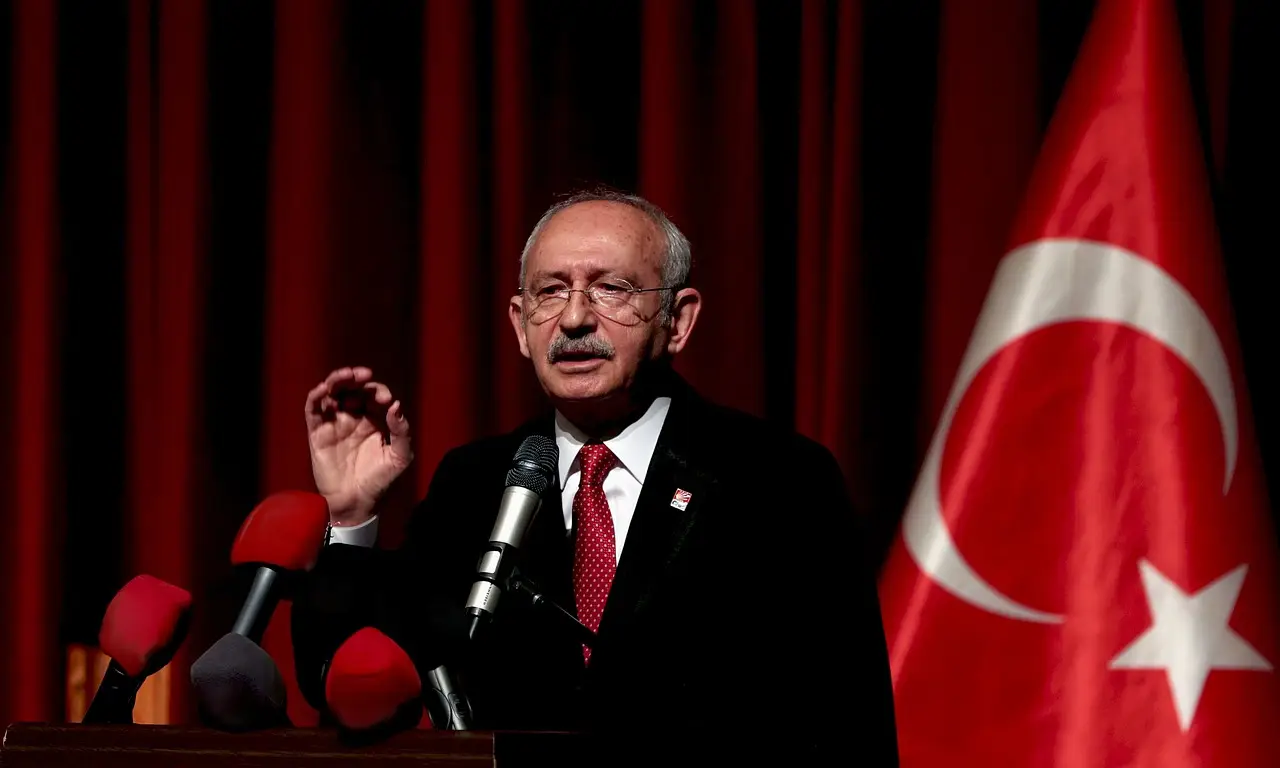
Chinese President Xi Jinping told foreign executives in Shenzhen on Wednesday, Nov. 18, that China will cut tariffs, widen market access and rewrite its rules to give foreign companies "full manufacturing access."
The pledge came in a keynote speech opening the Asia-Pacific Economic Cooperation (APEC) CEO Summit. Xi offered no tariff rates, no sector list and no timeline. He framed the commitment as going beyond conventional opening measures.
"China will not only cut tariffs and expand market access, but also go a step further," Xi said, according to CNBC. The remark is the strongest signal yet that Beijing intends to loosen long-standing restrictions on foreign-owned manufacturing operations inside China, though the mechanics remain undefined.
What did Xi actually promise?
Three commitments anchored the speech.
- Tariff reductions, with rates and dates unspecified.
- Expanded market access for foreign businesses.
- Rule reforms to deliver what Xi called "full manufacturing access."
Xi also issued a broader call to remove trade and investment barriers across the Asia-Pacific region. He did not say which rules would change, which tariffs would fall or when any measures would take effect.
For semiconductor and electronics supply chains, the phrase "full manufacturing access" carries weight. Foreign chipmakers, equipment vendors and auto suppliers have operated in China for decades under joint-venture requirements, technology-transfer pressures and equity caps that vary by sector. Xi's wording suggests a push to ease those constraints, but the absence of a published text limits what can be confirmed. Xinhua confirmed the speech took place but had not released the full transcript when this report was prepared.
What did Xi say about the trading system?
The Chinese president pressed APEC economies to defend the existing institutional order.
"We must firmly uphold the rules-based multilateral trading system with the World Trade Organization at its core, support free and open trade and investment, maintain the stability and smooth operation of global industrial and supply chains," Xi told the business audience.
That statement doubles as a message to Washington. It positions China as the defender of WTO-centered trade just as the United States tightens controls on Chinese access to advanced technology.
Why does the surplus argument matter?
Western trading partners have criticized China for annual trade surpluses exceeding $1 trillion. They attribute the imbalance to policies that favor manufacturers over consumers. Beijing counters that its growth model suits an economy still catching up with the richest nations.
The dispute frames Thursday's summitry. Xi met Canadian Prime Minister Mark Carney in Shenzhen on Tuesday, and the two sides agreed to further tariff cuts between their countries.
What hangs over the Trump and Putin meetings?
The speech landed in a charged week. Washington had announced fresh restrictions on China's access to advanced AI chips from suppliers such as Nvidia, and Beijing has pledged to counter those measures.
Russian President Vladimir Putin arrived in Shenzhen overnight. President Donald Trump was due later on Wednesday following meetings in Manila. The three leaders hold talks Thursday covering the Iran and Ukraine wars, with trade, artificial intelligence and nuclear weapons also on the agenda.
A January truce deadline looms over the trade file between Washington and Beijing. Tariffs, chip export controls and market access all sit on that table.
What should supply chain watchers track next?
For electronics manufacturers, the test of Xi's pledge will be administrative, not rhetorical. Full manufacturing access would mean amended negative lists for foreign investment, revised joint-venture rules and published tariff schedules. None of those documents accompanied the Shenzhen speech.
The timing still matters. By pairing tariff cuts with manufacturing liberalization before sitting down with Trump, Beijing has signaled flexibility on commercial terms while holding firm on the WTO framework. Whether that translates into sector-specific openings for chip, auto and equipment makers should become clearer after Thursday's talks and the release of the full speech text.
Source: mlq.ai
More from Grace Kim
Show full bio
Market editor covering people, launches and day-to-day practice in Semiconductors, chip manufacturing, hardware, AI compute at Chip Dispatch.
1,100 articles
Related articles
china-hits-us-firms-with-export-controls-before-xi-s-washington-visit-1d66d3cb
China Hits US Firms With Export Controls Before Xi's Washington Visit
chip-export-controls-sidestepped-at-xi-trump-summit-25da2c9d
Chip Export Controls Sidestepped at Xi-Trump Summit
us-and-china-pursue-60-billion-tariff-relief-semiconductors-excluded-be98478c
US and China Pursue $60 Billion Tariff Relief; Semiconductors Excluded
us-china-trade-council-weighs-60-billion-tariff-proposal
US-China Trade Council Weighs $60 Billion Tariff Proposal