AI & Compute · 5 min read
75 MW commissioned: Applied Digital opens 25 MW North Dakota hall
Applied Digital commissioned 75 MW at Polaris Forge 2, began service in a 25 MW data hall and fully leased its 150 MW building, but a $221 million loss clouds the expansion.
Key takeaways
- Applied Digital commissioned the first 75 MW at Polaris Forge 2 and opened a 25 MW data hall.
- The 150 MW building is fully leased under a customer’s 200 MW long-term agreement.
- Fiscal Q1 2027 interest expense reached approximately $77.4 million.
- The loss from continuing operations widened to approximately $221 million.
- The proposed long uses a $9.35 entry, $6.61 stop and $16.07/$18.90 targets.
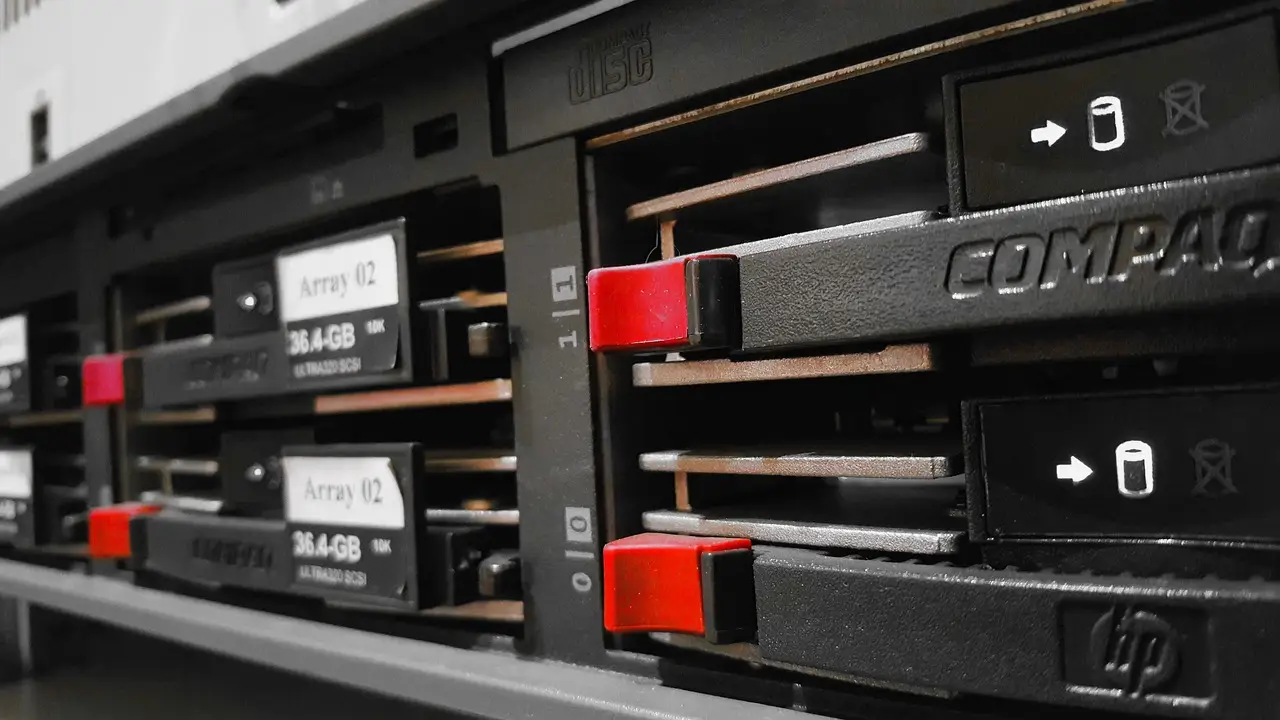
Applied Digital commissioned the first 75 MW of infrastructure at its Polaris Forge 2 data-center campus in North Dakota and opened the initial 25 MW data hall for service. The remaining 50 MW can now proceed toward customer delivery, and the 150 MW building is fully leased under a customer’s 200 MW long-term agreement.
Applied Digital (NASDAQ: APLD) positions itself as a provider of physical infrastructure for high-performance computing and AI workloads. Its data centers provide the physical facilities required for demanding compute applications.
Why does North Dakota matter for AI capacity?
AI data centers require enormous amounts of electricity, cooling capacity and specialized infrastructure. Access to reliable, affordable electricity has become one of the biggest challenges for AI infrastructure developers, which makes Applied Digital’s North Dakota campuses strategically relevant.
The operating milestone adds delivery capacity, but new infrastructure takes time to become fully operational and generate revenue. Construction and expansion also require substantial capital.
Takeaway: Polaris Forge 2 gives Applied Digital measurable capacity, but power availability alone does not resolve its financing risk.
Why has the stock not followed capacity?
Applied Digital reported approximately $77.4 million of interest expense in its fiscal first-quarter 2027 results, representing a substantial increase year over year. The company also reported that its loss from continuing operations widened to approximately $221 million.
Higher operating expenses, stock-based compensation, financing costs and fair-value adjustments added to the pressure, even as revenue grew. Investors now have to weigh that growth against the company’s ability to convert new capacity into sustainable profits.
Large data-center construction programs require substantial capital, and Applied Digital’s spending has increased its financing requirements. Higher financing costs pressure profitability because new infrastructure takes time to become fully operational and generate revenue. Equity financing could dilute existing shareholders, while more borrowing would increase interest obligations.
TradingView contributor thenry001 framed the central issue: “The important question is whether its growing operational capacity can eventually translate into stronger financial performance.”
Takeaway: Capacity growth does not remove the need to prove that expansion is profitable and financeable.
Can AI demand offset the balance-sheet strain?
The demand case for AI infrastructure remains intact because computing deployments continue to require more power, cooling and specialized facilities. Companies able to deliver those resources can benefit from the expansion of AI computing, and Applied Digital continues to add operating capacity.
Operational progress and shareholder returns remain separate tests. Applied Digital must demonstrate that its investments can produce sustainable financial results rather than merely add megawatts and debt obligations.
Takeaway: AI demand can support utilization, but it cannot by itself resolve losses, financing costs or potential dilution.
What does the proposed trade require?
APLD remains in a pronounced downtrend, with sellers pressing the broader price structure. The author requires a stronger support base before treating a reversal as confirmed and identifies $9.35 as the major area of interest.
The proposed long setup uses four levels:
- Entry: $9.35
- Stop loss: $6.61
- Take profit 1: $16.07
- Take profit 2: $18.90
The first target assumes buying pressure remains strong during a recovery; continued strength opens the path to $18.90. From the proposed entry, the setup carries the following stated risk calculations:
- Downside to the stop loss: approximately 29.3%
- Upside to take profit 1: approximately 71.9%
- Upside to take profit 2: approximately 102.1%
- Risk-to-reward ratio: 1:2.45 at take profit 1 and 1:3.49 at take profit 2
These calculations use the stated levels and exclude trading fees, funding costs and slippage.
The author makes support confirmation a condition: “I want to see a convincing reaction around $9.35 rather than blindly buying simply because price reaches the level.” A sustained breakdown below support would weaken the setup, while a move toward the $6.61 stop would invalidate the trade idea.
Takeaway: The proposed recovery depends on a confirmed defense of $9.35, not on price reaching that level alone.
How do Bitget’s two APLD products differ?
Bitget makes APLD accessible through two instruments with different ownership rights and risks.
The spot product, rAPLD/USDT, is a tokenized Applied Digital stock issued by Reality. It is backed by underlying Applied Digital shares and provides economic exposure to the stock, but holding it does not make the holder a directly registered shareholder or provide shareholder voting rights.
The APLDUSDT perpetual futures contract is a separate derivatives instrument that lets traders speculate on Applied Digital’s price movements. It represents no ownership of Applied Digital shares, and futures trading adds leverage, liquidation and funding-cost risks. Both products carry risks.
Takeaway: Economic exposure to a share is not the same legal position as owning the share itself.
What must happen next?
Applied Digital has delivered a concrete operating milestone: 75 MW commissioned at Polaris Forge 2, including a 25 MW hall in service, with another 50 MW moving toward delivery. The balance sheet offers a less favorable set of facts, including $77.4 million of quarterly interest expense, a $221 million loss and possible shareholder dilution.
The author presents the trading levels as a personal technical and fundamental setup, not financial advice, and does not guarantee an outcome.
Takeaway: The next test is whether the remaining 50 MW can reach customer delivery and lift earnings fast enough to absorb the company’s $77.4 million quarterly interest burden.
tradingview.com (Source)
More from Tom Whitfield
Show full bio
Staff writer covering companies, deals and strategy in Semiconductors, chip manufacturing, hardware, AI compute at Chip Dispatch.
1,323 articles