AI & Compute · 3 min read
AI demand doubles China's electronics profits, lifting industrial earnings 20.1% in October
China's industrial profits jumped 20.1% in October, the fastest since May, as AI demand doubled electronics-sector earnings to 1.13 trillion yuan and lifted margins to 5.69%.
Key takeaways
- October industrial profits rose 20.1% year on year, fastest since May, NBS said Nov. 27.
- Electronics profits rose 100.9% to 1,125.30 billion yuan in Jan-Oct, adding 9.7 points to overall growth.
- Jan-Oct industrial profit totaled 6,737.36 billion yuan, up 16.0%, on revenue of 118.41 trillion yuan.
- Carmaker profits fell 26.0%; foreign-invested firms grew just 0.2%.
- Accounts receivable rose 10.5% to 30.45 trillion yuan; inventories rose 12.0%.
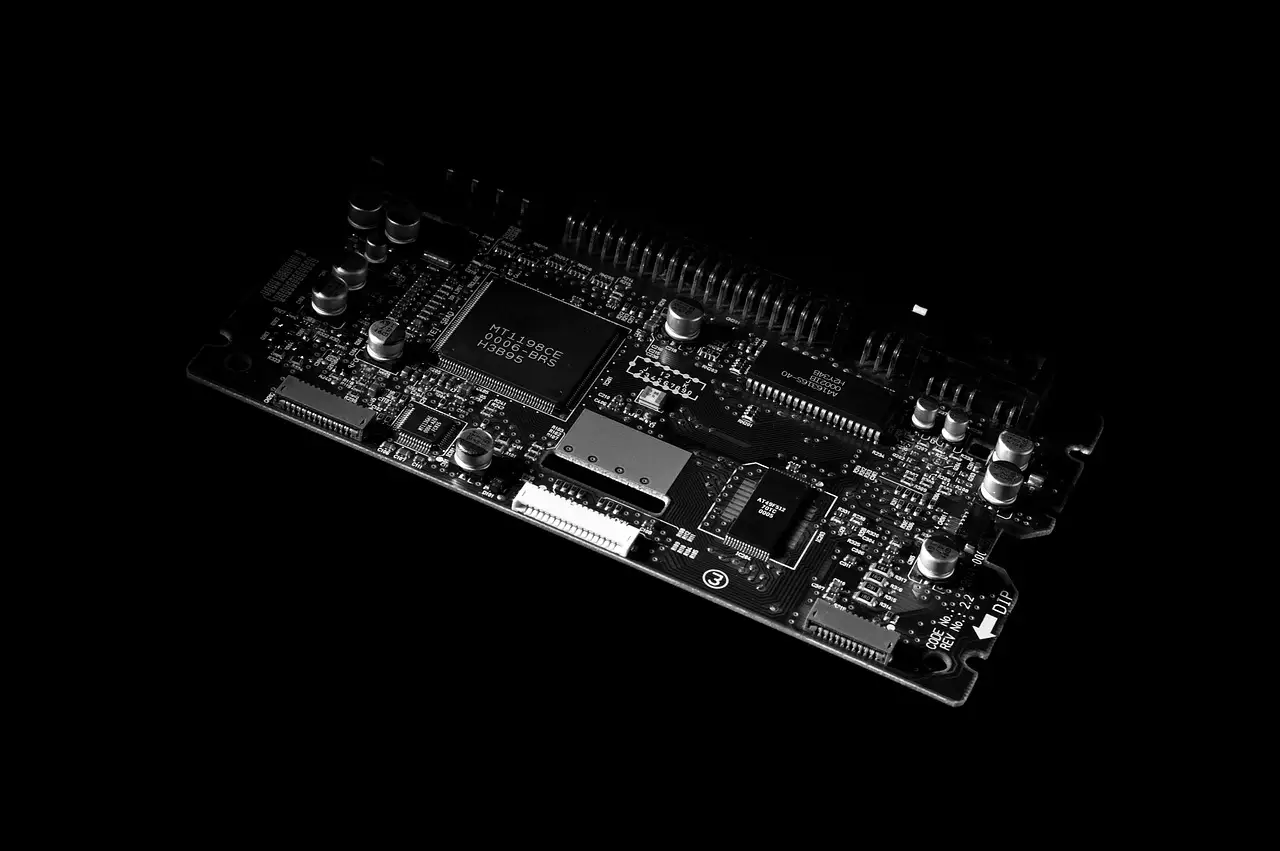
Profits at China's large industrial companies rose 20.1% year on year in October, the National Bureau of Statistics said on Nov. 27, the fastest monthly pace since May and 5.7 percentage points faster than September's growth. The surge traces straight back to the chip business: NBS chief statistician Yu Weining said rising demand for AI computing power drove profit growth in memory chips and related manufacturing.
For January through October, industrial firms with annual main business revenue of at least 20 million yuan booked 6,737.36 billion yuan in profit, up 16.0% on a comparable basis, accelerating from 15.5% through September. Revenue rose 6.7% to 118.41 trillion yuan while costs climbed 6.2%, pushing the profit margin on revenue up 0.45 percentage points to 5.69%.
Where the AI windfall landed
The computer, communications and electronics sector doubled its money. Profits rose 100.9% to 1,125.30 billion yuan for the first ten months — the largest profit pool of any manufacturing industry in the NBS table — and contributed 9.7 percentage points of the 16.0% overall increase.
Within it, the gains were even steeper:
- Whole-computer makers: profits up 410%, per Yu
- Electronic special materials makers: up 220%
- Optical fibre manufacturing: up 670%, lifted by construction of large AI computing centres
- Fibre-optic cable makers: up 150%
- Spacecraft and launch vehicle makers: up 63.2%
High-tech manufacturing profits rose 50.9%, running 34.9 points ahead of industry overall.
What carried the rest of the economy?
Commodity producers rode the same wave. Yu said demand for copper and aluminium from new energy and AI pushed prices up, lifting non-ferrous smelting profits 71.7% and non-ferrous mining 60.2% — together worth 4.6 percentage points of overall growth. Coal mining gained 61.4%, chemicals 50.3%, and oil refining swung to a 106.67 billion yuan profit from a year-earlier loss.
The losers sat downstream and in old economy sectors. Carmaker profits fell 26.0%, non-metallic mineral products such as cement and glass dropped 46.7%, power and heat supply fell 18.4%, steel smelting slipped 14.2%, and electrical machinery lost 8.0%. By ownership, foreign and Hong Kong, Macao and Taiwan-invested firms eked out just 0.2% profit growth, against 21.4% at shareholding companies and 11.4% at private firms.
| Jan-Oct | Profit (bn yuan) | Y/Y |
|---|---|---|
| All industrial firms | 6,737.36 | +16.0% |
| Manufacturing | 5,113.75 | +17.5% |
| Mining | 993.61 | +38.8% |
| Utilities | 629.99 | -14.8% |
| State-controlled | 2,108.03 | +13.0% |
Is the recovery durable?
The strength is narrower than the headline suggests. Tianchen Xu, senior economist at the Economist Intelligence Unit, told CNBC the rebound was led by upstream sectors amid higher energy prices and that "the recovery has yet to broaden into a more durable improvement in corporate profitability." The balance sheets back his caution: accounts receivable stood at 30.45 trillion yuan at end-October, up 10.5%, and finished goods inventories rose 12.0% to 7.54 trillion yuan.
The profit print also lands against a soft demand backdrop — China's October retail sales, factory output and investment all missed forecasts, as reported on Nov. 16. With electronics accounting for the single biggest share of manufacturing profit growth, the sector's trajectory now hinges on whether AI compute spending keeps outpacing the inventory build already visible in the data.
mlq.ai (Source)
More from Rebecca Stone
Show full bio
Correspondent covering technology and product news in Semiconductors, chip manufacturing, hardware, AI compute at Chip Dispatch.
1,344 articles