AI & Compute · 3 min read
UBS: Chinese AI Chipmakers to Hold 88% of Domestic Market by 2028
UBS forecasts Chinese suppliers will hold 88% of China's AI processor market by 2028, with shipments rising from 1.7 million units in 2025 to 10.4 million by 2030, constrained by foundry capacity and HBM.
Key takeaways
- UBS forecasts Chinese suppliers at 83% of China's AI processor market in 2027 and 88% in 2028
- Domestic AI accelerator shipments projected to grow from 1.7 million units in 2025 to 10.4 million in 2030
- UBS sizes the 2030 market at about 2 trillion yuan at an average 191,000 yuan per card
- Foundry capacity and HBM are the main bottlenecks, tightest in 2026-2027
- US Commerce Department's Nov. 16 rule restricts Chinese remote access to advanced chips in overseas data centers
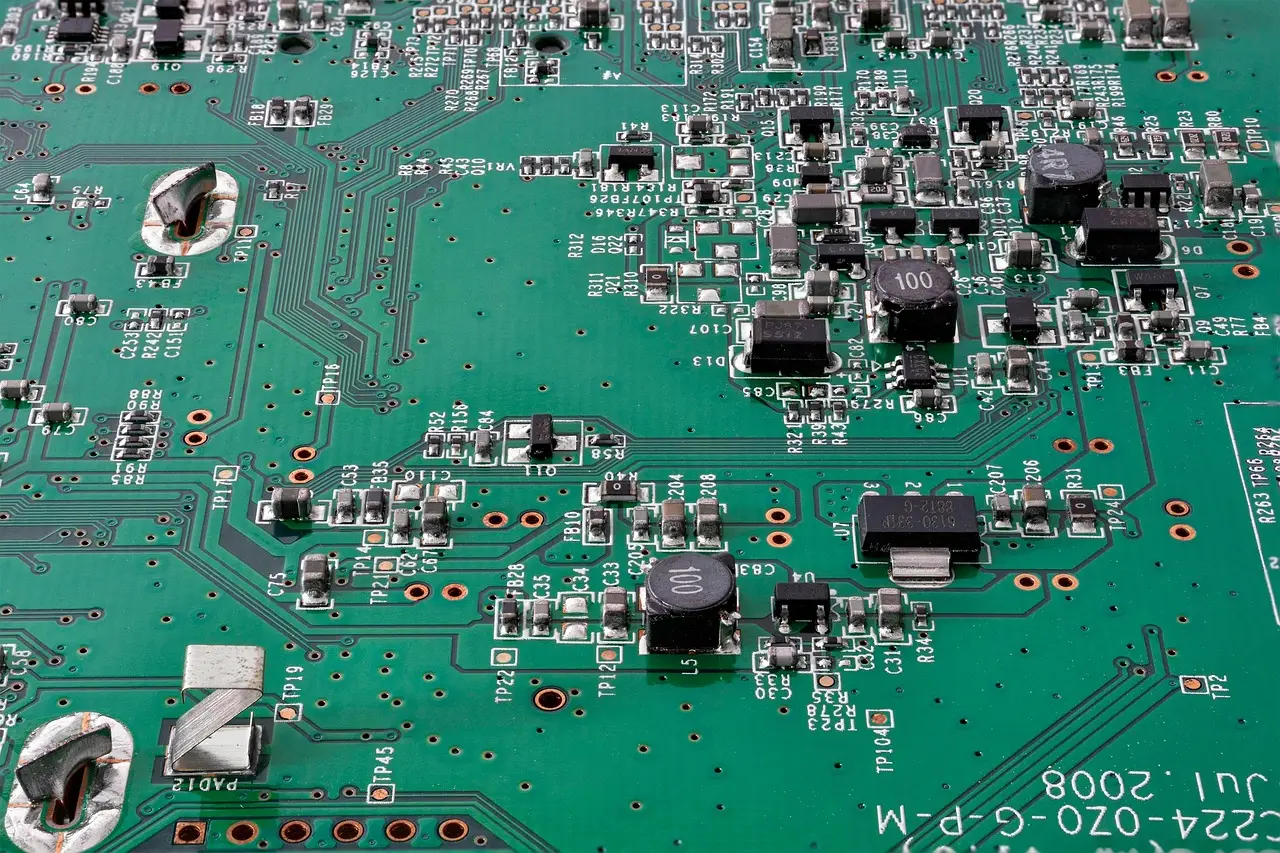
Chinese suppliers will control 83% of China's AI processor market in 2027 and 88% in 2028, according to a UBS Securities research note published Tuesday, Nov. 24, by Jimmy Yu, head of China technology at UBS. The South China Morning Post reported the figures on Thursday.
The note projects annual shipments of domestic AI accelerators to grow nearly sixfold, from 1.7 million units in 2025 to more than 10 million in 2030. UBS names Cambricon Technologies and Biren Technology as the front runners in the race to replace foreign silicon.
One caveat matters for readers of the numbers. The SCMP report did not say whether the 83% and 88% share figures are measured by units or by value, so the two readings could describe very different commercial outcomes.
How big is the market in money?
A summary of the same UBS note, published by Hong Kong's etnet, puts the 2030 shipment forecast at 10.4 million units. At an average selling price of 191,000 yuan per card, UBS sizes the 2030 market at roughly 2 trillion yuan. That implies revenue growth of about 72% a year from 2025 — a compounding curve few semiconductor segments can match.
The takeaway in plain terms: UBS expects China's domestic AI accelerator business to multiply in both volume and value within five years, led by Cambricon and Biren.
What limits the growth?
Supply, not demand, is the binding constraint. UBS expects supply to be tightest in 2026 and 2027, and to ease from 2028. The note identifies two main bottlenecks: access to advanced-node foundry capacity and high-bandwidth memory.
Over the next one to two years, a chipmaker's ability to secure manufacturing capacity and key components will be its main competitive edge, according to the note. In other words, the winners of this cycle will be the firms that lock in wafers and HBM, not necessarily those with the best silicon designs. UBS expects the market to approach supply-demand balance by 2030.
Why now? Export controls tighten
The forecast lands as US controls narrow Chinese access to Nvidia hardware. On Nov. 16, the Commerce Department issued a rule limiting Chinese companies' remote access to advanced chips in overseas data centers.
The consequences already show up in the market. Thousands of Nvidia B300 GPUs have appeared on the resale market, and lenders have stalled data center loans in Asia. Earlier, CBS reported that Nvidia had sold top AI chips to two Chinese-owned California firms.
Each restriction pushes demand toward domestic alternatives, which is the mechanism behind UBS's rising share numbers. The tighter the export regime, the larger the addressable market for Cambricon, Biren and their peers.
What happens next?
For 2026 and 2027, the commercial picture turns on capacity rather than design wins. Chipmakers that secure advanced-node wafers and HBM allocations will define who captures the 2 trillion yuan market UBS projects for 2030, with supply pressure expected to ease only as new capacity comes online toward the end of the decade.
mlq.ai (Source)
More from Tom Whitfield
Show full bio
Staff writer covering companies, deals and strategy in Semiconductors, chip manufacturing, hardware, AI compute at Chip Dispatch.
1,298 articles
Read also
- China Cloud Capex Could Hit RMB 800 Billion by 2027, Splitting the AI Chip Market in Two
- U.S. Plans Advanced AI Chip Sales to China, Balancing Trade and Security
- China Chip Exports Jump 136% to $45 Billion as AI Demand Lifts Prices
- Anthropic's $1.4 Trillion IPO Meets a 10-to-1 U.S.-China AI Revenue Gap