Memory & Storage · 3 min read
Ambarella Cuts Quarter Revenue Guide 37% on Memory Shortage
Ambarella cut fiscal fourth-quarter revenue guidance to $70–75 million, down 37% sequentially at the midpoint, blaming memory shortages that spread beyond consumer IoT; shares fell about 36% in two sessions.
Key takeaways
- Fiscal fourth-quarter revenue guided to $70–75 million, down 37% sequentially at the midpoint on memory shortages beyond consumer IoT.
- Shares closed Wednesday at $35.68, down $8.79 or 19.8%, after a 20% Tuesday fall from Monday's $55.56 close; two sessions cost about 36%.
- Flat expenses at the $72.5 million midpoint imply a roughly $15 million non-GAAP operating loss, with $283 million cash and no debt.
- Analyst rates Ambarella a Hold with a $40 target: 12% base-case upside outweighed by 36% bear-case downside.
- Fiscal 2028 growth depends on second-half product ramps after a weak first half; the valuation case rests on 3.3 times depressed fiscal 2027 sales.
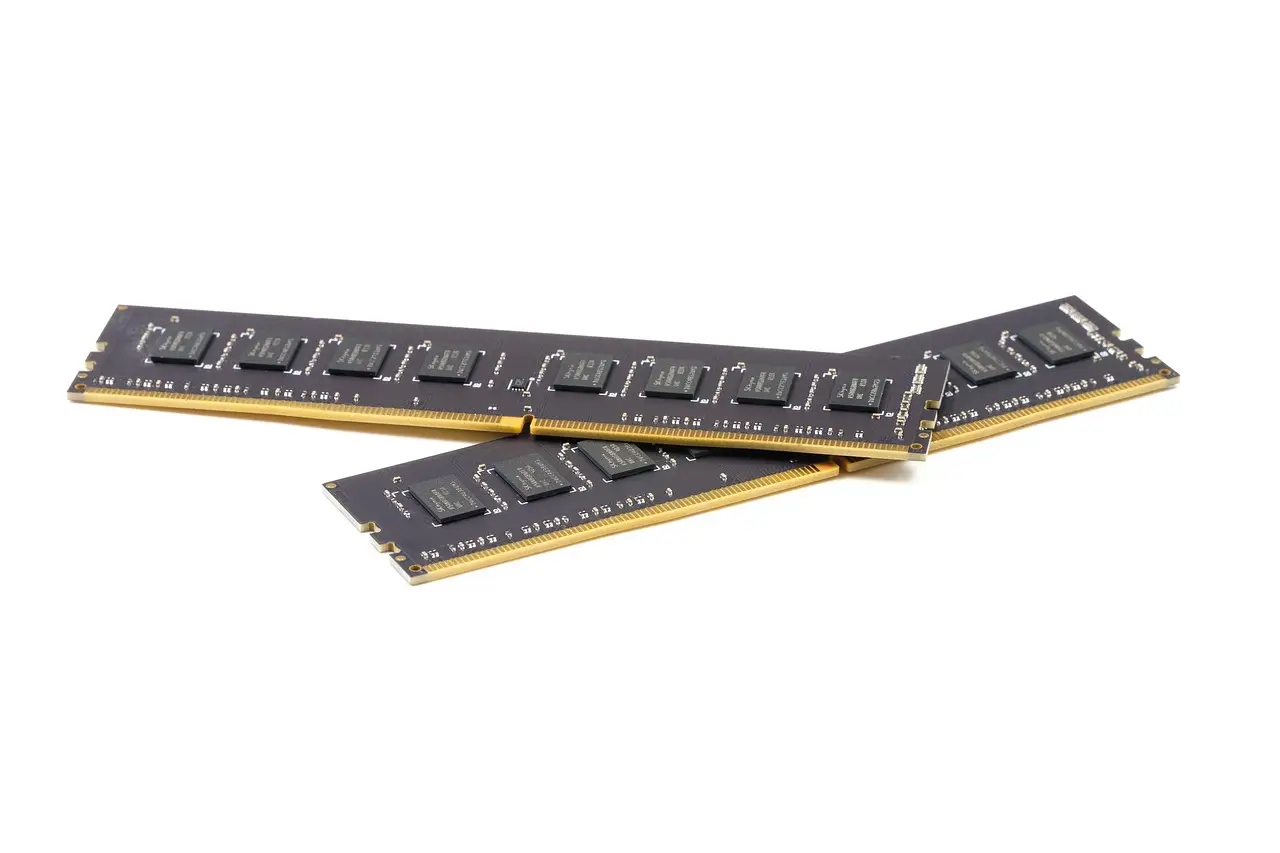
Ambarella guided fiscal fourth-quarter revenue to $70 million to $75 million, a 37% sequential decline at the midpoint, as memory shortages spread beyond consumer IoT. The shares closed Wednesday at $35.68, down $8.79, or 19.8%, and lost about 36% across two sessions.
What does the new guide imply?
At the midpoint, $72.5 million implies roughly $115 million of revenue in the September quarter, and therefore about $42 million of quarterly revenue removed in a single step. The analysis does not say how much of the cut reflects shipments that never went out versus orders that moved to a later quarter.
Holding expenses flat against the midpoint produces a non-GAAP operating loss of roughly $15 million, an arithmetic consequence of the cut rather than a separate warning from management. The balance sheet does not constrain the story: $283 million of cash and no debt.
That cash covers roughly 19 quarters of similar operating losses, and close to one full year of revenue at the $72.5 million guide. Both are inferences, not company statements.
The gaps in disclosure matter. No gross margin guidance, no unit or bit shipment figures, no named memory supplier, no process node and no customer-level breakdown appear in the analysis. The shortage stays an attribution rather than a quantified cost, and the guide covers one quarter with no full-year figure attached.
Which numbers are confirmed, and which are not?
Company guidance supplies the $70 million to $75 million range, company roadmaps supply the second-half fiscal 2028 product ramps, and analyst arithmetic supplies the $15 million operating loss, the 3.3 times sales multiple and the $40 target.
Only the first category survives a quarterly report without interpretation. The fiscal 2028 ramp carries no revenue figure, no part number and no customer, so no outside party can check it against anything yet.
How did the market price the news?
Monday's close of $55.56 became Tuesday's $44.47, a 20% fall, and Wednesday's $35.68 close extended the decline by $8.79, or 19.8%. Two sessions removed about 36% of value, and the Wednesday low of $30.50 sits 45% below Monday's close.
That is a verdict on the guide and the roadmap behind it, not on the balance sheet. The $283 million cash balance did not appear to be the deciding factor; the guide changes the earnings math.
What does the Hold rating assume?
The analyst writes: "I rate Ambarella a Hold with a $40 target: 12% base-case upside is outweighed by 36% bear-case downside."
Measured from the $35.68 close, the $40 target offers 12% while the bear case implies a price near $23, well below Wednesday's low of $30.50. Reward and risk run roughly one to three against the shares.
The target also requires a recovery. Getting back to the September quarter's implied $115 million of revenue merely restores the starting point, and the analysis does not say what fiscal 2028 must deliver beyond that.
The analyst discloses no stock or derivative position in Ambarella, no plan to open one within 72 hours, and no business relationship with the company.
What must fiscal 2028 deliver?
Growth in fiscal 2028 depends on product ramps in the second half, after a weak first half. The wording leaves the fiscal year of that first half unstated, and no part number, customer or shipment volume accompanies the claim.
The same analysis argues that "3.3 times depressed fiscal 2027 sales is not a deep discount." That deserves a hard look. A multiple of 3.3 times fiscal 2027 sales looks cheap only if the trough year is also the bottom, and no fiscal 2028 revenue figure exists to test it.
What would change the picture?
Two data points would settle the debate: a quantified second-half fiscal 2028 ramp, and evidence that memory pricing and supply have stopped deteriorating.
If allocation keeps tightening beyond consumer IoT, the next guide confronts the same arithmetic with a thinner cash cushion. Until Ambarella sizes the fiscal 2028 ramp, the 37% cut stands as a measured warning rather than a floor.
seekingalpha.com (Source)
More from Sophie Lindqvist
Show full bio
News editor covering money, funding and market shifts around Semiconductors, chip manufacturing, hardware, AI compute at Chip Dispatch.
1,361 articles