AMD Claims MEXT Software Halves Server DRAM at 95% Performance
AMD reports its MEXT memory-tiering software keeps 95% performance at half the DRAM in PrimeTime runs, but benchmark footnotes remain unpublished.
- By
- Sophie Lindqvist
- Filed
- Channel
- Memory & Storage
- Read
- 3 min read
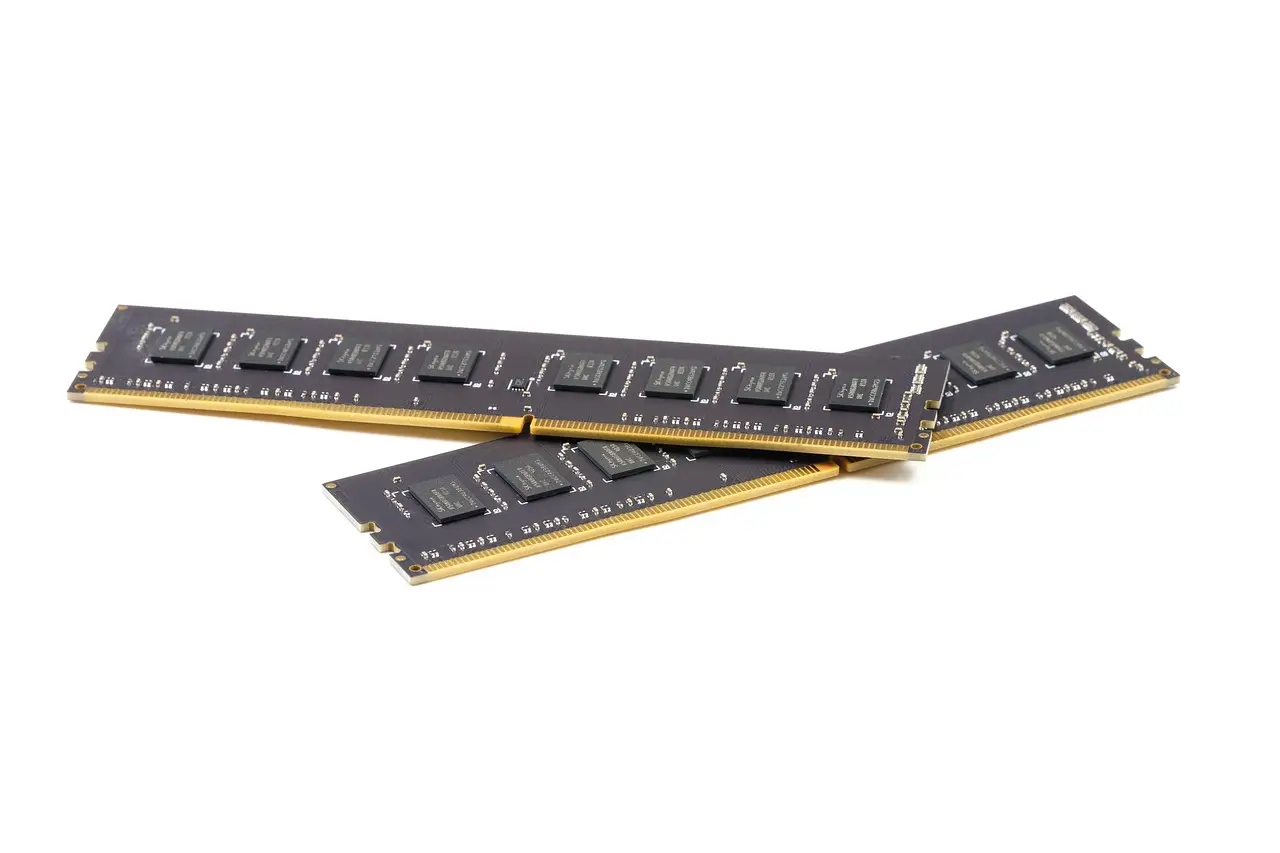
AMD says servers running Synopsys PrimeTime kept 95% of full performance with only half their DRAM, according to figures the company shared with Tom's Hardware. The claim comes from MEXT, the memory-tiering startup AMD acquired on June 15 without disclosing terms.
The numbers deserve scrutiny. AMD reported them itself. It has not published the benchmark footnotes. Servers at 25% DRAM capacity retained 80% of PrimeTime performance in the same internal runs, according to the figures AMD gave Tom's Hardware.
How widespread is the deployment?
MEXT currently runs on 145 AMD servers. AMD plans to extend it to 2,000 servers next year, the company said. That is a roadmap, not a shipped product line.
The rollout has two phases. In the current phase, HPE ships EPYC Venice servers carrying a "MEXT Ready" badge and a dedicated NVMe bay. The second phase, which bundles MEXT licenses with AMD's RAM View page-temperature tool, has no start date. That gap matters. The commercial product remains undated even as the marketing begins.
How does the technology work?
MEXT offloads cold memory pages to a dedicated NVMe drive. An AI model predicts which pages the application will request next and moves them back into DRAM before the request arrives. The operating system and the application still see full memory capacity.
The software runs as a Linux kernel module on common distributions. MEXT founder Gary Smerdon told Tom's Hardware the engine is an ensemble of models led by a transformer that predicts the next page much as a language model predicts the next token. The model is not pre-trained. It trains in under a second on deployment, runs on a single EPYC core without a GPU, and keeps learning as the workload runs, Smerdon said.
AMD claims the approach can cut physical DRAM by 20% to 75% depending on the application and performance target. The company adds that many workloads can safely drop about 20% to 25% of DRAM, while deeper cuts work only for specialized applications. That narrower claim is the more credible one; the 75% figure carries no published workload detail.
What workloads has AMD tested?
PrimeTime, a chip-timing tool, is the workload AMD has focused on. AMD also reported results for other cases:
- Spark SQL on TPC-DS in Azure: 99% performance at 50% DRAM
- 5 concurrent agents: 99% at 50% DRAM, 85% at 25%
- A memory-hungry agent: 90% at 50% DRAM, 88% at 25%
All figures are AMD-reported. The test footnotes are not yet published. Independent verification does not exist yet, and no third party has reproduced the results.
Why now?
The pitch lands in the middle of a DRAM shortage driven by AI server demand. Memory makers' margins have pushed toward 80%, according to MLQ.ai coverage. Winbond's chairman said this week that prices have risen about as high as they can go, MLQ.ai reported. Halving DRAM per server would cut a large cost line at exactly the moment buyers feel it most.
MEXT remains exclusive to EPYC for now. That exclusivity is a competitive play, not a technical necessity AMD has explained. The company has not said whether the software will reach other platforms, and it has not dated the licensing phase.
The commercial test arrives next year. If the 2,000-server rollout and the undated licenses ship on schedule, buyers will gain a public yardstick for whether 95% performance at half the DRAM survives contact with workloads AMD did not choose.
Source: mlq.ai
More from Sophie Lindqvist
Show full bio
News editor covering money, funding and market shifts around Semiconductors, chip manufacturing, hardware, AI compute at Chip Dispatch.
885 articles
Related articles
amd-says-mext-keeps-95-of-server-speed-on-half-the-dram
AMD says MEXT keeps 95% of server speed on half the DRAM
amd-acquires-mext-to-extend-dram-onto-flash-as-memory-prices-surge-c55cecbf
AMD Acquires MEXT to Extend DRAM Onto Flash as Memory Prices Surge
amd-courts-samsung-for-broader-partnership-to-secure-memory-supply-55870904
AMD Courts Samsung for 'Broader Partnership' to Secure Memory Supply
amd-reverses-17-crash-and-adds-nearly-100-billion
AMD Reverses 17% Crash and Adds Nearly $100 Billion