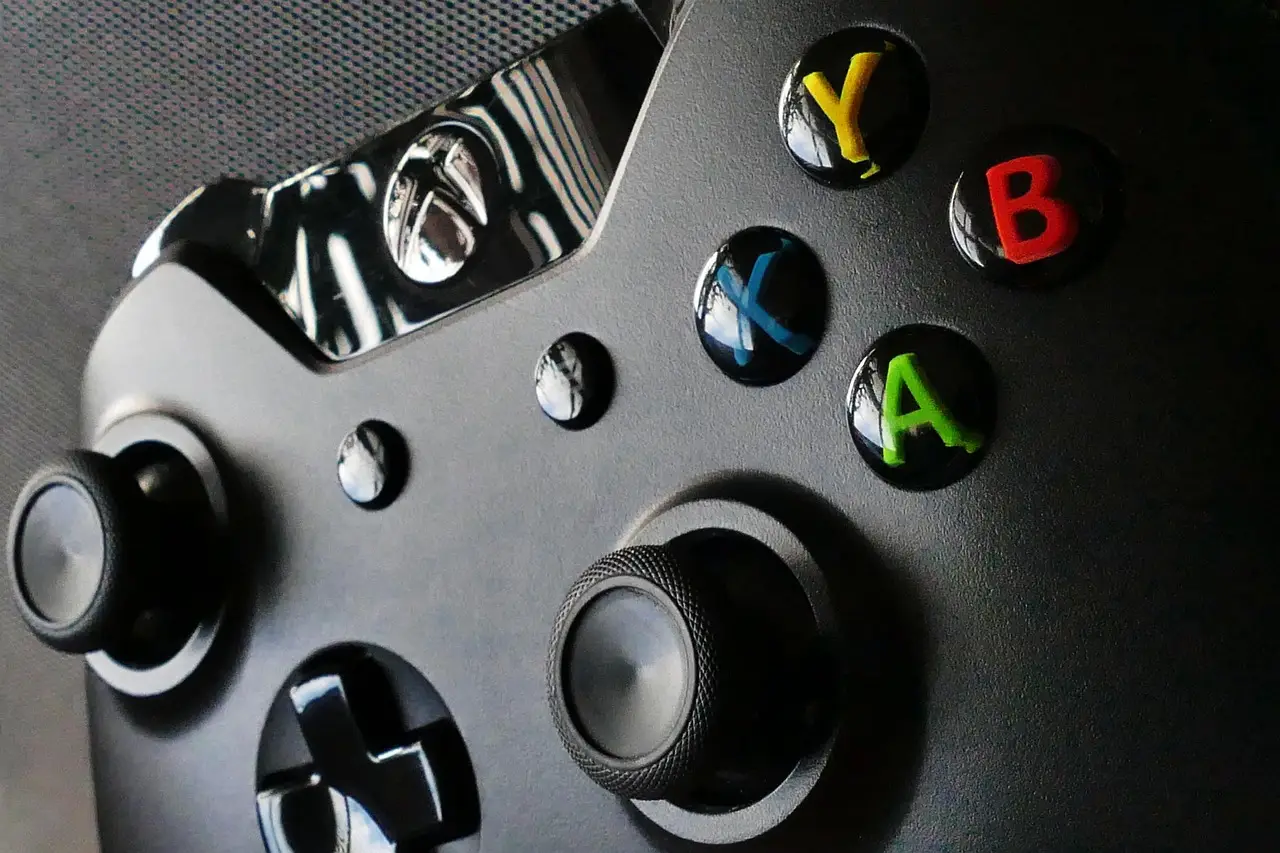
AMD Widens FSR 4.1 Support to RX 6000, Xbox Series Consoles
AMD's FSR 4.1 now runs on Radeon RX 6000 GPUs, Xbox Series X and S, and Ryzen AI Max, AI 9, and Z2 SoCs, extending the upscaler across five years of hardware.
- By
- Sophie Lindqvist
- Filed
- Channel
- Consumer Tech
- Read
- 3 min read
AMD has extended FSR 4.1 support to hardware the company had previously left outside the feature list. The list now includes Radeon RX 6000 graphics cards, Xbox Series X and Series S consoles, and a range of Ryzen AI-branded processors.
The affected Ryzen silicon covers three families. Ryzen AI Max, Ryzen AI 9, and Ryzen AI Z2 SoCs all gain FSR 4.1 capability. The Z2 series matters most here. Those chips power current handheld gaming devices, where upscaling does the heavy lifting on small, power-limited GPUs.
What does the RX 6000 addition change?
The Radeon RX 6000 series launched on the RDNA 2 architecture in 2020. AMD's original FSR 4 rollout targeted newer RDNA 4 hardware. Extending version 4.1 to five-year-old GPUs marks a reversal of that scope.
The move has obvious commercial logic. RX 6000 cards retain an installed base counted in the millions. Owners of those cards gain access to the latest upscaler without buying new silicon. AMD has not, in the material reviewed here, stated what performance penalty older architectures pay for running FSR 4.1 rather than an earlier version.
That gap deserves attention. Machine-learning-based upscaling quality depends on the hardware that runs it. RDNA 2 lacks the dedicated AI accelerators present in newer designs. Whether FSR 4.1 runs natively, through a compatibility layer, or in a reduced mode on RX 6000 cards remains an open question. AMD's announcement, as reported, does not address it.
Why do consoles matter for an upscaler?
Xbox Series X and Series S support is the more consequential half of the story. Consoles fix their hardware for a full generation. Series X shipped in November 2020 with 12 teraflops of compute on RDNA 2. Series S targets 1440p output with a smaller GPU.
An improved upscaler on fixed consoles can extend the life of cross-platform titles. Developers shipping on Xbox gain a newer reconstruction option without new hardware in the living room. Microsoft and AMD have collaborated on console silicon since the Series generation launched, so the extension fits an existing partnership.
The caveat mirrors the GPU case. Console certification and per-title integration decide real-world impact. Upscaler availability at the platform level does not guarantee adoption in shipping games.
Where do the AI SoCs fit?
The Ryzen AI families serve different markets. Ryzen AI Max targets premium thin-and-light laptops with large integrated GPUs. Ryzen AI 9 covers mainstream mobile chips. Ryzen AI Z2 addresses handhelds, a segment where AMD already holds design wins across multiple vendors.
For handhelds, upscaling is not a quality nicety. It is the mechanism that makes modern titles playable at 15-to-30-watt power budgets. FSR 4.1 on Z2 devices puts AMD's newest reconstruction tech directly against the upscalers shipping in rival handheld platforms.
Again, a number is missing. AMD has not published comparative frame-rate or image-quality figures for FSR 4.1 across these platforms in the material reviewed. Claims of improvement over FSR 3 remain, for now, assertions without attached measurements.
What is still unconfirmed?
Several practical details sit outside the announcement as reported:
- The rollout date for each platform
- Whether RX 6000 support requires a driver-side translation layer
- Which Xbox titles will integrate FSR 4.1 first
- Performance deltas versus FSR 3.1 on identical hardware
- Availability through AMD's open-source FSR SDK, if applicable
AMD's FSR strategy has leaned on openness, in contrast to Nvidia's DLSS, which stays exclusive to RTX-class tensor hardware. Widening 4.1 to RDNA 2 GPUs, consoles, and AI SoCs extends that reach across roughly five years of shipping products. If the port delivers near-parity quality on older hardware, AMD will have erased one of DLSS's structural advantages; until independent testing appears, that outcome remains a claim, not a result.
Source: Tom's Hardware
More from Sophie Lindqvist
Show full bio
News editor covering money, funding and market shifts around Semiconductors, chip manufacturing, hardware, AI compute at Chip Dispatch.
671 articles
Related articles
amd-extends-fsr-4-1-upscaling-to-xbox-consoles-handhelds-and-rx-6000-gpus-789fa2c0
AMD Extends FSR 4.1 Upscaling to Xbox Consoles, Handhelds and RX 6000 GPUs
amd-confirms-fsr-4-expansion-to-handhelds-by-end-of-2026-c85de706
AMD Confirms FSR 4 Expansion to Handhelds by End of 2026
microsoft-commits-billions-to-amd-helios-racks-for-azure-inference-1f4c04ad
Microsoft Commits Billions To AMD Helios Racks For Azure Inference
amd-benchmarks-gorgon-halo-ahead-of-expected-rtx-spark-launch-fcddfa4e
AMD Benchmarks 'Gorgon Halo' Ahead of Expected RTX Spark Launch