Anduril details first orbital satellite and infrared tracking mission
Anduril’s self-funded ANDURIL-216 launched July 7 on SpaceX’s Transporter-17. Its eclipse-capable LWIR camera, modular electronics and agreed ExoAnalytic acquisition extend spacecraft tracking.
- By
- Grace Kim
- Filed
- Channel
- Science & Technology
- Read
- 3 min read
By Grace Kim
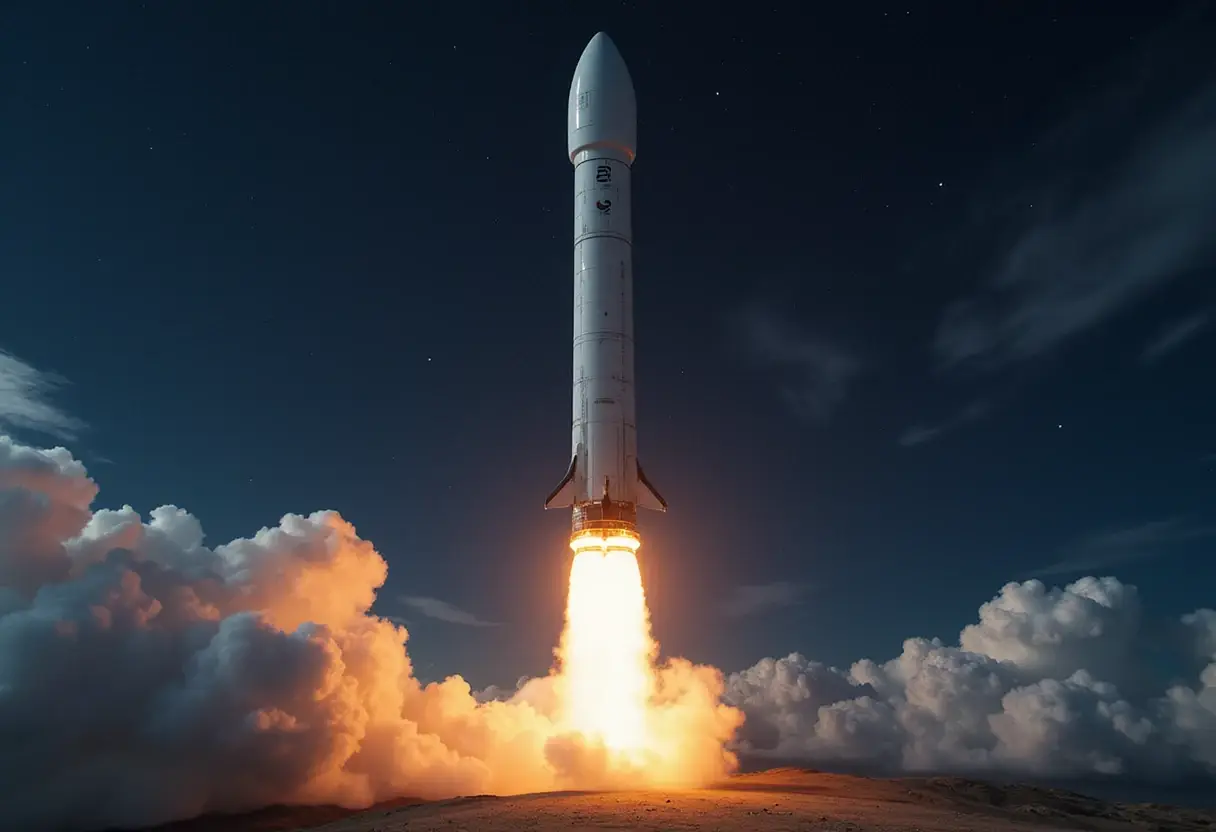
ANDURIL-216 launched on July 7 aboard SpaceX’s Transporter-17 from Vandenberg, carrying Anduril Industries’ first satellite into orbit as a self-funded space domain awareness demonstrator for orbital tracking. Aviation Week reported in August that the spacecraft was operating on orbit. Anduril provided the first detailed account of its mission at a Tuesday briefing.
Anduril said ANDURIL-216 demonstrates space domain awareness missions, including tracking adversary spacecraft. The company calls the satellite Lectronimo internally. “You can’t fight in space if you can’t see in space,” said Gokul Subramanian, senior vice president who heads Anduril’s space business. No adversary was identified, and Anduril disclosed no government customer or contract value for the mission.
What hardware does ANDURIL-216 carry?
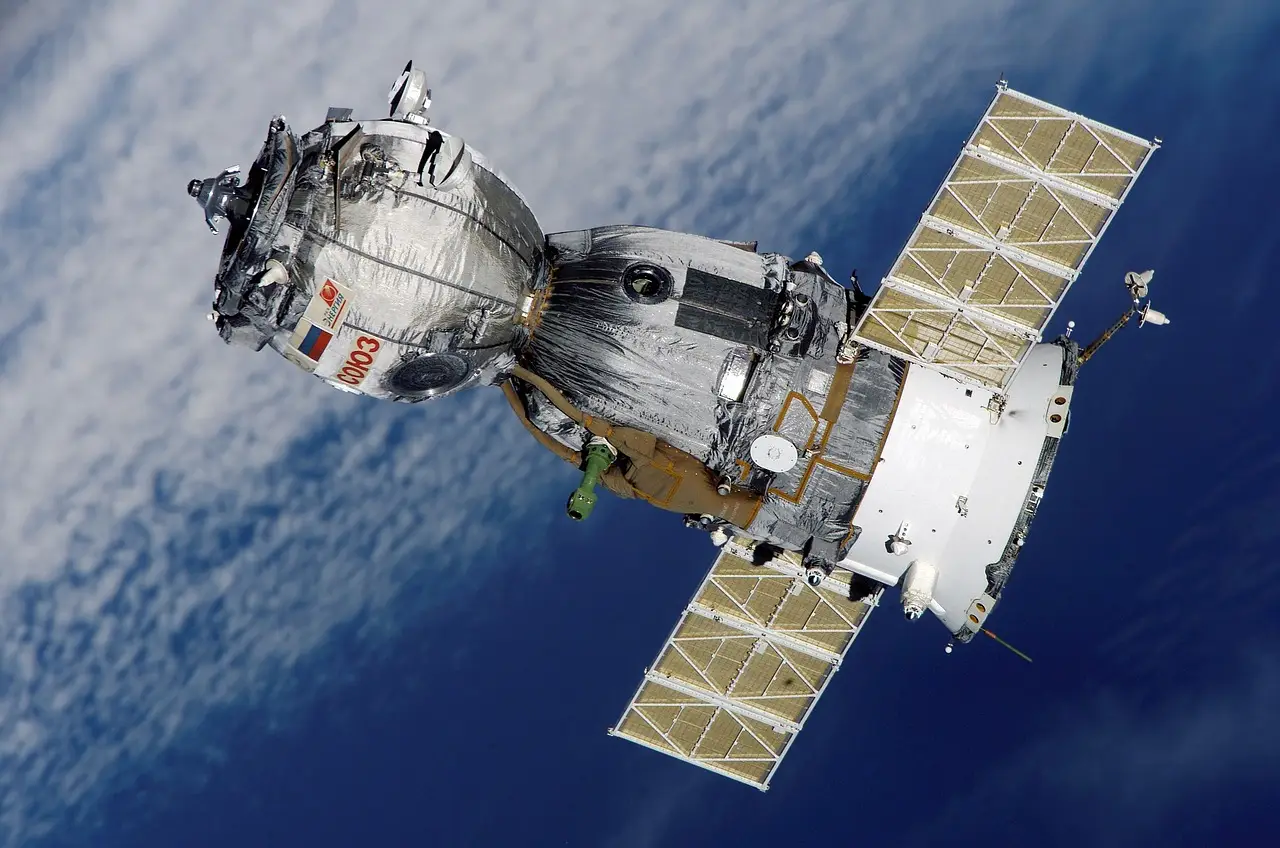
Apex supplied the spacecraft bus. The main payload is an Anduril-built long-wave infrared, or LWIR, camera with low solar exclusion, meaning the sun rarely blinds it. The sensor can detect objects while they lie in Earth’s shadow. That combination gives the satellite a way to retain objects through eclipse rather than lose them temporarily.
Adam Thurn, who runs Anduril’s orbital systems unit, said the camera lets the satellite keep custody of objects across a full orbit, including eclipse, while two third-party electro-optical sensors fly alongside the Anduril camera. The satellite therefore carries one Anduril camera and two third-party electro-optical sensors.
How do the compute and power modules work?
Anduril also built a mission compute module that can run AI models. Slotted cards let the module accept third-party software. A separate power module conditions power for payloads and can work with any satellite bus.
Anduril said the bus-agnostic approach avoids lock-in to one supplier and lowers cost. The architecture combines Anduril sensing, third-party instruments and slotted software interfaces on an Apex-supplied bus, giving Anduril a commercial path to supply mission hardware for spacecraft built by other suppliers.
The briefing did not disclose module capacity, production volumes or unit pricing. The confirmed result is an orbital demonstration, not a disclosed production run.
Is this a government program?
No government customer is named for ANDURIL-216. Anduril describes the self-funded mission as preparation for future government work. More than 350 of its people now work on space. The company disclosed neither a government contract value nor revenue attributable to the satellite.
The confirmed result is an operating satellite in orbit, while future government missions remain potential work rather than contracts, revenue or a disclosed production order.
How does ground tracking extend the satellite?
The satellite adds Anduril’s own on-orbit sensing to ground-based tracking bought earlier this year. In March, the company agreed to acquire ExoAnalytic Solutions, which runs a network of more than 400 telescopes watching spacecraft and debris in high orbits.
ANDURIL-216 has three sensors, while the ExoAnalytic network has more than 400 ground telescopes; together, the acquisition would connect orbital custody with broader observation of spacecraft and debris in high orbits.
Where does this fit in defense competition?
Rival defense-technology company Shield AI said this week that its Hivemind software flew two Air Force combat drones in formation, according to MLQ.ai coverage. The drone flight concerns autonomous aircraft control. ANDURIL-216 concerns orbital sensing, full-orbit object custody and modular payload electronics. Both disclosures concern defense technology, but they address different domains.
What must happen next?
ANDURIL-216 already operates in orbit, but it has no named government customer. Its next commercial test is conversion into funded government work. Future awards will determine whether Anduril can turn the self-funded demonstrator and bus-agnostic modules into recurring space business. The company has disclosed no pricing or shipment schedule, leaving the scale and timing of that expansion open.
Source: mlq.ai
More from Grace Kim
Show full bio
Market editor covering people, launches and day-to-day practice in Semiconductors, chip manufacturing, hardware, AI compute at Chip Dispatch.
819 articles
Related articles
google-s-project-suncatcher-satellite-reaches-orbit-with-trillium-tpus-8e8a0b66
Google's Project Suncatcher Satellite Reaches Orbit with Trillium TPUs
spacex-plans-to-launch-google-ai-chips-into-orbit-cnbc-reports-669e554f
SpaceX Plans To Launch Google AI Chips Into Orbit, CNBC Reports
spacex-and-google-send-ai-chips-into-orbit-to-test-space-data-centers-4dc76cb9
SpaceX and Google Send AI Chips Into Orbit to Test Space Data Centers
alphabet-sends-google-tpus-into-orbit-in-first-space-data-center-test-2d6b37f0
Alphabet Sends Google TPUs Into Orbit in First Space Data Center Test