Anthropic Brings Claude to Meetings, Sheets and Whiteboards
Anthropic launched Claude Meetings, Sheets and Whiteboards in beta, made Claude Data available to all paid plans, and deepened app connectors ahead of a possible IPO.
- By
- Tom Whitfield
- Filed
- Channel
- AI & Compute
- Read
- 4 min read
By Tom Whitfield
Anthropic put three AI office products into beta on Tuesday: Claude Meetings, Claude Sheets and Claude Whiteboards, widening Claude’s push beyond coding into everyday enterprise work.
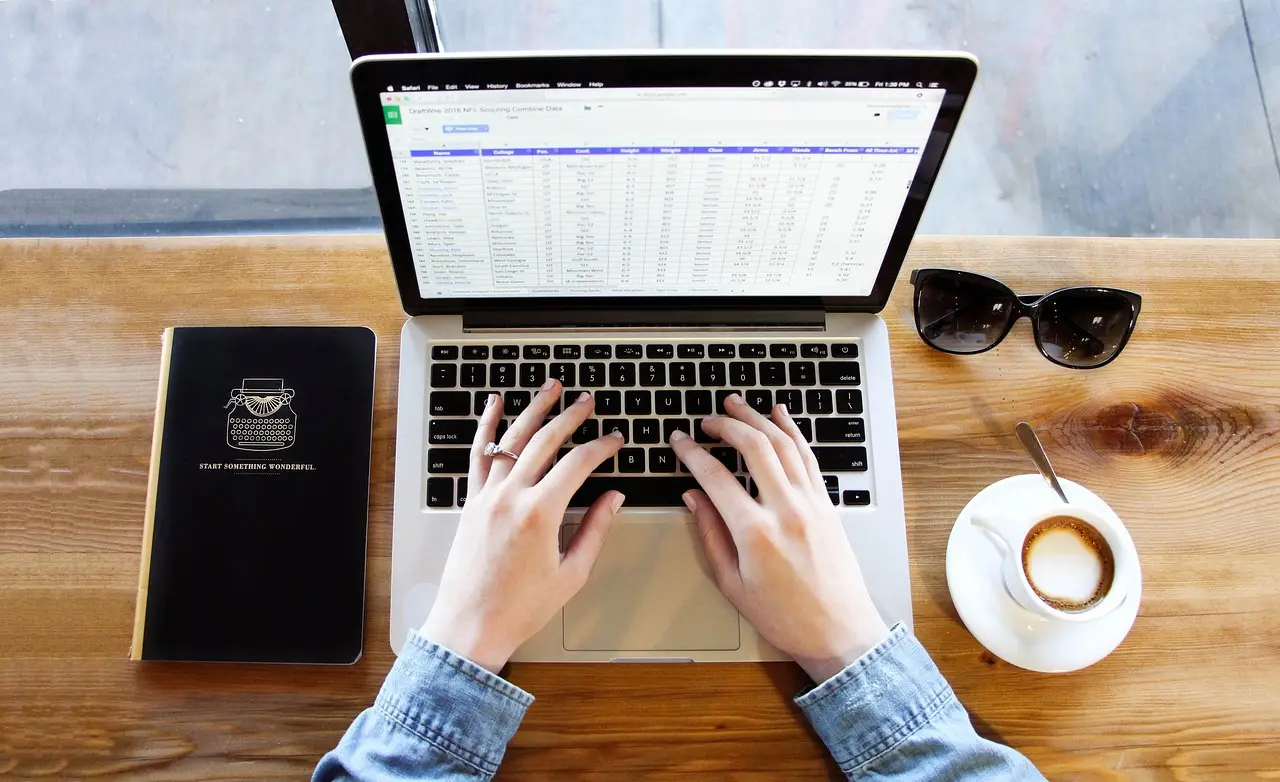
At a San Francisco event, Anthropic presented the tools for nontechnical workers who spend their time in meetings, brainstorming ideas and analyzing metrics. Claude can join a meeting and take notes, edit a spreadsheet beside employees, arrange ideas on a shared whiteboard, or turn a presentation into a one-minute explainer video.
Nicholas Lin, who works on product at Anthropic, told The Verge in a pre-briefing that Claude Code “changed how engineers work a year ago.” He described knowledge workers as the gap the company hopes to close, adding that friction remains in AI adoption among non-developers.
What changes for paid users?
Anthropic also presented new “Artifacts,” its name for Claude’s graphical interface, 2.5 years after the feature first debuted. They now sit beside Claude Docs, Slides, Design and Motion, giving the suite a broader set of document and presentation tools.
The three new products have different access rules:
- Claude Whiteboards and Claude Sheets are available to all paid plans.
- Claude Meetings is available to Teams and Enterprise subscriptions.
Claude Data also became generally available to all paid plans. The product was introduced in beta in October as Claude Dashboards and retained the broader Data name before its general release.
For customers, the practical change is broader office coverage, although meeting access still depends on the subscription tier.
Why target nontechnical workers?
Anthropic has spent years building a reputation around enterprise and coding tools used by high-profile corporate clients. That focus prompted competing frontier labs, including OpenAI, SpaceXSI and Meta, to copy its strategy, while Claude Code passed through its own hype cycle earlier this year.
The launch represents some of Anthropic’s first native products aimed directly at nontechnical knowledge workers. Until now, most of its expansion beyond engineering had centered on products with a strong technical foundation.
Although Claude Cowork was essentially a wrapper around Claude Code, Lin said it targeted the technical parts of Anthropic’s nontechnical audience. Meetings, Sheets and Whiteboards address work that does not require software expertise.
Lin said: “Now we want to expand that reach toward everybody else.”
The business shift is from developer productivity toward a company-wide office suite.
What do the connectors change?
New interactive connectors let users open applications from HubSpot, Adobe and Atlassian inside Claude. The examples include a native Adobe PDF editor and a HubSpot marketing campaign tracker, rather than links that send users back to another site.
Anthropic launched Model Context Protocol about two years ago, and its marketplace has grown to more than 9,000 plugin options. Lin said the new connectors aim to make those connections deeper, so employees can use external services without repeatedly switching browser tabs.
Embedding applications can reduce context switching and keep more of a task inside Claude. The announcement, however, supplied no usage or revenue figures for the connectors or the wider plugin marketplace.
The commercial value depends on whether embedded apps increase daily use rather than simply duplicate functions already available in partner software.
Can Anthropic turn features into revenue?
Anthropic is entering an active feature race. Google’s Gemini can join meetings and take live notes, while OpenAI’s ChatGPT can do so in some cases through its “record” feature. Gemini also creates spreadsheets through Google Sheets, and Google offers numerous interactive connectors for its office suite.
At OpenAI’s DevDay last month, OpenAI emphasized integrated apps and connectors to make its new Dots agents more useful. Anthropic is now following part of that approach while seeking ground in the AI agent market.
The launch also comes as Anthropic faces pressure to generate more revenue and product engagement before a potential IPO. The prospective listing could rank as the most valuable public debut ever, but it remains a future event: the announcement gave no filing date, target valuation, revenue figure, subscription price or profitability forecast.
Investors want evidence of a viable path to profit, and the office suite supplies a broader route to paid engagement. The next commercial test is whether these workflows and embedded apps can increase usage before an IPO, rather than merely matching features that Google and OpenAI already offer.
Source: theverge.com
More from Tom Whitfield
Show full bio
Staff writer covering companies, deals and strategy in Semiconductors, chip manufacturing, hardware, AI compute at Chip Dispatch.
802 articles
Related articles
anthropic-expands-claude-into-meetings-whiteboards-and-sheets
Anthropic expands Claude into meetings, whiteboards and sheets
psi-reports-proof-of-18-year-old-quantum-conjecture
PSI Reports Proof of 18-Year-Old Quantum Conjecture
anthropic-s-900-9-billion-compute-bill-meets-an-81-billion-run-rate
Anthropic's $900.9 Billion Compute Bill Meets an $81 Billion Run-Rate
ai-debt-may-exceed-800-billion-as-bowman-flags-equity-risk
AI debt may exceed $800 billion as Bowman flags equity risk