AtlasBase's Thalia Packs 5.6B DNA Sites on TSMC 16nm
AtlasBase's Thalia carries 5.6B electro-chemical synthesis sites on TSMC 16nm CMOS. The startup pitches petabyte DNA archives and parallel molecular compute — but robotic integration and 30-minute runtimes raise real questions.
- By
- Rebecca Stone
- Filed
- Channel
- Semiconductors
- Read
- 3 min read
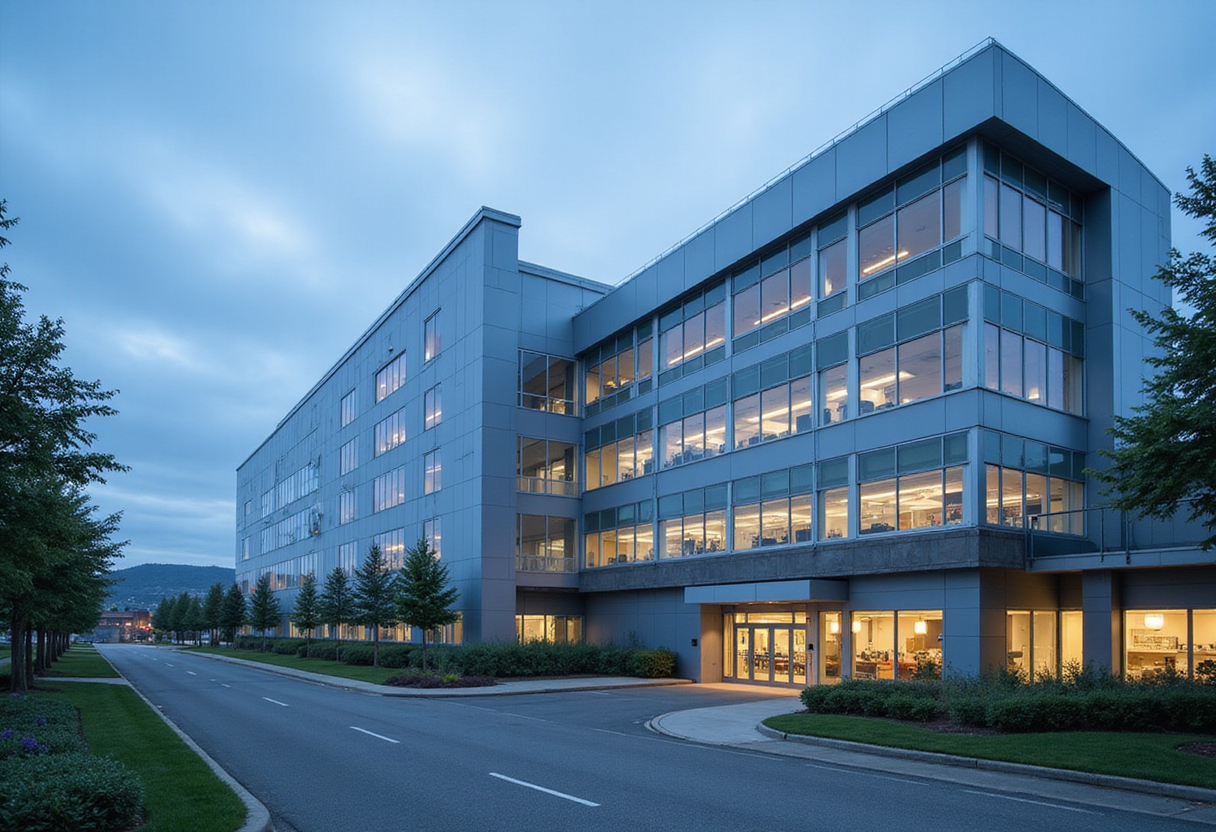
Five-point-six billion electro-chemical synthesis sites sit on AtlasBase's Thalia chip, which the South San Francisco startup builds on TSMC's 16nm process and ships to IMEC in Belgium for the wet layer. The figure: a 700x jump over previously available DNA synthesis chips.
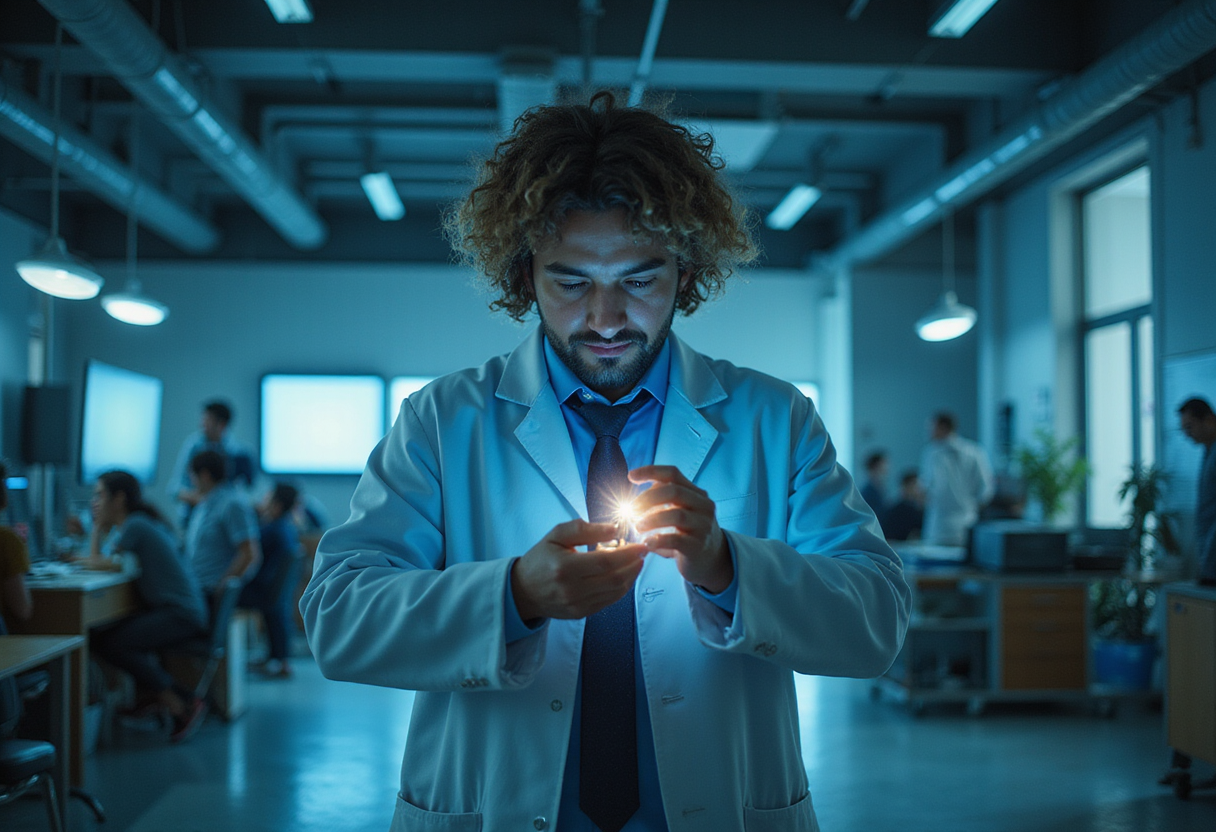
"For 2 billion years, DNA has flourished as nature's data platform, an incredibly capable structure for processing the information that defines every living thing," CEO Jeff Treuhaft said. "We're now harnessing that same architecture for computing at a scale that was never before possible." AtlasBase pitches Thalia as a Bio-Silicon platform. Same molecular medium. Storage and compute.
What can the device actually do?
Thalia stores synthetic DNA inside capsules housed in stainless-steel cartridges shaped like LTO tape cases. AtlasBase says a petabyte-scale archive could fit inside a 7 mm x 18 mm capsule. The supplied image shows 10 TB. Each cartridge carries 100 capsules in a 10 x 10 array. Storage starts at 100 TB per LTO footprint. By the company's math, it scales to 5 EB in the same envelope. Claimed 1,000-year stability. Immune to electromagnetic radiation.
For compute, AtlasBase encodes logic into short DNA strands, mixes them with archived DNA, and lets chemical strand displacement evaluate thousands to millions of options in parallel inside microliters of fluid. The airline scheduling demo is combinatorial. Every route, aircraft, and time slot multiplies against every other. End to end — capsule access, query synthesis, mixing, sequencing — the company estimates about 30 minutes. Tape-retrieval-plus-post-processing speed. Not GPU speed.
Is the silicon real?
AtlasBase's "Bio-Silicon" device stacks three layers: TSMC-fabricated CMOS for control and sensing, a "Bio-Device Array," and a wet biochemistry tier. The company claims 16.8 billion devices per chip. 250 GB of synthesized DNA per chipset per 24 hours. Densest such device to date, it says.
Treuhaft confirms Thalia is the second chip. The first, the 128-million-device Clio prototype, completed in 2022/2023. Thalia designs have been validated at AtlasBase HQ in South San Francisco. Unclear still: how written DNA fragments are harvested, how cartridges would slot into a robotic archive library. On both, the CEO pointed to existing IT and biotech automation. No new hardware.
Who's behind AtlasBase, and what's next?
AtlasBase launched in May 2025 as Atlas Data Storage, a Twist Bioscience spin-off. It closed a $155 million seed round and licensed Twist's DNA storage IP. Original CEO Varun Mehta, co-founder of HPE-acquired Nimble Storage, left after seven months for Premji Invest in January 2026. NetApp-veteran Treuhaft took the CEO seat in March. The company rebranded as AtlasBase. Early Access cartridges are shipping to a first customer cohort.
No major archive business has publicly committed. Bill Baggelaar, former CTO of Sony Pictures Entertainment and co-author of MovieLabs 2030 Vision, has called the platform a generational fix: "Molecular storage can fundamentally change that by preserving our most valuable creative assets for generations, without the constant migration and maintenance that plagues today's solutions." Praise, not a contract.
The remaining question: whether 5.6 billion synthesis sites can carry real enterprise workloads before competing tape-replacement efforts land. Cerabyte is further along on robotic DNA libraries. LTO's own roadmap runs to LTO-14 at 913 TB compressed. AtlasBase's technology looks impressive on paper. The market will now decide if impressive is enough.
Original: atlasbase.com
More from Rebecca Stone
Show full bio
Correspondent covering technology and product news in Semiconductors, chip manufacturing, hardware, AI compute at Chip Dispatch.
352 articles
Related articles
tsmc-plans-five-more-advanced-packaging-plants-in-taiwan-e4a36c9a
TSMC Plans Five More Advanced Packaging Plants in Taiwan
penn-state-builds-dna-perovskite-memristor-that-draws-100x-less-power-b2c5586d
Penn State Builds DNA-Perovskite Memristor That Draws 100x Less Power
microsoft-unveils-tsmc-n2p-based-maia-300-ai-chip-89e44220
Microsoft Unveils TSMC N2P-Based Maia 300 AI Chip
new-crystal-growth-technique-could-pave-way-for-stacked-ai-chips-06b3226d
New Crystal-Growth Technique Could Pave Way for Stacked AI Chips