China Factory Output Slows to 4.8% as Investment Falls 8.1%
China's fixed-asset investment fell 8.1% through October while retail sales grew just 0.4%, yet high-tech manufacturing output rose 17.6% and industrial robot production jumped 26%.
- By
- Grace Kim
- Filed
- Channel
- Semiconductors
- Read
- 3 min read
China's fixed-asset investment fell 8.1% in the first ten months of 2025 to 36.5 trillion yuan, the National Bureau of Statistics said on Nov. 16, as retail sales growth collapsed to 0.4% and industrial output slowed to 4.8% — all three indicators missing economist forecasts and pointing to weakening end-demand for electronics and industrial components.
The figures, released at 10 a.m. Beijing time, landed below a Reuters poll that expected retail sales growth of 0.8% and industrial output growth of 5.3%. Retail sales had grown 1.1% in September, a six-month high. Output had expanded 5.5%. CNBC described the investment contraction as unprecedented outside the Covid-19 period.
What held up in manufacturing?
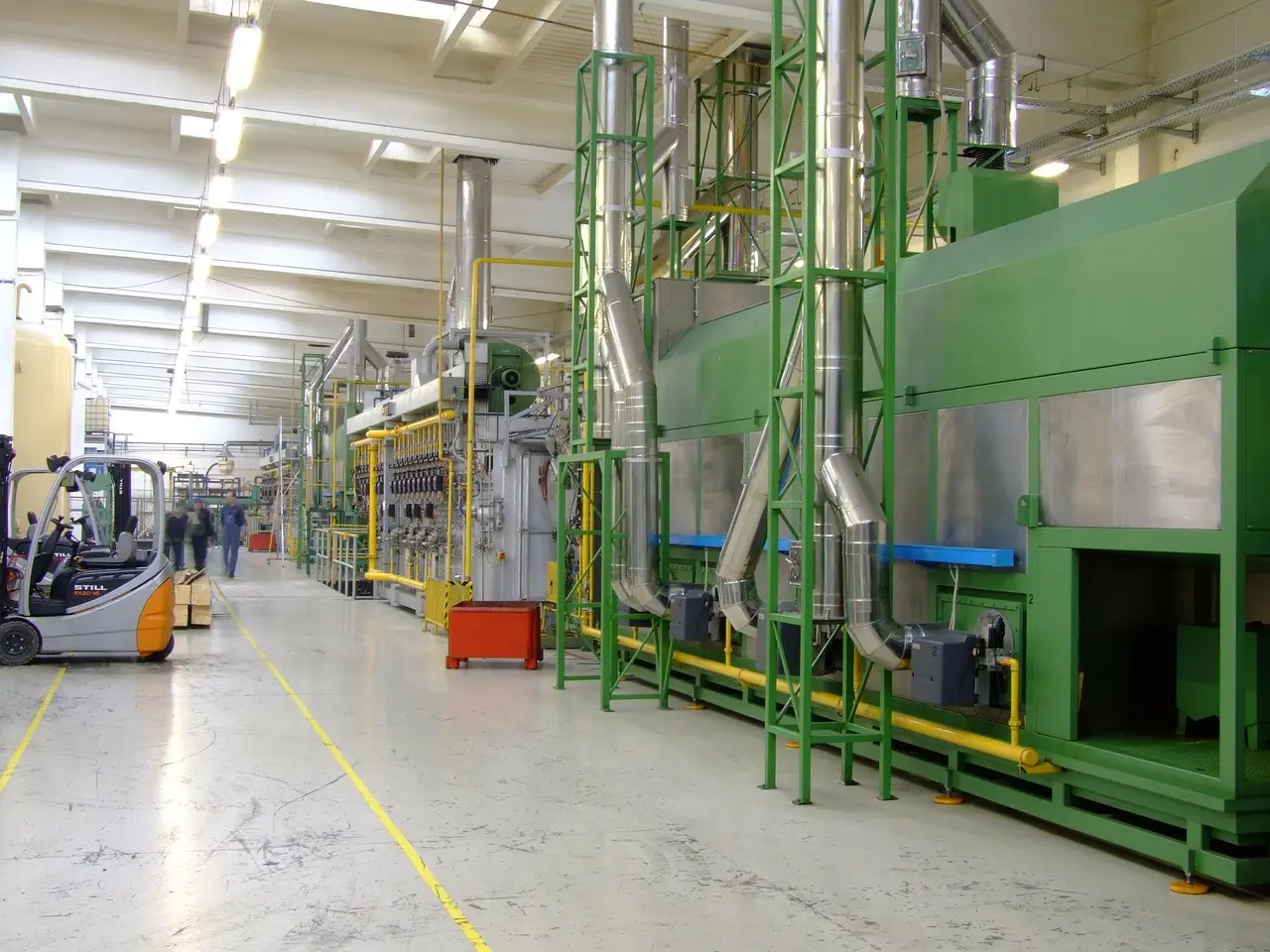
The factory data carried a clear split between traditional industry and the technology supply chain. Manufacturing output rose 5.4% overall, and equipment manufacturing grew 10.6%. Output of industrial robots jumped 26%. Lithium-ion battery production climbed 30%. High-tech manufacturing output rose 17.6% year on year, by far the strongest reading in the release. Mining output grew just 0.7%.
For semiconductor and electronics suppliers, the robot and battery numbers signal that capital-goods demand inside China remains firm even as consumer demand stalls. Retail sales of communication equipment by larger enterprises rose 6.5%, one of the few bright spots on the consumer side. Total retail sales of consumer goods reached 41.6 trillion yuan over ten months, up just 1.0%.
Where is the weakness concentrated?
Consumption was soft across every category. Urban retail sales rose 0.2% and rural sales 1.5%. Goods sales grew 0.3%; catering grew 0.7%.
Investment is the larger drag. The details break down as follows:
- Real estate development investment fell 21.6%.
- Private investment fell 11.4%.
- Infrastructure investment fell 5.1%.
- Manufacturing investment fell 2.9%.
- Intellectual property products investment rose 9.2%.
Excluding property, fixed-asset investment fell 5.1%. Floor space of new commercial buildings sold dropped 13.7%, and sales value fell 14.3%. The property slump continues to suppress demand for construction-linked materials such as steel and iron ore.
The urban surveyed jobless rate eased to 5.1% from 5.2% in September.
How strong are exports and prices?
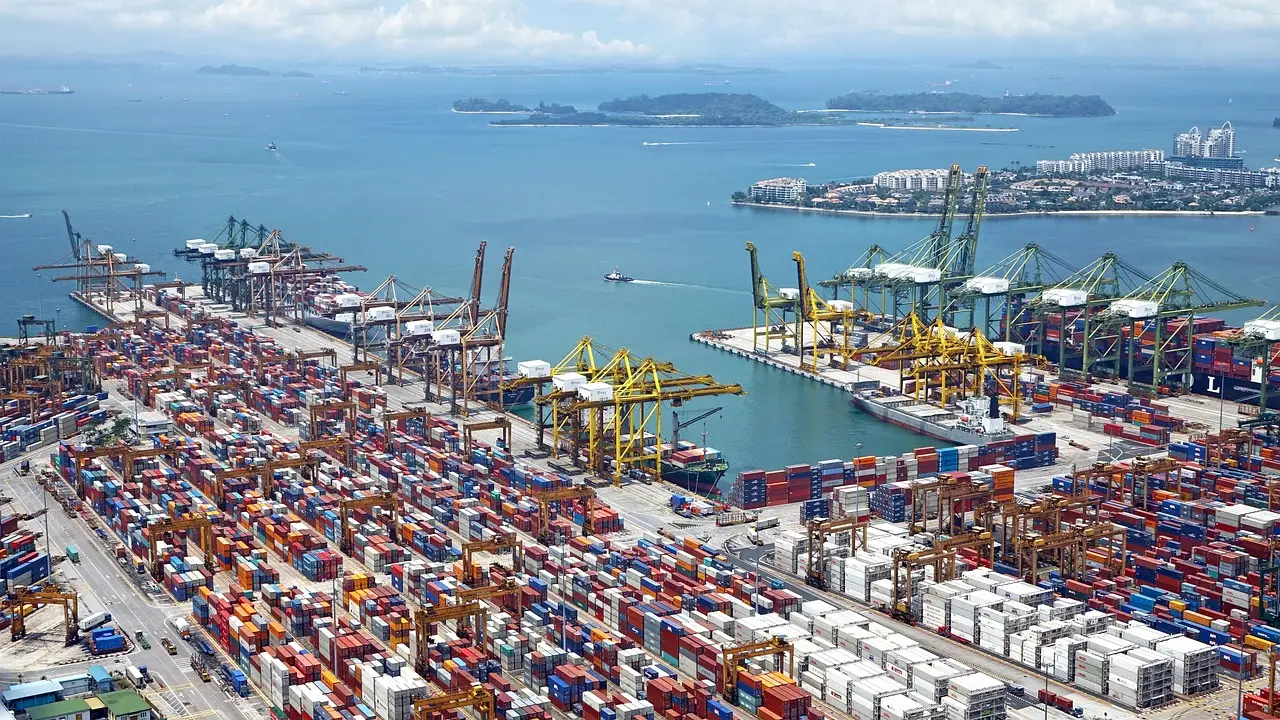
Trade remained the strongest part of the economy. Exports rose 28.7% year on year in yuan terms in October, and imports rose 34.7%, the NBS said, citing customs data. Producer prices rose 5.7%, 0.7 percentage point faster than in September — an input-cost signal for component buyers. Consumer prices rose 0.7%, and core CPI rose 0.8%.
The NBS called the economy "generally stable" but said "the domestic imbalance between strong supply and weak demand is acute" and that some companies face operating difficulties. CNBC reported that analysts warn growing reliance on external demand drivers is deepening structural imbalances.
What does this mean for chip and tech suppliers?
Weak Chinese household spending is a headwind for US companies selling into China, from carmakers to consumer brands. Tesla's domestic China sales were already at a four-year low in October. For chipmakers, the pattern is double-edged: high-tech manufacturing output up 17.6% and robot production up 26% point to sustained industrial demand, while 0.4% retail growth limits the consumer-device replacement cycle.
The data landed three days before President Trump, Xi Jinping and Vladimir Putin were set to meet at APEC on Thursday, after US and Chinese officials had discussed tariff cuts and farm purchases. With exports carrying growth and producer prices accelerating, suppliers to China's equipment sector will watch whether Beijing's demand-side stimulus arrives before the external engine slows.
Source: mlq.ai
More from Grace Kim
Show full bio
Market editor covering people, launches and day-to-day practice in Semiconductors, chip manufacturing, hardware, AI compute at Chip Dispatch.
1,035 articles
Related articles
china-s-chip-exports-surge-137-as-ai-demand-reshapes-trade
China's Chip Exports Surge 137% as AI Demand Reshapes Trade
china-s-trade-surplus-passes-1-trillion-as-ai-hardware-fuels-exports
China's Trade Surplus Passes $1 Trillion as AI Hardware Fuels Exports
china-chip-exports-jump-136-to-45-billion-as-ai-demand-lifts-prices-2aede3be
China Chip Exports Jump 136% to $45 Billion as AI Demand Lifts Prices
china-chipmakers-post-strong-nine-month-earnings-on-ai-demand-5b06f8b0
China Chipmakers Post Strong Nine-Month Earnings on AI Demand