AI & Compute · 3 min read
Datum starts Nvidia B300 AI services at SATO’s 20 MW Quebec site
SATO subsidiary Qritical AI welcomed Datum as its first AI customer at a hydro-powered Quebec site, deploying customer-supplied Nvidia B300 servers while bitcoin mining continues elsewhere.
Key takeaways
- Qritical AI named Datum its first AI customer and handed over the Nvidia B300 environment on Nov. 12, 22 days after signing.
- Datum began customer deliveries on Nov. 16, including service to an AI coding startup and an inference platform.
- The Oct. 21 master services agreement and initial service order had no disclosed financial terms, length or GPU count.
- The 20 MW Joliette site continues bitcoin mining in other halls while a former mining hall hosts AI.
- SATO may convert more capacity to AI and is talking with prospects, but gave no assurance of further agreements.
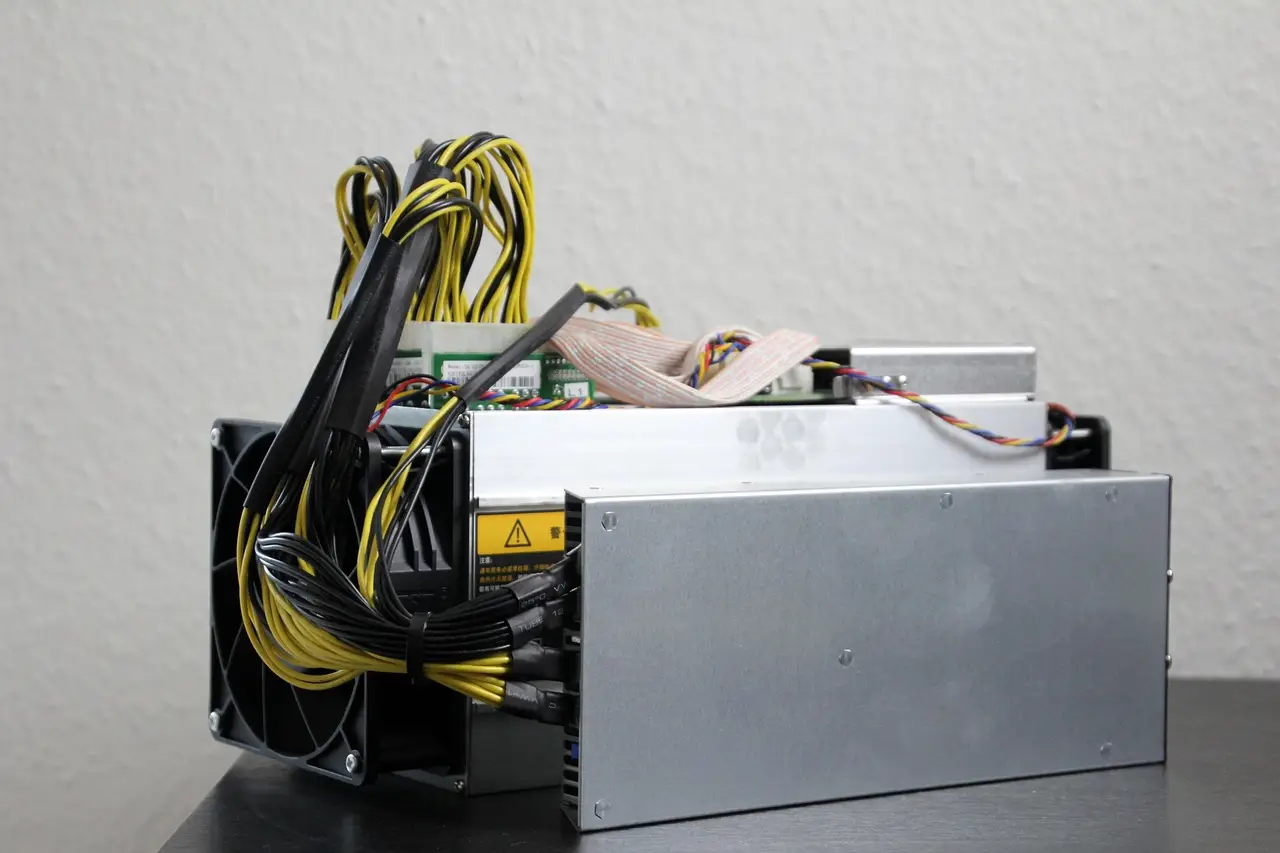
Qritical AI, a subsidiary of Canadian bitcoin miner SATO Technologies, handed over an Nvidia B300 GPU environment to neocloud Datum Technology on Nov. 12, 22 days after signing.
The Nov. 23 announcement from SATO, listed on the TSX Venture Exchange, named Datum as Qritical's first AI customer. The companies signed a master services agreement and initial service order on Oct. 21 at SATO's hydro-powered site in Joliette, Quebec.
What does the agreement cover?
The companies did not disclose financial terms, contract length, number of GPUs or dedicated AI power capacity. The disclosed 20 MW rating covers the entire Joliette facility, not a confirmed figure for the AI deployment. A larger AI buildout remains a stated possibility, not an operating specification.
Datum installed its own Nvidia B300 GPU servers in a dedicated, access-controlled zone. Qritical provides the space, power and on-site support. That split leaves Datum's servers inside SATO's site while Qritical operates the infrastructure around them.
The deployment marks a partial conversion, not an exit from bitcoin mining. SATO continues mining in the facility's other halls. The first AI installation reuses one hall whose prior use was bitcoin mining, while mining continues elsewhere within the larger mixed-use industrial site in Quebec.
How quickly did the service go live?
Datum began delivering GPU capacity to its customers on Nov. 16, four days after Qritical handed over the environment. Its customers include an AI coding startup and an inference platform. The announcement did not identify either customer or report usage, revenue or utilization levels.
That timeline leaves 26 days from the Oct. 21 agreement to first customer delivery. Qritical's handover came on day 22, and Datum began customer deliveries four days later. The dates confirm that Datum installed its own B300 systems while Qritical prepared the dedicated physical space, electrical service and on-site support for the customer deployment.
DatacenterDynamics reported the arrangement on Nov. 25. SATO had announced it two days earlier, on Nov. 23, describing Datum as Qritical AI's first AI customer.
How much additional AI capacity is possible?
SATO said it may convert more of the site's capacity to AI over time. It is also in talks with other prospective AI customers. The company gave no assurance that those discussions would produce definitive agreements, and announced no conversion schedule or additional GPU count.
The company framed the opportunity around Quebec's power supply. “AI needs clean, stable power, and Québec has it,” SATO CEO Romain Nouzareth said. The hydro-powered Joliette site gives Qritical a commercial proposition built around reliable electricity, while continued mining leaves capacity serving bitcoin production.
That pitch remains untested at scale because the first customer contract has no published value or duration, while the announcement supplies no pricing for prospective buyers. It also does not establish how many B300 systems Datum operates or how much of the site's 20 MW remains available for new AI work.
Those missing figures prevent an estimate of Qritical's AI revenue or the site's effective GPU capacity. No contract value, revenue forecast or confirmed expansion beyond the first customer appears in the announcement. Any larger AI deployment remains conditional on customer commitments and site conversion.
Who founded Datum?
Datum was co-founded by Zachary Smith and Jacob Smith. The pair previously co-founded bare-metal cloud company Packet, which Equinix acquired in 2020. SATO identifies both men as shareholders and strategic advisers.
The founders bring prior experience from Packet's bare-metal cloud business, while their current SATO shareholder and adviser roles connect Datum directly to the site operator. The announcement does not disclose their individual holdings or the customer agreement's pricing.
The next commercial test is whether Qritical can sign additional AI customers and convert more site capacity from mining to GPU services. Pricing, contract duration and expansion scale remain undisclosed.
Until those figures emerge, the 20 MW site represents a starting operating base rather than confirmed AI capacity, and Datum's B300 service remains a first deployment rather than a measured neocloud business.
mlq.ai (Source)
More from Grace Kim
Show full bio
Market editor covering people, launches and day-to-day practice in Semiconductors, chip manufacturing, hardware, AI compute at Chip Dispatch.
1,302 articles