Everspin Posts Record $20.6 Million Quarter as MRAM Demand Grows
Everspin grew Q3 revenue 47 percent to a record $20.6 million on data center, RAID storage and defense demand, with MRAM demand steady after the stock's May correction.
- By
- Tom Whitfield
- Filed
- Channel
- Memory & Storage
- Read
- 3 min read
Everspin Technologies posted record third-quarter revenue of $20.6 million, up 47 percent year over year, as demand for its magnetoresistive random access memory chips strengthened in data center and storage markets. The figure stands out because the growth did not come from the AI memory boom that lifted HBM and DRAM suppliers, but from niche industrial applications where MRAM solves a specific problem.
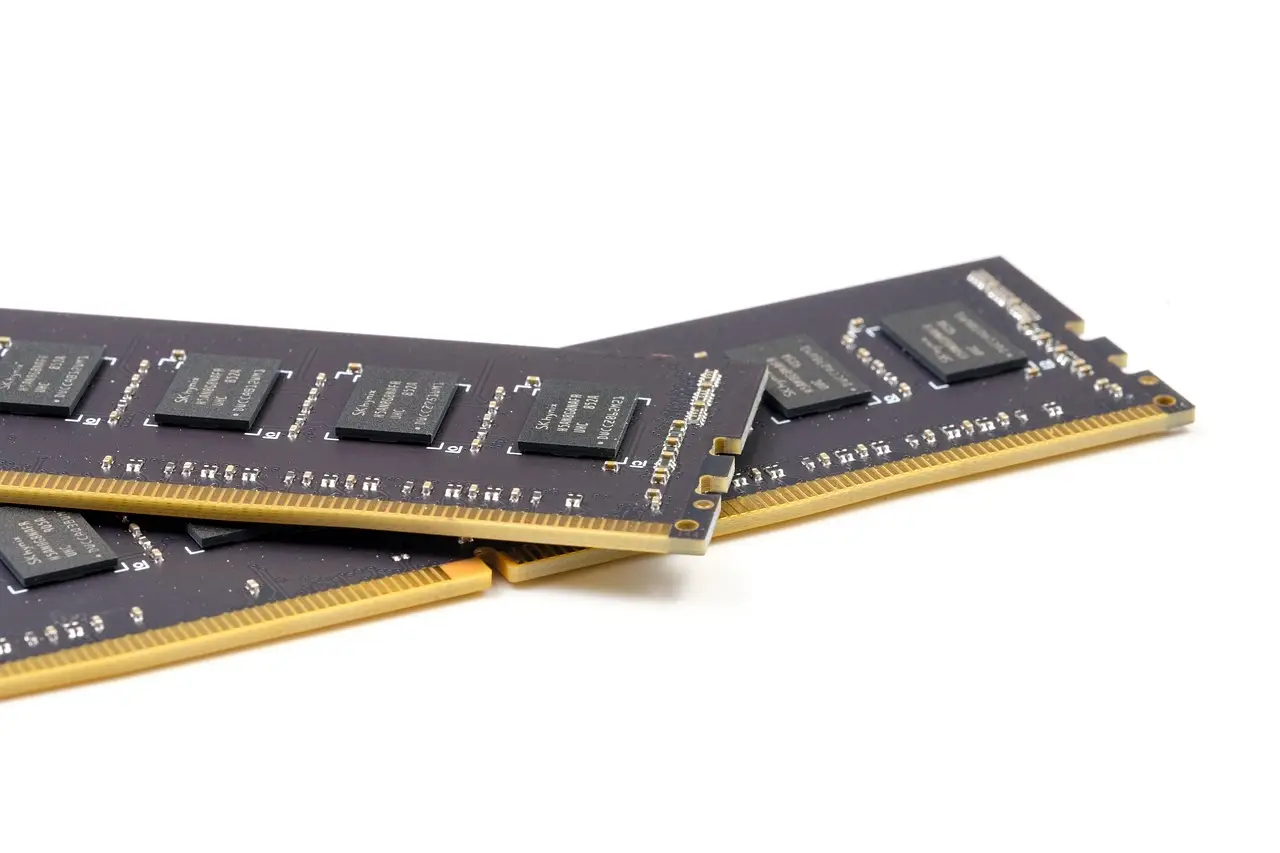
Everspin, which trades under the ticker MRAM, was founded in 2008 as a spin-off from Freescale. The company designs and manufactures MRAM chips, a memory technology that stores data magnetically rather than with electrical charge. That structural difference gives MRAM properties that other memory types lack, and it defines where the company sells.
Why MRAM grows without AI exposure
The analyst report behind this story rates Everspin a buy, with a price target implying roughly 17 percent upside through fiscal 2027. The thesis rests on attractive risk-reward after a sharp correction that followed a peak in May. In plain words: the speculative froth left the stock, but the operating business kept improving.
Growth is driven by niche memory demand, particularly in data center and RAID storage controllers, rather than by direct AI exposure. Peers selling high-bandwidth memory and conventional DRAM rode hyperscaler capital spending on AI accelerators. Everspin instead sells into systems that need nonvolatile memory with fast write endurance and reliable behavior at power loss. RAID storage arrays and data center equipment fit that profile.
The quarter also received a boost from a significant defense contract, which lifted licensing and services revenue alongside robust product sales. Product revenue reflects shipped chips; licensing and services reflect design wins and technology deals, and both moved in the right direction in the period.
What supports the numbers
The report points to healthy liquidity and a disciplined cost structure as the foundation of the investment case. A company with cash on hand and controlled spending can fund product development through demand cycles without diluting shareholders or taking on debt.
The correction since May matters for valuation. A stock that falls sharply while revenue rises creates a gap between price and fundamentals, and that gap is the source of the estimated 17 percent upside to the fiscal 2027 target.
Where the risks sit
The analyst flags three main concerns, and each one has a mechanical explanation:
- Customer concentration. A large share of revenue depends on a small number of buyers, so one lost order can move results materially.
- Substitution-driven growth. Some MRAM shipments replace other memory technologies rather than open new markets, which caps the addressable opportunity.
- Legal costs. Ongoing litigation expenses weigh on margins regardless of how the underlying memory business performs.
None of these risks breaks the thesis, according to the report, but they explain why the stock corrected and why the target implies 17 percent upside rather than a dramatic re-rating.
The mechanism behind the story
The useful lesson is about how memory markets split. AI infrastructure spending concentrates on a few product families — HBM stacks, high-capacity DRAM, NAND — and it pulls supplier revenue up with it. Everspin sits outside that pull. Its chips serve corners of the market where the buyer needs persistence, endurance and instant write behavior more than raw bandwidth.
That position cuts both ways. Everspin missed the AI multiple expansion that its memory peers enjoyed, which is part of why the stock corrected after May. It also means the company's record $20.6 million quarter reflects genuine end demand in data center and storage, plus a defense contract, rather than a cyclical spike that can reverse when hyperscaler spending pauses.
The takeaway from the quarter: a small memory maker with 47 percent revenue growth, a clean balance sheet and identifiable risks can offer better risk-reward than the names carrying AI expectations. If data center and RAID demand holds and the defense contract converts into recurring licensing revenue, the path toward the fiscal 2027 target depends on execution rather than on market sentiment.
Source: seekingalpha.com
More from Tom Whitfield
Show full bio
Staff writer covering companies, deals and strategy in Semiconductors, chip manufacturing, hardware, AI compute at Chip Dispatch.
921 articles
Related articles
memory-to-hit-62-of-chip-revenue-techinsights-says
Memory to Hit 62% of Chip Revenue in 2027, TechInsights Says
samsung-reports-ninefold-profit-jump-in-q3-on-ai-chip-demand-ac38675b
Samsung Reports Ninefold Profit Jump in Q3 on AI Chip Demand
ai-chip-boom-lifts-samsung-to-record-80-billion-profit-b7486f9e
AI Chip Boom Lifts Samsung to Record $80 Billion Profit
apple-s-memory-bill-climbs-33-billion-as-ram-prices-surge-into
Apple's Memory Bill Climbs $33 Billion as RAM Prices Surge Into 2027