AI & ComputeLOT 261120 · 4 min read
Five Grid Operators File Diverging Data Center Power Plans With FERC
PJM, MISO, NYISO, ISO-NE and CAISO filed competing rules for connecting data centers, with curtailment triggers from $100 to $250 per MWh and start dates spanning 2027 to 2029.
Key takeaways
- Five grid operators filed large-load interconnection plans with FERC by Nov. 16; SPP's deadline is Nov. 20.
- Curtailment price triggers range from $100/MWh at MISO to $250/MWh at ISO-NE.
- PJM's Fast Energization cycle would start in late November 2027 and define large loads at 50 MW.
- MISO's GRITS service would not be implemented before Jan. 1, 2029.
- DTE Energy faces a $474 million rate ruling in February tied partly to an Oracle data center.
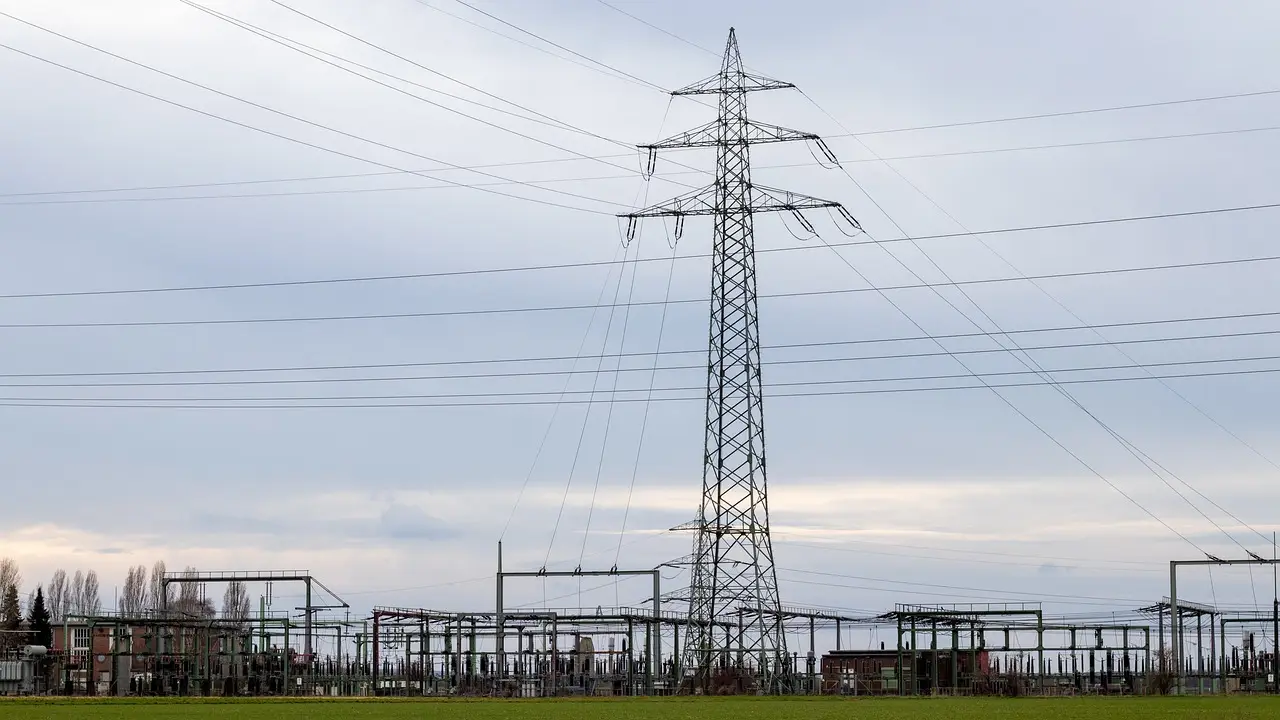
Five of the six largest US grid operators outside Texas have filed competing blueprints with federal regulators for connecting data centers and other giant electricity users, and the answers diverge on nearly every design choice. PJM, MISO, CAISO and NYISO filed on Nov. 16; ISO New England filed on Nov. 13, POWER magazine reported Thursday.
The filings answer show-cause orders the Federal Energy Regulatory Commission issued on June 18. FERC preliminarily found existing regional tariffs may be unjust, unreasonable or unduly discriminatory toward large loads. It set a Nov. 16 deadline for five operators and Nov. 20 for SPP. The proceedings run alongside FERC's broader large-load rulemaking in docket RM26-4-000.
All five operators offer non-firm or interim service so large loads can connect before network upgrades are built. Curtailment triggers range from $100/MWh at MISO to $250/MWh at ISO-NE.
What did each operator propose?
- PJM: Fast Energization process, main start date November 2027.
- MISO: GRITS firm/non-firm service, $100/MWh trigger, implementation no earlier than January 2029.
- NYISO: Firm/non-firm withdrawal service, $200/MWh trigger, effective February 2027.
- ISO-NE: Bring Your Own New Capacity, $250/MWh trigger, new services June 2028.
- CAISO: Flexible Interim Load Interconnection, effective February 2027.
PJM, which runs the largest grid, would replace its three study phases with two screening rounds of about four months each plus one system impact study. Generation and load requests fold into a single 12-month cycle starting in late November 2027. PJM defines a Large Computational Load as 50 MW or more, with at least 25 MW served through power electronics, and sets ride-through requirements from Jan. 16, 2027. It also proposes a 50 MW daily limit on behind-the-meter netting. "The Fast Energization Process moves PJM away from identifying specific upgrades and tying them to specific projects," the filing says.
MISO pairs interim network service, with an option to step up to firm service, with its new GRITS product. Non-firm GRITS service is interrupted when locational marginal prices exceed $100/MWh. In MISO's example, a 500 MW facility could take 200 MW firm and 300 MW non-firm. MISO asked for a March 16, 2027 effective date.
NYISO proposes 15-year co-located and partner resource arrangements, a $200/MWh bid cap for non-firm service and a reliability fee on non-firm quantities. Procedures take effect Feb. 1, 2027; the first study cycle runs July 1, 2027.
ISO New England would require new large loads to bring their own new capacity. Its $250/MWh Large Load Re-Dispatch Price was reached in about 1% of hours from 2021 to 2025, according to POWER. Applications open June 1, 2027.
CAISO argues no customer-specific generation requirement is needed because resource adequacy stays with load-serving entities. It noted that "the CAISO has no centralized forward capacity market."
Where do the plans split?
The sharpest divide concerns who supplies the power. ISO-NE puts the burden on the new customer. CAISO leaves it with utilities. PJM has transmission owners proposing a separate cost-allocation method. Timelines also differ: NYISO and CAISO want most changes in place by early 2027, while MISO's new service would not run before 2029.
The filings arrive as PJM's capacity costs draw scrutiny. Consumer advocates from seven states and PJM's market monitor this week asked to delay the December capacity auction over data center load forecasts. NERC said the grid enters winter in better shape but with gas supply risk in a long cold snap.
What is Michigan doing separately?
States are writing their own rules. Michigan governor-elect Jocelyn Benson, who takes office in January, has pledged no residential subsidies for data centers and performance-based standards for utility profits, Latitude Media reported. Advocates expect her to seek a pause on new data center construction until cost, land, water and disclosure guardrails exist. A legislative package is expected in early 2027.
The Michigan Public Service Commission has already required some protections so data center costs are not passed to other customers, and will rule in February on DTE Energy's $474 million rate request. DTE said it will pause future rate requests for two years if its first data center project, built for Oracle, comes online on schedule by end of 2027.
FERC must now reconcile five incompatible designs. How it rules will shape which regions attract hyperscale construction, and on what price terms.
mlq.ai (Source)
More from Grace Kim
Show full bio
Market editor covering people, launches and day-to-day practice in Semiconductors, chip manufacturing, hardware, AI compute at Chip Dispatch.
1,170 articles