GM Targets 20% More Factory Automation by 2028, Builds Own Robots
GM plans 20% more automation at North American plants by 2028, builds its own mobile robots in Kokomo, Indiana, and scores suppliers' automation plans in contract decisions.
- By
- Rebecca Stone
- Filed
- Channel
- Hardware & Components
- Read
- 3 min read
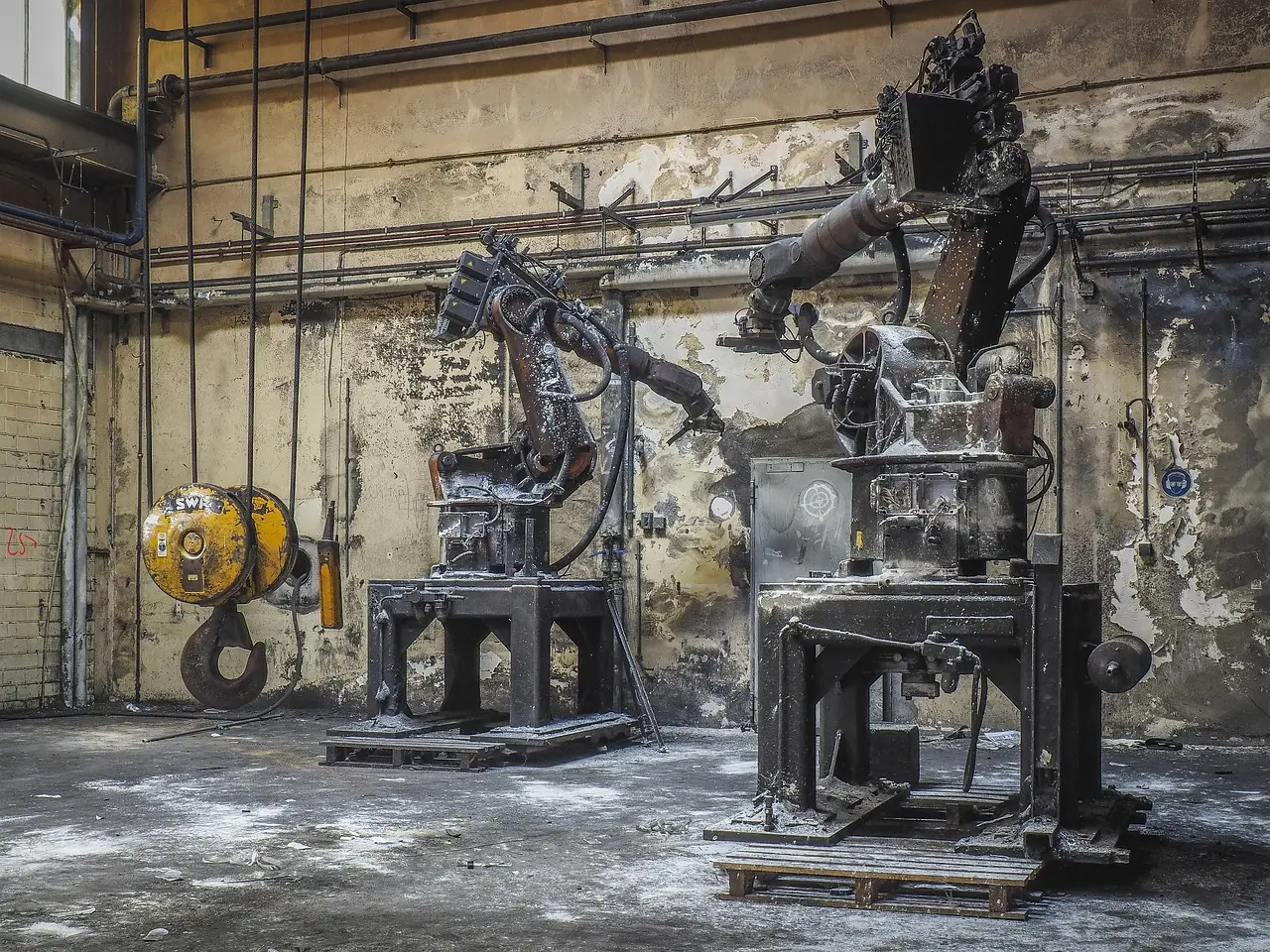
General Motors plans to lift robots and other automation at its North American factories by 20% by 2028, Reuters reported on Nov. 17, citing two people familiar with the matter. The target is unconfirmed by the company. But the machinery behind it is already real: GM designs and assembles its own robots at its plant in Kokomo, Indiana.
GM didn't confirm the number. In a statement, it said it uses automation to improve safety, quality and efficiency, and deploys the technology in ways that support its manufacturing teams as global competition intensifies.
What is GM actually building in Indiana?
The in-house work centers on autonomous mobile robots — machines that carry parts through a factory floor, per the Reuters report. Kokomo is where they take shape. GM hasn't gone fully vertical, though: the automaker still buys robotics equipment from outside suppliers.
The team behind the effort is sizable. GM's robotics development group counted roughly 100 roboticists, AI engineers and hardware specialists last year, according to the report. That's a serious bench for a company whose core business is cars, not cobots.
How does the push reach GM's suppliers?
The automation drive extends beyond GM's own plants. Parts suppliers bidding for new contracts must now submit automation plans, the sources told Reuters. GM scores those plans on a scorecard and weighs the results in its contract decisions.
In practice, that means a supplier's willingness to automate can help win or lose GM business. Mikell Taylor, GM's director of robotics strategy, framed the underlying challenge plainly: manufacturers have to design processes that combine workers and machines effectively.
Why now? Labor costs and the 2028 deadline
The timing is not accidental. U.S. automakers have added automation since the United Auto Workers won higher pay in its 2023 contracts. GM has said that contract adds about $575 in labor costs per vehicle. Ford has put its own figure at about $900 per unit.
Those labor bills stack on top of other pressures. Automakers are also absorbing higher commodity costs and the expense of shifting supply chains to the U.S., Reuters reported.
The 2028 endpoint of GM's automation target matches another deadline. The UAW's contracts with GM, Ford and Stellantis all expire in 2028, and UAW President Shawn Fain has warned that AI and increased automation threaten workers' jobs. GM's 20% push would land just as the next round of bargaining begins — a coincidence nobody in Detroit is likely to miss.
Who else is automating?
GM isn't moving alone. Rivian CEO RJ Scaringe said this month that machines from his Mind Robotics venture would take on 20% of factory tasks first, MLQ.ai reported. Supplier Magna is targeting a near-tripling of its robotics and data center sales. The whole North American auto supply base, it seems, is racing the same direction at once.
What comes next?
The confirmed facts — a 20% automation target by 2028, in-house mobile robots in Kokomo, a 100-person robotics team, supplier automation scorecards — sketch a company restructuring how it builds cars. Whether the target survives contact with the 2028 UAW negotiations, and whether suppliers' automation plans can move as fast as GM's scorecards demand, will shape the competitive dynamics of the next contract cycle.
Source: mlq.ai
More from Rebecca Stone
Show full bio
Correspondent covering technology and product news in Semiconductors, chip manufacturing, hardware, AI compute at Chip Dispatch.
1,096 articles
Related articles
robotaxi-fleet-to-quadruple-toward-331-000-reshaping-adas-chip-demand-cf5a137c
Robotaxi Fleet to Quadruple Toward 331,000 by 2031, Reshaping ADAS Chip Demand
teslas-7-4-mw-powercore-transformer-targets-three-markets
Tesla’s 7.4 MW Powercore transformer targets three markets
foxconn-buys-sony-s-automotive-camera-module-business-for-45-5-million
Foxconn Buys Sony's Automotive Camera Module Business for $45.5 Million
musk-says-faa-rejected-free-starlink-terminals-before-ground-stop
Musk Says FAA Rejected Free Starlink Terminals Before Ground Stop