Musk Says FAA Rejected Free Starlink Terminals Before Ground Stop
Musk says the FAA declined free Starlink terminals before the Nov. 13 ground stop; Duffy blames an L3Harris router job and wants billions for a new network.
- By
- Tom Whitfield
- Filed
- Channel
- Hardware & Components
- Read
- 3 min read
Elon Musk said on Nov. 16 that SpaceX offered the Federal Aviation Administration free Starlink terminals before the Nov. 13 nationwide ground stop, and that Transportation Secretary Sean Duffy declined them. "Free Starlinks for FAA were offered to Sec Duffy, but he said they were not needed. As it turns out, they were," Musk wrote on X at about 4:47 p.m. ET, quoting his own February 2025 post about the FAA's communications system.
Musk gave no date for the offer and no figure for the number of terminals involved. The FAA did not immediately respond to a request for comment from Benzinga, and neither the agency nor the Department of Transportation had publicly addressed the claim. The post landed three days after a malfunction grounded flights across the United States.
What caused the Nov. 13 ground stop?
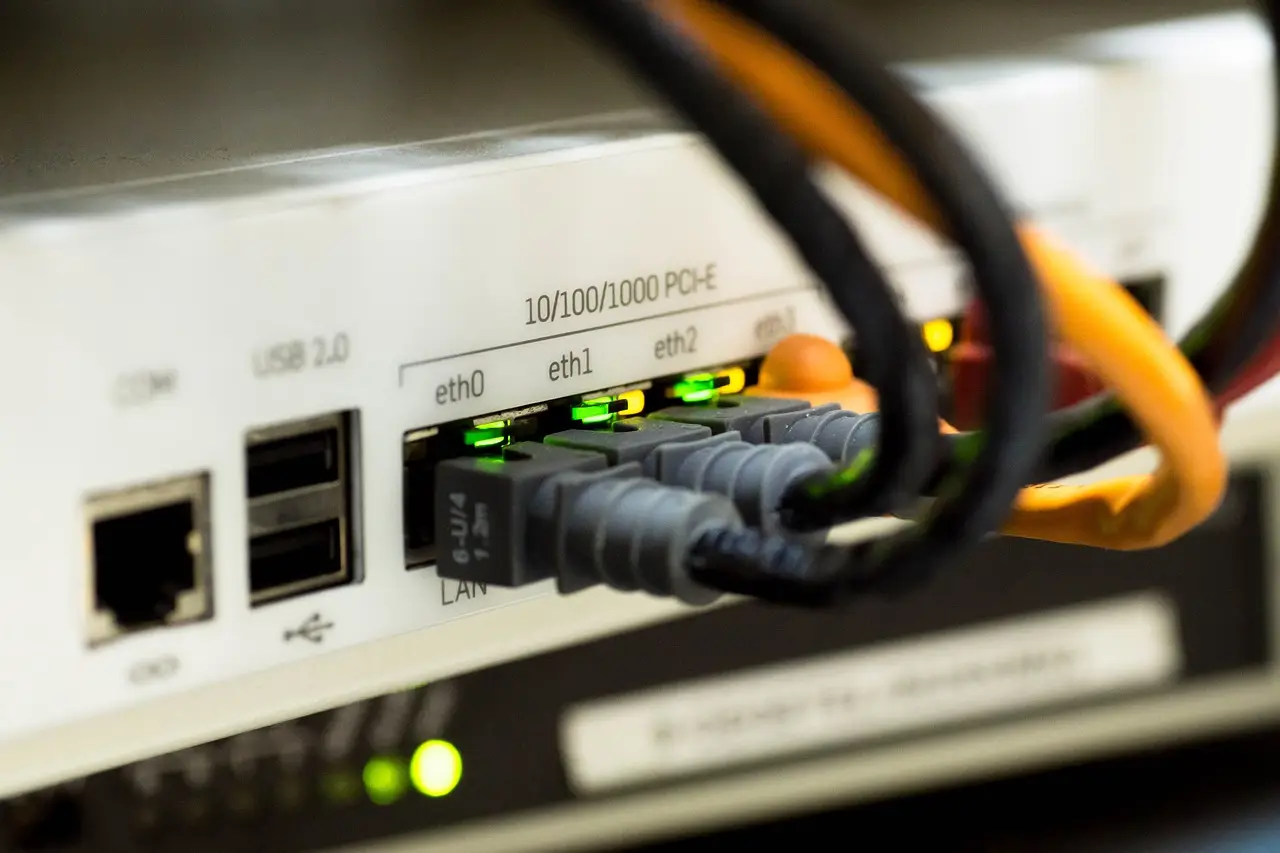
Duffy has tied the outage to a router installation performed by FAA contractor L3Harris Technologies, while investigators determine whether the trigger was human error, a faulty device, or something else. He said the new equipment flooded other FAA sites with more than 1,000 connection attempts every four to five seconds, according to Benzinga. That flood disrupted communications with aircraft and radar.
The concrete mechanism, in plain terms: one piece of network equipment generated enough traffic to break the links controllers rely on, and the failure spread wide enough to stop every U.S. flight. L3Harris has said it is supporting the FAA's investigation. The takeaway is that a single router job can take down a national air traffic system.
Why can the FAA not just cancel the L3Harris deal?
Speaking on NBC's Meet the Press on Sunday, Duffy explained the contractual lock-in. "L3Harris decades ago got the contract to run and own the network that operates communication for the FAA. They own the network," he said.
He added that he is "asking for billions of dollars from Congress to build a brand-new architecture of a network, by the best companies in the world including AT&T, Verizon and Lumens." Democrats in Congress have asked why only a fraction of the money already approved has been spent, The Hill reported. The FAA has since paused installation of new routers. The core point: the government cannot switch providers overnight because the incumbent owns the physical network.
What was the earlier Starlink dispute?
The FAA began testing Starlink terminals in 2025, and Duffy at that time described Starlink as "part of the solution" rather than a replacement for the agency's network, Reuters reported, as cited by Benzinga.
In a letter to lawmakers reported by Reuters, FAA Administrator Bryan Bedford stated the agency had not considered replacing its telecom contract holders, L3Harris and Verizon, with SpaceX. He wrote that the FAA "would not use Starlink (or any satellite service) as the sole communications technology for safety-critical air traffic services." At the time, the FAA was testing a few dozen Starlink terminals through its L3Harris-managed telecom program, Reuters said.
The history matters because Musk's Nov. 16 post revives a debate the agency had already settled in writing: satellites as backup, not as the sole lifeline for safety-critical traffic control.
With the router installs paused, an investigation open, and a multi-billion-dollar network rebuild pending in Congress, the fight over who supplies the FAA's communications is set to move from social media posts to appropriations hearings.
Source: mlq.ai
More from Tom Whitfield
Show full bio
Staff writer covering companies, deals and strategy in Semiconductors, chip manufacturing, hardware, AI compute at Chip Dispatch.
1,054 articles
Related articles
faa-ground-stop-traced-to-1980s-era-routers-50b-fix-requested
FAA Ground Stop Traced to 1980s-Era Routers, $50B Fix Requested
faa-pauses-juniper-router-installations-after-nationwide-ground-stop
FAA Pauses Juniper Router Installations After Nationwide Ground Stop
musk-s-474-million-texas-bet-meets-a-blue-wave
Musk's $474 Million Texas Bet Meets a Blue Wave
eight-outages-in-six-days-faa-microsoft-365-nsa-net-and-apple-fall
Eight Outages in Six Days: FAA, Microsoft 365, NSA Net and Apple Fall