Infineon Opens Major Semiconductor Plant in Thailand
Infineon has opened a major semiconductor plant in Thailand, extending its Asian manufacturing footprint alongside fabs in Europe and Malaysia as power-chip demand grows.
- By
- Grace Kim
- Filed
- Channel
- Chip Manufacturing
- Read
- 2 min read
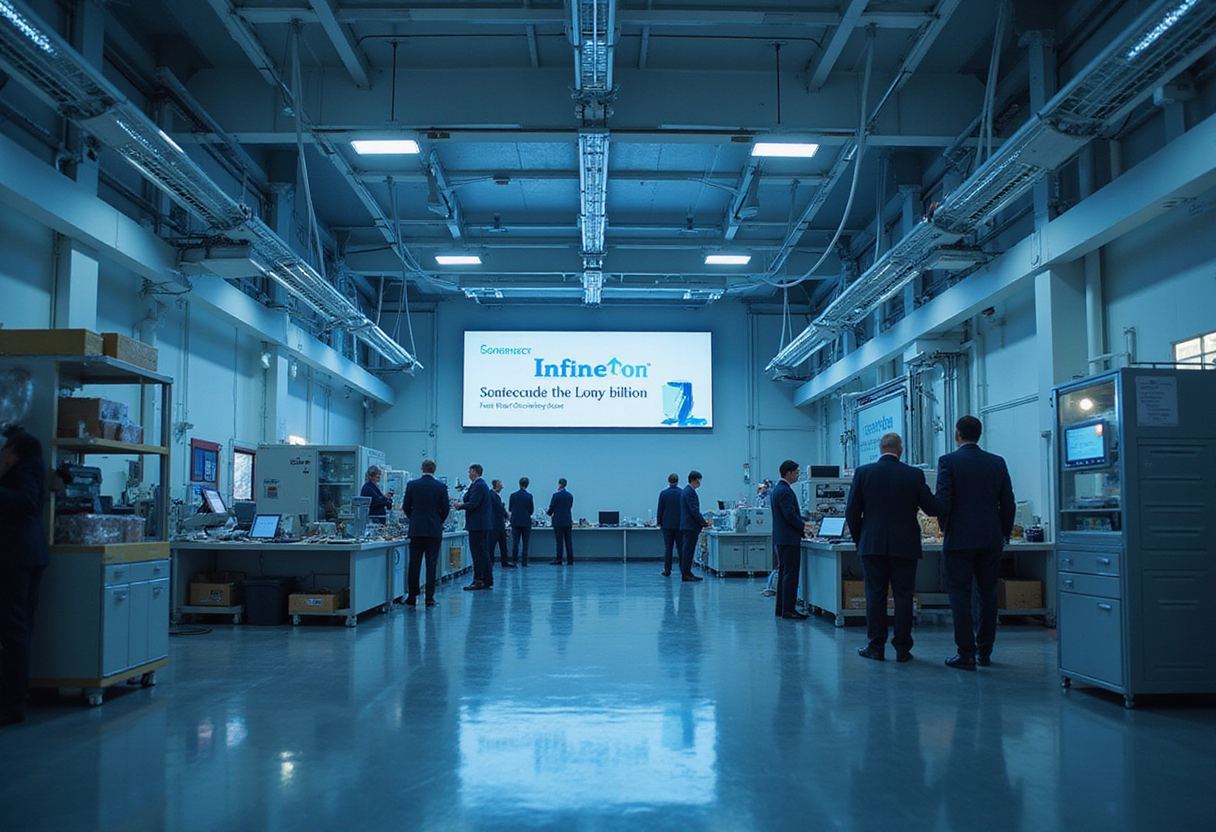
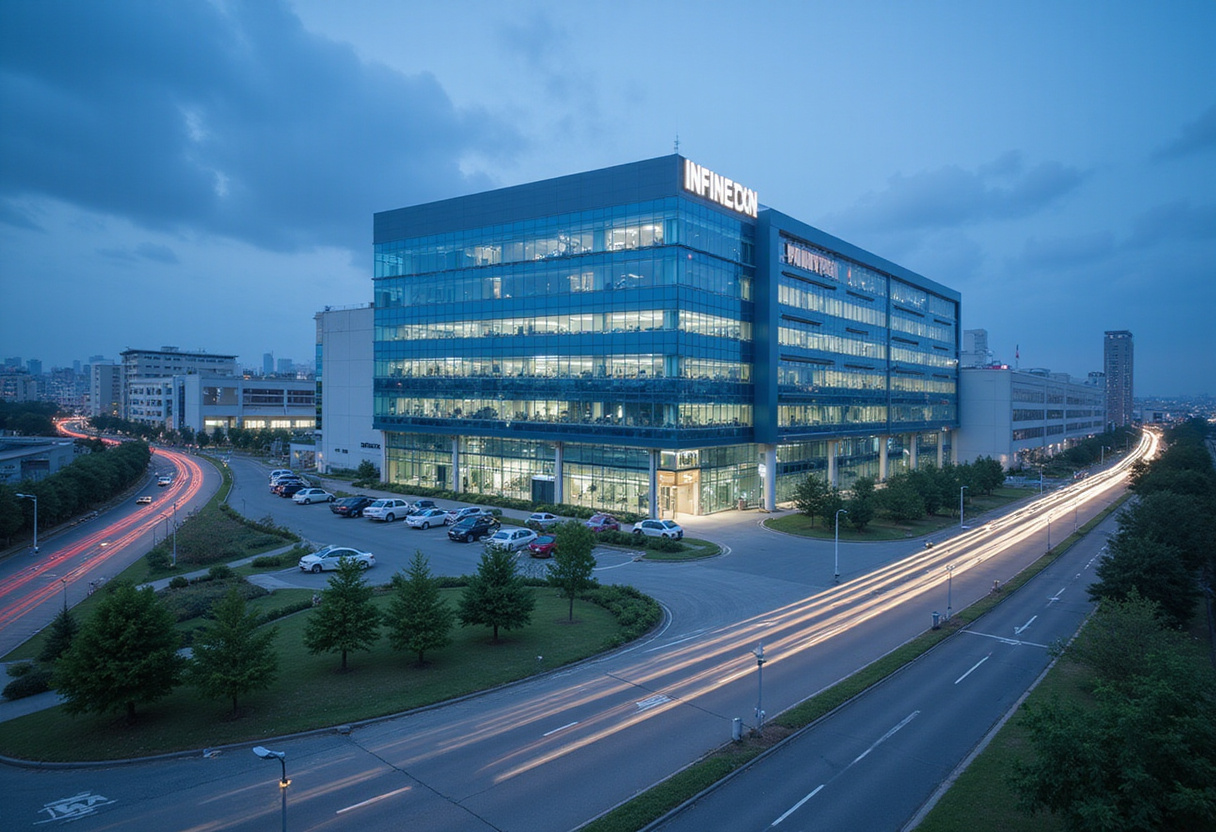
Infineon Technologies has officially opened a major semiconductor manufacturing plant in Thailand, adding new Asian capacity to a production network that already spans Europe and Malaysia.
The German chipmaker confirmed the plant's opening through a report by trade publication gasworld. Infineon has not yet disclosed detailed capacity figures, wafer sizes, or headcount for the new site in its announcement coverage, which marks the opening as a milestone in the company's ongoing manufacturing expansion.
Why is Infineon expanding in Thailand?
The new plant extends Infineon's manufacturing footprint at a time when power semiconductors — the company's core product family — sit at the center of global supply chain realignment. Infineon is the world's largest maker of power semiconductors, including IGBTs, MOSFETs, and silicon-carbide devices used in electric vehicles, industrial drives, and renewable energy infrastructure.
Thailand gives Infineon a third major production geography alongside its European fabs and its large-scale operations in Kulim, Malaysia, where the company has been building wide-bandgap capacity. Southeast Asia has become a preferred destination for chipmakers seeking to diversify assembly and test operations beyond Taiwan and China.
What do we know — and not know — about the site?
Confirmed so far:
- Infineon has opened the plant, described as a major semiconductor facility in Thailand.
- The site strengthens Infineon's Asian manufacturing base for its power-semiconductor portfolio.
Not yet disclosed in the announcement coverage:
- The plant's rated capacity or wafer output.
- The specific process technologies or product lines assigned to the site.
- Total investment value and projected staffing levels.
- A production ramp timeline with dated milestones.
Infineon typically discloses these details in staged briefings following plant openings, so analysts will watch the company's next financial reporting cycle for concrete figures.
How does the plant fit Infineon's broader strategy?
Infineon's expansion decisions track demand from automotive and industrial customers, which generate the bulk of its revenue. Electric-vehicle production and grid modernization both drive sustained demand for power management chips, and adding assembly and test capacity closer to Asian customers shortens supply lines to major EV and electronics manufacturers concentrated in the region.
The Thailand site also reflects a broader industry pattern: semiconductor companies are spreading final-stage manufacturing across multiple geographies to reduce exposure to single-country disruptions, shipping bottlenecks, and export-control risk. For Infineon specifically, a Thai plant complements rather than replaces its European and Malaysian operations.
What comes next?
Watch for Infineon to publish investment figures, employment numbers, and product allocation for the Thai site in upcoming investor communications — disclosures that will clarify whether the plant serves as a dedicated power-semiconductor back-end site or takes on broader manufacturing scope as the company ramps wide-bandgap output across its network.
Source: Google News: semiconductors
More from Grace Kim
Show full bio
Market editor covering industry trends and analytics at Chip Dispatch.
262 articles
Related articles
infineon-opens-1-4-billion-semiconductor-plant-in-thailand-be0aa8aa
Infineon Opens $1.4 Billion Semiconductor Plant in Thailand
infineon-opens-thailand-plant-as-bangkok-accelerates-chip-push-6a66b6d2
Infineon Opens Thailand Plant as Bangkok Accelerates Chip Push
infineon-calls-thailand-an-attractive-semiconductor-manufacturing-hub-0224eb81
Infineon Calls Thailand an Attractive Semiconductor Manufacturing Hub
infineon-names-thailand-an-attractive-semiconductor-manufacturing-hub-b19e743d
Infineon Names Thailand an Attractive Semiconductor Manufacturing Hub