Chip ManufacturingLOT 261119 · 3 min read
Intel 18A Yields Reach 70% as Microsoft Commits to EMIB Packaging
Intel CEO Lip-Bu Tan says 18A yields hit 70%, up from 'horrible' at his March 2025 arrival. Microsoft signs on as first public EMIB packaging customer and secures multi-year Xeon supply.
Key takeaways
- Intel 18A (1.8nm-class) yields reached 70%, announced by CEO Lip-Bu Tan on Thursday at TomorrowX.
- Microsoft is the first company to publicly commit to Intel EMIB packaging for in-house silicon.
- Microsoft signed a multi-year Xeon supply deal including next-gen Diamond Rapids processors.
- Xeon 6+ Clearwater Forest, up to 288 cores, is in high-volume production on 18A compute chiplets.
- Panther Lake (Core Ultra 300-series) 18A volume production began in H2 2025.
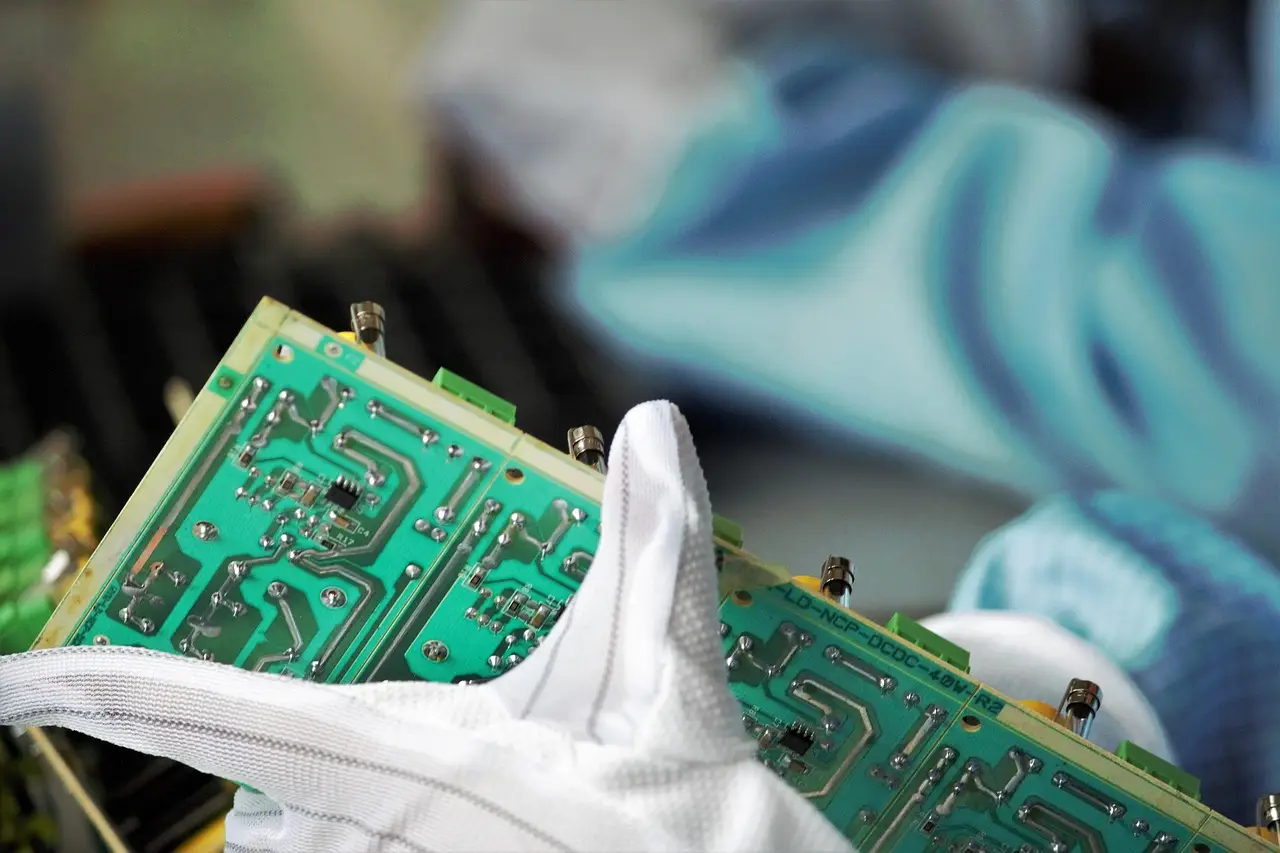
Intel chief executive Lip-Bu Tan says yields on the company's 18A (1.8nm-class) process have reached 70%, and Intel has signed Microsoft as the first public customer for its EMIB advanced packaging on in-house silicon. Tan disclosed the yield figure on Thursday at the TomorrowX conference. It marks a sharp recovery for a process node that was struggling at the start of his tenure.
"When I took over [as CEO in March, 2025], 18A yield was horrible; now we are at 70%," Tan said.
What does the 70% figure actually cover?
Tan did not specify whether the number refers to functional yield, parametric yield, or sellable silicon. Functional die yield — the share of dies passing basic electrical and functional testing — is the most likely metric for a CEO to cite publicly.
Intel began volume production of compute tiles for its Core Ultra 300-series CPUs, codenamed Panther Lake, on 18A in the second half of 2025. A 70% functional yield at this stage of the ramp sits roughly where observers would expect an all-new manufacturing technology to land.
The economics depend on more than functional yield. Parametric yield, and how many premium Panther Lake SKUs Intel can ship at higher prices, will determine actual revenue per wafer. The same logic applies to Intel's Xeon 6+ Clearwater Forest server processors, now in high-volume production with up to 288 cores. Those chips pair 18A-based compute chiplets with Foveros Direct 3D stacking.
Why is the Microsoft EMIB deal significant?
The packaging agreement is arguably the larger commercial story. Microsoft is the first company to publicly commit to Intel's EMIB advanced packaging for its own in-house silicon. The distinction matters: Microsoft is not necessarily the first third party to use EMIB, but it is the first to confirm usage publicly.
The announcement does not identify the processors involved, their manufacturing process, production volumes, or deployment schedule. Microsoft committed to Intel's 18A for data center silicon in 2024, but it remains unclear whether the new EMIB agreement covers the same design. Since most high-end data center parts use multi-chiplet designs, EMIB for multi-die processors is a reasonable expectation for Microsoft's future Azure-bound silicon.
"Through use of our advanced packaging capabilities with EMIB to scale future generations of Azure infrastructure, Intel and Microsoft can combine the flexibility of heterogeneous integration with the manufacturing scale required for the AI era — giving customers new levels of performance and economics when interacting with Azure," said Naga Chandrasekaran, EVP, Chief Technology and Operations Officer and General Manager of Intel Foundry.
What does the Xeon supply agreement include?
The long-term agreement gives Intel greater visibility into future server CPU demand. Microsoft has committed to multi-year Intel Xeon supply capacity, including next-generation Xeon processors codenamed Diamond Rapids. Purchase volumes and financial terms were not disclosed.
The collaboration extends beyond chips and packaging. The two companies are jointly developing infrastructure capabilities spanning:
- Processor architecture
- Heterogeneous integration
- CXL memory expansion
- QuickAssist Technology (QAT) acceleration
- Trust Domain Extensions (TDX) security
What comes next?
For Intel Foundry, a named EMIB customer is a public proof point that its packaging business can attract hyperscaler silicon, even before volumes or schedules are on the table. The competitive question now is whether 18A parametric yields and premium SKU supply can convert the 70% functional figure into the margin recovery Intel's foundry push requires.
Tom's Hardware (Source)
More from Grace Kim
Show full bio
Market editor covering people, launches and day-to-day practice in Semiconductors, chip manufacturing, hardware, AI compute at Chip Dispatch.
1,160 articles