Kospi Plunges Over 7% as Chip Stocks Spark AI-Worry Sell-Off
South Korea's Kospi fell more than 7% in a single session as semiconductor shares led a sell-off driven by growing doubts about the durability of the AI boom.
- By
- Rebecca Stone
- Filed
- Channel
- Semiconductors
- Read
- 2 min read
South Korea's Kospi index sank more than 7% in a single session, dragged down by a broad sell-off in semiconductor shares as investors reassessed how long the AI boom can keep funding chip valuations.
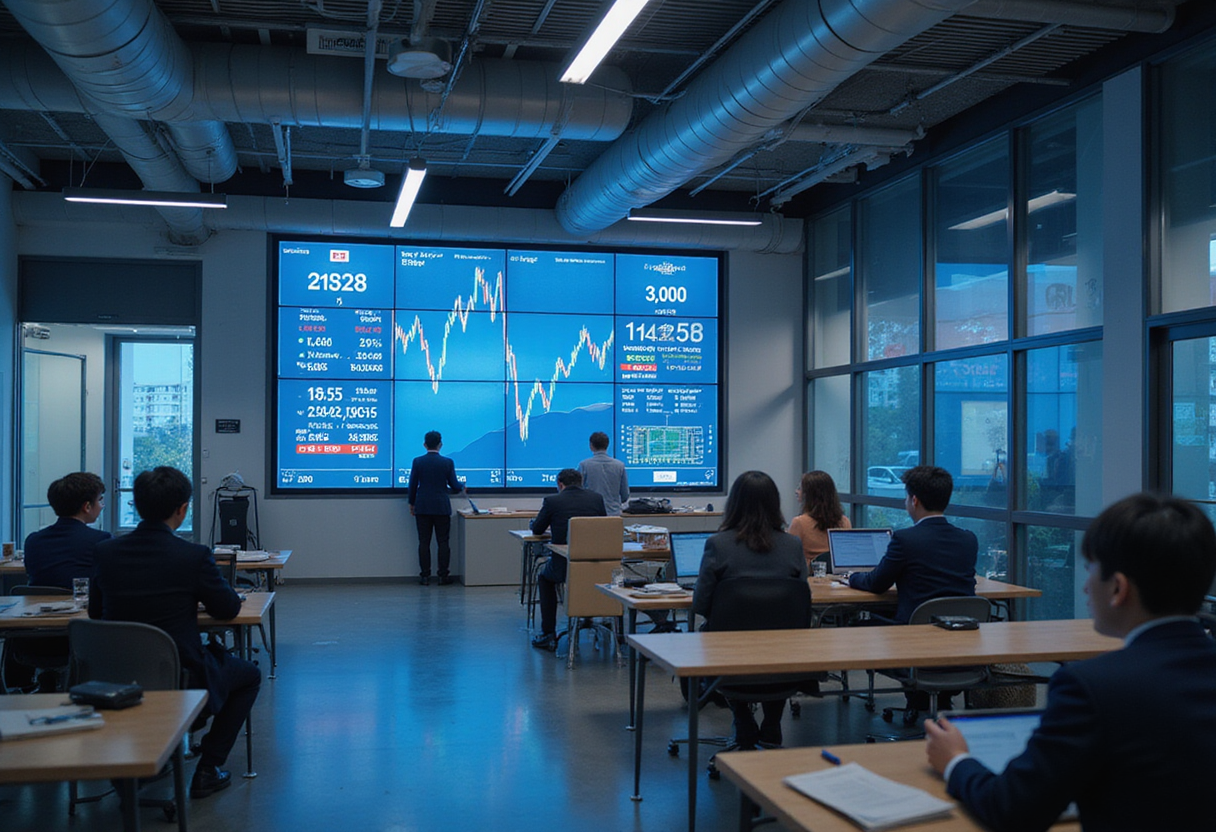
The number itself tells the story. A 7% drop on the Kospi isn't routine volatility — it's the kind of move that erases months of gains in a day and lands on every trading screen from Seoul to New York. And the shares doing the dragging were semiconductor names, the very companies that have carried the index through the past two years of AI-driven optimism.
What's driving the sell-off?
At the center of the rout sits a single worry: the AI boom. Investors are questioning whether the massive spending that has inflated chipmakers' earnings — and, by extension, the South Korean market that leans on them — can be sustained. When that doubt takes hold, semiconductor stocks fall first and fall hardest.
The Kospi's heavy weighting in chip shares makes it especially exposed. When sentiment on AI spending turns, the index doesn't get a partial correction. It gets a rout, and Monday's move past the 7% threshold is exactly that.
Why does this matter beyond Seoul?
South Korea's benchmark isn't just a national barometer. Its largest components are semiconductor suppliers whose fortunes track global AI infrastructure investment. A sell-off of this magnitude signals that skittishness about AI capex has crossed from US tech earnings calls into Asian trading floors.
That transmission matters for the whole supply chain. Memory and logic chipmakers set pricing and capacity plans months ahead; a sharp repricing of their equities can tighten their cost of capital just as they weigh next year's fab budgets. Investors, not customers, pulled the trigger here — but customers watch the same tape.
Chip stocks have spent the AI era trading on expectations of uninterrupted demand growth. The Kospi's 7% plunge shows what happens when that expectation cracks even slightly. Sellers didn't wait for earnings to disappoint. They repriced the risk first.
What comes next?
The immediate question is whether the sell-off stabilizes or cascades. Markets that drop this sharply in a session tend to see forced deleveraging — margin calls, fund outflows, index-linked selling — that can extend losses beyond what the original worry justifies.
For the semiconductor sector, the longer-term question is whether AI demand data confirms or contradicts the fear. If hyperscaler spending holds up, Monday's plunge will read as a violent but passing correction. If AI revenue growth disappoints in coming quarters, today's 7% drop may mark the point where the market stopped pricing the boom and started pricing the risk. Either way, the next round of capex and earnings guidance from the industry's biggest spenders will decide whether Seoul's worst fears stick.
Source: Google News: semiconductors
More from Rebecca Stone
Show full bio
Correspondent covering technology and product news in Semiconductors, chip manufacturing, hardware, AI compute at Chip Dispatch.
409 articles
Related articles
kospi-falls-more-than-7-as-ai-doubts-trigger-chip-sell-off-f518eb70
Kospi Falls More Than 7% as AI Doubts Trigger Chip Sell-Off
kospi-falls-over-7-as-chip-stocks-lead-sharp-sell-off-5648a897
Kospi Falls Over 7% as Chip Stocks Lead Sharp Sell-Off
kospi-falls-more-than-7-as-chip-shares-lead-broad-sell-off-87cbef19
Kospi Falls More Than 7% as Chip Shares Lead Broad Sell-Off
kospi-falls-more-than-7-as-ai-fears-trigger-chip-sell-off-0613740d
Kospi Falls More Than 7% as AI Fears Trigger Chip Sell-Off