KOSPI Reclaims 5,800 as U.S. Semiconductor Stocks Rebound
KOSPI regained 5,800 after a 3.59% plunge as the Philadelphia Semiconductor Index rose 2.63%. Korean chip leaders rallied, but AI-return doubts, election risk and volatile trading persist.
- By
- Nathan Brooks
- Filed
- Channel
- Semiconductors
- Read
- 4 min read
South Korea's KOSPI reclaimed 5,800 in early trading on the 4th as the Philadelphia Semiconductor Index rose 2.63% in the prior U.S. session. The move followed a 3.59% KOSPI fall rooted in doubts about returns on artificial intelligence investment.
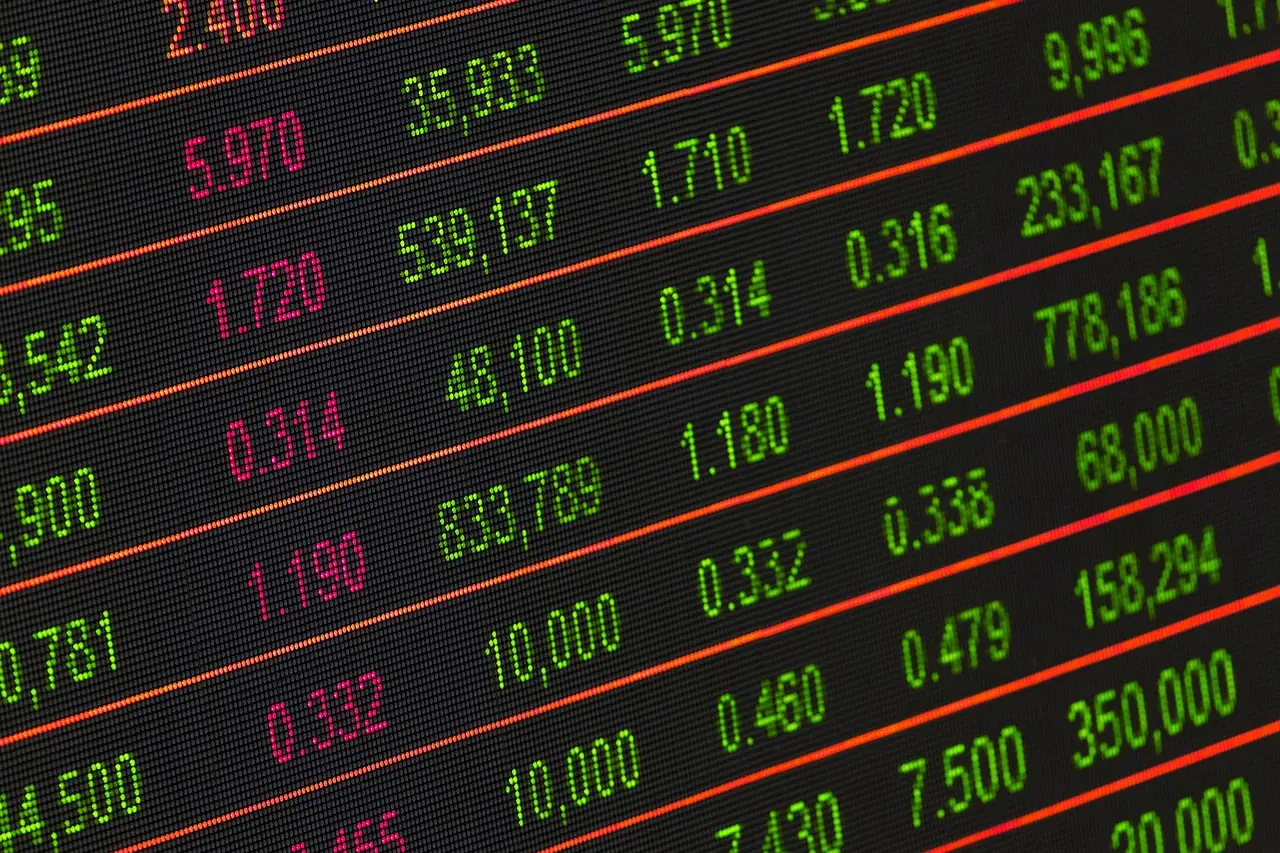
The benchmark opened at 5,786.13, up 137.34 points, or 2.43%. It reached 5,821.32 at about 9:13 a.m., when the gain moved near 3%; early gains had stood at 2.8%. The KOSDAQ opened 1.61% higher at 715.74, adding 11.35 points.
At the prior close, the KOSPI stood at 5,648.79 after its 3.59% drop. The index recovered much of that loss in one session. The rebound was brisk; no proof of a durable reversal was visible.
What drove the rebound?
The immediate driver was the broad rebound in New York semiconductor stocks. The principal moves were:
- Philadelphia Semiconductor Index: up 2.63%.
- Nvidia: up 2.29%; Micron Technology: up 2.58%.
- AMD: up 3.65%; Broadcom: up 3.07%.
In the same U.S. session, the Nasdaq Composite rose 0.83% and the S&P 500 added 0.36%. The Dow Jones Industrial Average fell 0.38%, leaving a mixed broader market behind the chip rally.
Observers described the move as bargain hunting into stocks recently beaten down by the debate over AI investment profitability. The rebound was fast. Conviction about the underlying earnings question was less visible.
Which Korean shares carried the rally?
Samsung Electronics (005930) rose in the low 3% range, and SK Hynix (000660) gained in the 5% range. SK Square also rose around 5%, while Samsung Electro-Mechanics added 3% to 4%. Samsung Electronics preferred shares strengthened as well.
Leadership was not universal. LG Energy Solution and Samsung Biologics each fell in the 2% range, showing that the session did not lift every major Korean semiconductor-linked name.
On the KOSDAQ, buying concentrated in semiconductor equipment and materials names. Simmtech rose in the 8% range.
- Leeno Industrial, Wonik IPS, EO Technics and Jusung Engineering advanced.
- Ecopro, Ecopro BM and Rainbow Robotics also gained.
HLB fell in the 19% range, while Alteogen dropped around 4%. That dispersion complicates any claim of a uniform sector recovery.
Who was buying the rebound?
Foreign investors net bought 50 billion to 90 billion won, approximately $37.2 million to $66.9 million, in the main KOSPI market. Individuals and institutions were net sellers by amounts measured in the hundreds of billions of won.
On the KOSDAQ, individuals were net buyers, while foreign investors and institutions were net sellers. The market rally therefore had a narrow institutional footprint, despite the broad list of advancing stocks.
What do AI earnings and the midterms change?
Kiwoom Securities' Han Ji-young expected Korean stocks to rebound as major AI shares strengthened and bargain-hunting incentives expanded after the recent plunge. Rising interest rates, caution ahead of the U.S. midterm elections, and uncertainty over U.S.-Iran negotiations remained counterweights.
Han projected that earnings from AMD and Super Micro Computer would ease anxiety over “the AI investment cycle having peaked and over profitability.” Her view linked those earnings to improved sentiment toward South Korean AI-related stocks, without resolving the broader infrastructure-return debate.
Some observers said a shift in the balance of power in Congress could alter corporate regulation, fiscal policy, and the environment for AI investment. The debate over profitability from large-scale infrastructure investment by AI companies remains unresolved.
The won also carried risk into the session. The dollar reached 1,341 won per $1 near the previous close, strengthened to 1,344 overnight, and held in the mid-1,340 range during early trading. That move keeps currency conditions present in the sector's investment case.
Can the rebound become a trend reversal?
Market attention was not on intraday moves but on the timing of the U.S. midterm results and the shift in supply and demand afterward. Analysts said the evidence needed to determine whether the semiconductor rebound marked a trend reversal or merely a technical bounce had yet to emerge.
Foreign net buying provides immediate support, but unresolved AI-return concerns and sharply divergent trading keep the case open. The next test is whether demand for Korean chip shares persists after the U.S. midterm results; until then, the 5,800 recovery is a technical bounce, not a confirmed reversal.
Source: Google News: semiconductors
More from Nathan Brooks
Show full bio
Senior reporter covering people, launches and day-to-day practice in Semiconductors, chip manufacturing, hardware, AI compute at Chip Dispatch.
713 articles
Related articles
kospi-plunges-over-7-as-chip-stocks-spark-ai-worry-sell-off-26fa8622
Kospi Plunges Over 7% as Chip Stocks Spark AI-Worry Sell-Off
kospi-sell-sidecar-democrat-sweep-hits-korean-chip-stocks
KOSPI Sell-Sidecar: Democrat Sweep Hits Korean Chip Stocks
kospi-drops-another-5-as-ai-selloff-deepens-in-seoul-b4572fc4
KOSPI Drops Another 5% as AI Selloff Deepens in Seoul
kospi-circuit-breaker-trips-as-samsung-sk-hynix-sink-on-midterm-shock
KOSPI Circuit Breaker Trips as Samsung, SK Hynix Sink on Midterm Shock