Semiconductors · 3 min read
Leak details seven Intel Nova Lake-S Core Ultra 4000 CPUs, led by 5.5GHz 28-core Ultra 9 4970K
A leaked Intel document details seven Nova Lake-S desktop CPUs, led by a 28-core Core Ultra 9 4970K BFC boosting to 5.5 GHz, with DDR5-8000 support and a 77 PTOPS NPU.
Key takeaways
- Leak from VideoCardz details seven Nova Lake-S CPUs based on C1 stepping qualification samples.
- Flagship Core Ultra 9 4970K BFC: 28 cores (8P+16E+4LPE), 5.5 GHz boost, 144 MB L3, 125W.
- All seven chips support DDR5-8000, 256 GB max memory, 24 PCIe lanes and a 77 PTOPS NPU.
- Intel is expected to announce the chips at a Berlin event between February 22 and 25, 2026.
- Boards for the new socket are expected at CES 2027 in January; new motherboards are confirmed as required.
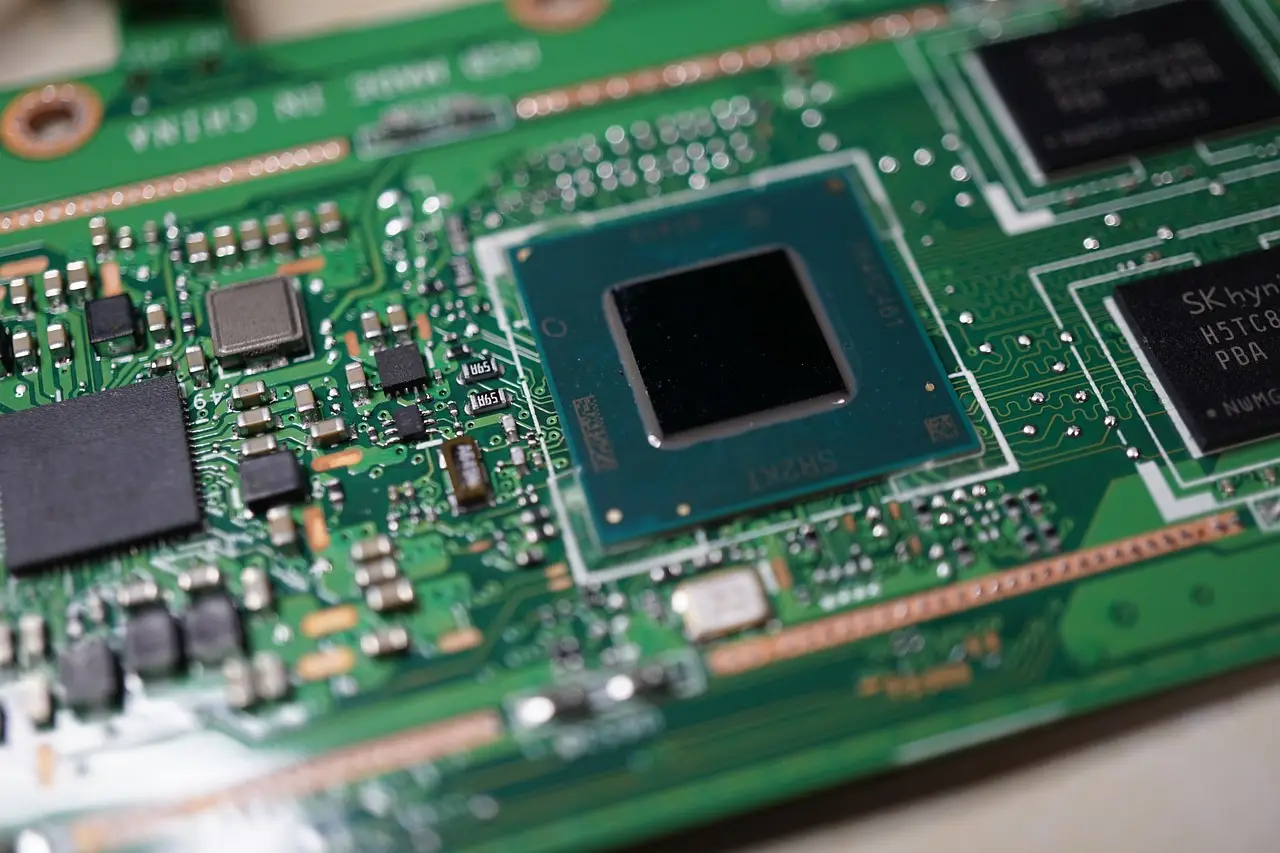
A leaked Intel document has detailed seven Nova Lake-S desktop processors, headlined by a Core Ultra 9 4970K BFC with 28 cores and a 5.5 GHz boost clock, roughly three months before the company is expected to announce the family publicly. VideoCardz published the leak, which is based on C1 stepping qualification samples.
Intel attached a standard warning to the document, noting that clock speeds and performance may change before final shipment. Final specs rarely shift between qualification samples and retail silicon, according to the report, so the figures are believed to hold if the leak is accurate.
What does the flagship look like?
The Core Ultra 9 4970K BFC sits at the top of the leaked stack. It carries 28 cores split into eight performance cores, 16 efficiency cores and four low-power efficient cores. Performance cores boost to 5.5 GHz from a 3.3 GHz base, while efficiency cores run at a 2.7 GHz base and boost to 4.6 GHz, and the low-power cores reach 3.4 GHz. The chip packs 144 MB of L3 cache, a 125-watt base power rating and an integrated GPU clocked at up to 3.1 GHz.
Below it sits the Core Ultra 9 4950K with the same 8+16+4 core layout and near-identical clocks, including a 5.4 GHz performance-core boost, but only 36 MB of L3 cache. The Core 9 4900 BFC rounds out the top tier with 22 cores in a 6+12+4 arrangement, 120 MB of L3 cache, a 5.3 GHz boost and a locked 65-watt power rating.
How does the rest of the lineup break down?
The mid-range is served by two Core Ultra 7 parts, the 4870K BFC and the 4850K, each with 24 cores in an 8+12+4 configuration and a 125-watt rating. Both boost to 5.2 GHz. Cache again separates them: 144 MB of L3 on the 4870K BFC against 36 MB on the 4850K.
The entry-level Core Ultra 5 4650K and 4650KF each carry 22 cores in a 6+12+4 layout, 30 MB of L3 cache and a 5.1 GHz boost. Both run at 125 watts. The 4650KF drops integrated graphics, as signalled by the F suffix. Maximum GPU clocks across the family range from 2.9 to 3.1 GHz.
What platform features do the chips bring?
The document reportedly states that all seven processors support DDR5-8000 memory, up from the DDR5-6400 ceiling of current Arrow Lake-S parts. Maximum memory capacity is 256 GB. The platform exposes 24 CPU PCIe lanes and integrates an NPU rated at 77 PTOPS.
Media decode support covers DNx, XAVC, JPEG-XS and VVC, alongside AV1 High and Professional profile support. Intel's Turbo Boost Max Technology 3.0 appears only on the three BFC-branded parts, reaching 5.5 GHz on the 4970K, 5.3 GHz on the 4900 and a reported 5.2 GHz class ceiling elsewhere in the table.
When will Nova Lake arrive?
Intel has previously been reported to plan its next-generation launch event in Berlin between February 22 and 25, 2026, with the chips expected on the market ahead of a February 2027 release window cited in the leak coverage. Motherboard makers are expected to show compatible boards at CES 2027 in Las Vegas in January, before the Berlin event. New motherboards are confirmed to be required for the Nova Lake generation.
The leak follows an earlier report that Nova Lake chips will "universally limit the maximum core frequency to 5.1 GHz when above 90°C." The throttle applies only at that temperature threshold, so adequately cooled systems should avoid it. How easily these high-core-count parts can be kept below 90 watts-per-tier under load remains an open question until independent testing appears alongside the launch boards at CES.
Tom's Hardware (Source)
More from Grace Kim
Show full bio
Market editor covering people, launches and day-to-day practice in Semiconductors, chip manufacturing, hardware, AI compute at Chip Dispatch.
1,309 articles