Microsoft Rewrites Windows for Arm-Based Nvidia RTX Spark
Microsoft and Nvidia launched RTX Spark laptops in San Francisco last week — Arm-based Windows machines with powerful GPUs, requiring OS rework down to Notepad.
- By
- Nathan Brooks
- Filed
- Channel
- AI & Compute
- Read
- 2 min read
Microsoft and Nvidia launched the first wave of RTX Spark laptops at an event in San Francisco last week, and the machines run Windows on Arm-based chips rather than the x64 processors that AMD and Intel supply. The distinction sounds technical. It is not.
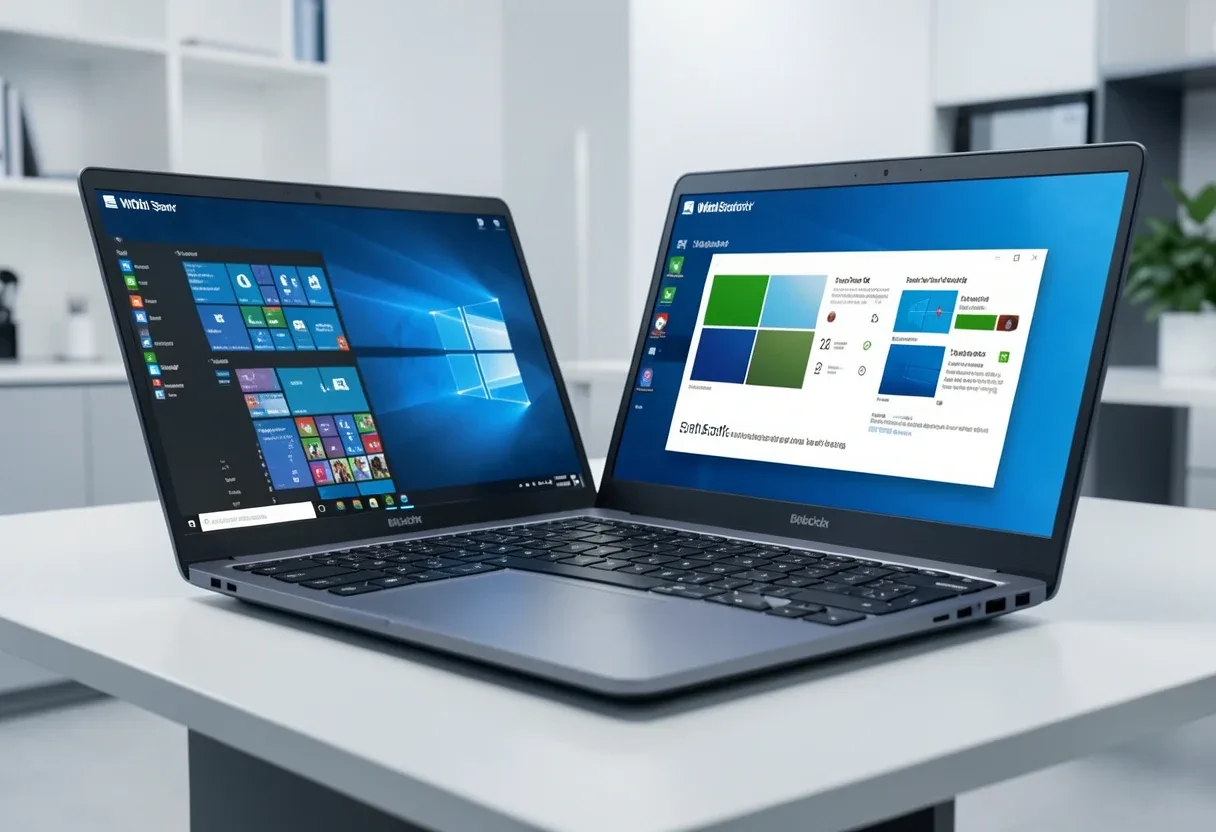
An Arm-based Windows machine is a different animal for software makers. Every layer of the operating system, down to utilities as humble as Notepad, has required rework so that Nvidia's platform behaves like the Windows laptops buyers already know. Nvidia invited reporters to a second, quieter briefing in San Francisco the day after the public launch to explain how much engineering sits underneath the familiar keyboard.
What Is RTX Spark, Exactly?
RTX Spark pairs an Arm-based CPU with a powerful GPU, and Nvidia positions the combination as a platform built for the future of AI. Externally, the laptops look like ordinary Windows machines. Internally, they abandon the x64 architecture that has defined the PC industry's silicon duopoly for decades.
That choice carries weight. Windows software, drivers, and development tools have grown up around AMD and Intel processors, and each departure from x64 forces Microsoft and its partners to re-validate a software stack that customers assume simply works. The company has clearly decided the AI performance on offer justifies the effort.
Why Does the Software Work Matter So Much?
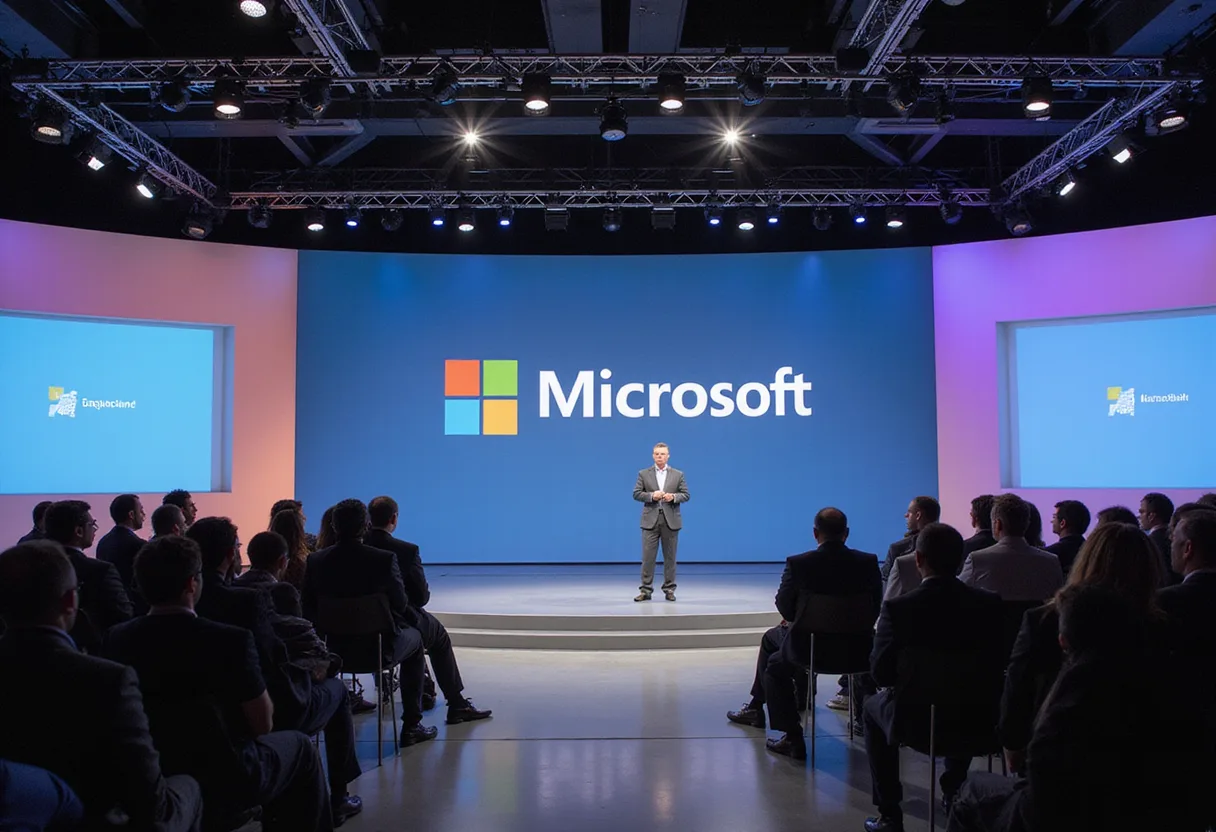
The launch event in San Francisco featured a packed crowd and a hands-on area with the new AI PCs front and center. The messaging was consumer-friendly. The engineering is anything but casual.
Optimizing Windows for RTX Spark means touching parts of the system that rarely make headlines. The Verge's report on the platform details changes reaching as far as Notepad, which tells you how deep the compatibility work runs. When an operating system must serve a new instruction set, no application is too small to check.
For Nvidia, the stakes are straightforward. Its GPU business dominates AI accelerators, and RTX Spark extends that franchise into the laptop form factor. For Microsoft, the stakes are subtler: Windows must run convincingly on Arm, or the AI PC category it is promoting loses credibility with the buyers who actually pay for machines.
Who Should Care?
Three groups, mainly:
- Buyers who want local AI performance in a laptop that still runs the Windows software they depend on.
- Developers who must decide whether to build and optimize for an Arm-based Windows target alongside x64.
- AMD and Intel, whose x64 duopoly faces another Arm-based entrant backed by the industry's most valuable AI franchise.
The first wave of RTX Spark laptops is now launched. The quieter question, the one Nvidia addressed behind closed doors, is whether Windows software large and small will be ready when the machines reach customers in volume — and on that, the Notepad-level detail suggests Microsoft is sweating the small stuff as much as the showcase features.
Original: digitalfoundry.net
More from Nathan Brooks
Show full bio
Senior reporter covering people, launches and day-to-day practice in Semiconductors, chip manufacturing, hardware, AI compute at Chip Dispatch.
553 articles
Related articles
microsoft-prices-rtx-spark-surface-laptop-ultra-from-2-600-7e522119
Microsoft Prices RTX Spark Surface Laptop Ultra From $2,600
microsoft-s-2-599-surface-laptop-ultra-puts-nvidia-rtx-spark-in-first-arm-pc-35164c89
Microsoft's $2,599 Surface Laptop Ultra Puts Nvidia RTX Spark in First Arm PC
microsoft-reportedly-develops-custom-ai-silicon-to-challenge-nvidia-fb688308
Microsoft Reportedly Develops Custom AI Silicon to Challenge Nvidia
microsoft-s-new-ai-chip-marks-its-largest-silicon-bet-yet-2a84c183
Microsoft's New AI Chip Marks Its Largest Silicon Bet Yet