Molten Industries Fires Up Oakland Graphite Plant at China Tariff Parity
Molten Industries' Oakland demonstration plant will make 300 metric tons of graphite annually, matching Chinese prices once U.S. tariffs are applied to imports.
- By
- Grace Kim
- Filed
- Channel
- Hardware & Components
- Read
- 3 min read
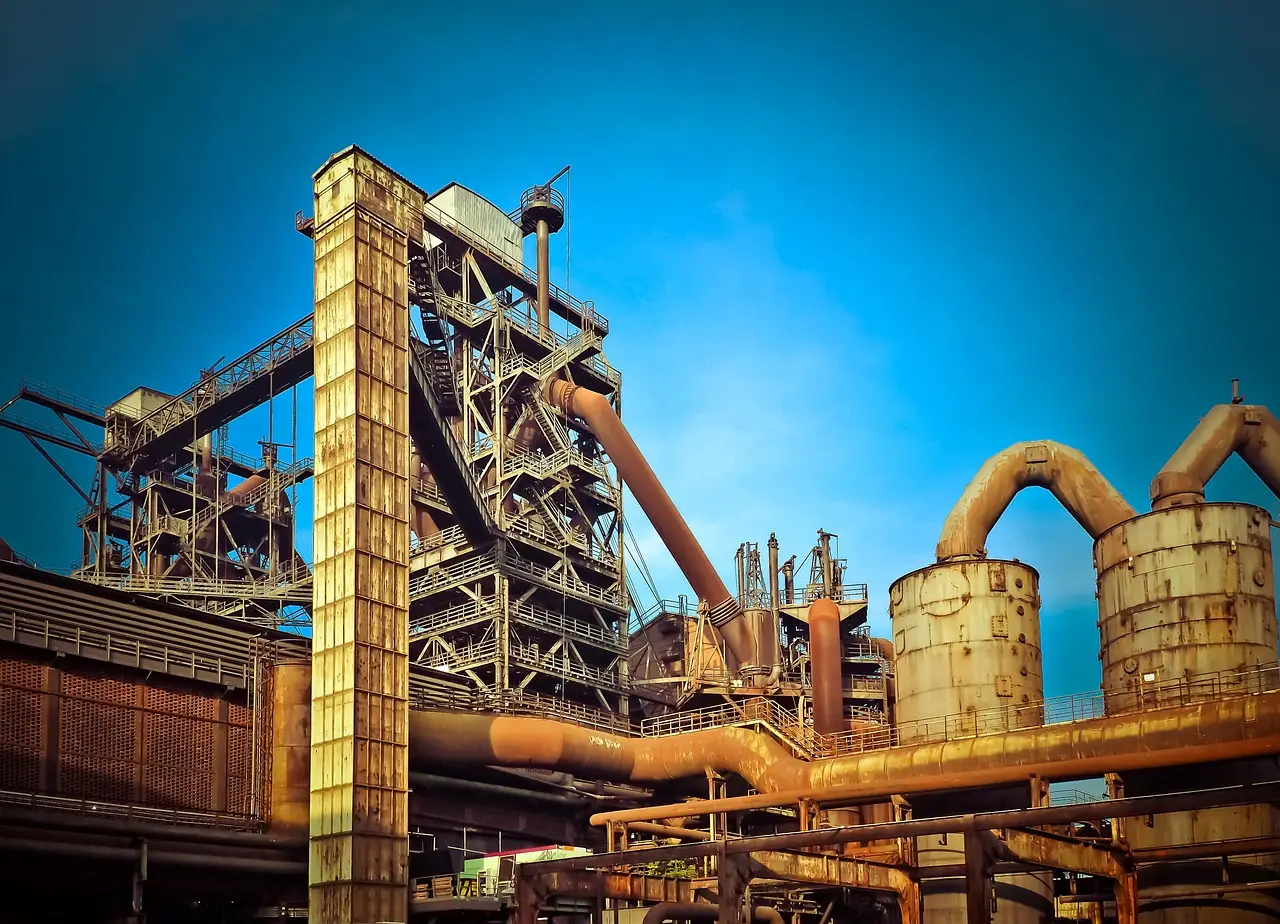
Molten Industries has started operating a demonstration graphite plant in Oakland, California, and says the material will sell at cost parity with Chinese graphite plus tariffs. The plant marks the first serious U.S. attempt to break China's hold on battery-grade graphite using methane pyrolysis.
China controls roughly three-quarters of the graphite anode supply chain and 97% of synthetic graphite anode production, according to Benchmark Mineral Intelligence. Graphite forms the anode in lithium-ion batteries, the component that stores charge. The U.S. battery market has quintupled in the last five years even as EV sales growth has leveled off, and most domestic cell production still depends on Chinese graphite inputs.
"The new plant will be producing graphite that's at cost parity with China plus tariffs," Caleb Boyd, co-founder and CTO of Molten Industries, said. He added that future plants should match China's cost even without tariffs, which he described as a built-in advantage of the company's technology.
How much graphite will Oakland produce?
The demonstration plant will make about 300 metric tons of graphite annually. That output supports roughly 300 megawatt-hours of batteries, enough for about 4,300 electric vehicles. Most of the volume will go to undisclosed customers now testing the material in their battery cells.
Boyd said the next facility, not yet announced, will replicate the Oakland template several times over. The company has not disclosed timing, capacity or location for that plant.
What is the underlying technology?
The process uses electrical resistive heating to split methane, the main ingredient in natural gas, into pure carbon and hydrogen. "You can think of it almost like a massive toaster," Boyd said. The company claims the system uses three times less electricity than existing graphite methods, and it runs on natural gas, which is cheap and abundant in the United States.
The chemistry is straightforward. When methane is heated without oxygen, each molecule breaks into one carbon atom and four hydrogen atoms. The hydrogen atoms pair into hydrogen gas, which Molten sells at market prices to a neighboring customer. The carbon is then refined to meet battery makers' specifications.
Thermal methane splitting is not new. The basic idea has existed for more than a century, but earlier commercialization attempts failed because carbon built up and clogged the reactors. Boyd said no company before Molten had produced high-quality graphite this way.
Why did a hydrogen startup pivot to graphite?
Boyd and CEO Kevin Bush, both materials science PhDs from Stanford, originally set out to make clean hydrogen from natural gas. Most hydrogen today comes from steam reforming, a cheap but polluting process. The founders wanted natural gas economics without the pollution, and they planned to sell leftover carbon as a byproduct.
The reactor-clogging workaround changed the plan. "We actually started making this really high quality graphite," Boyd said, which "changed the entire economics of what we were doing." Molten became a battery-grade graphite company that also sells hydrogen.
Can the company compete with China on cost?
The founders argue that copying Chinese processes invites defeat. "We think it's very hard to compete with China if you're just copying their processes and trying to compete on cost," Bush said. "So we are using a resource in the United States that's abundant in natural gas, and we've brought some innovation to actually be able to drive down the cost of graphite production globally."
The company says both product lines could eventually generate billions of dollars in revenue. If Molten supplied the entire U.S. battery market, it could also provide about a third of the hydrogen consumed in the country, according to company estimates. Additional demand for high-quality graphite, including thermal batteries that store energy as heat, could expand both markets.
Boyd framed the Oakland startup as a broader marker for the industry. The new factory, he said, "is really a milestone, not just for the company, we think, but globally." If future plants hit Chinese cost structures without tariff protection, domestic graphite could capture share now held almost entirely by Chinese suppliers.
Source: techcrunch.com
More from Grace Kim
Show full bio
Market editor covering people, launches and day-to-day practice in Semiconductors, chip manufacturing, hardware, AI compute at Chip Dispatch.
1,108 articles
Related articles
china-hits-us-firms-with-export-controls-before-xi-s-washington-visit-1d66d3cb
China Hits US Firms With Export Controls Before Xi's Washington Visit
beijing-s-export-controls-mature-as-trump-pulls-back-china-tech-curbs-001e83ea
Beijing's Export Controls Mature as Trump Pulls Back China Tech Curbs
china-factory-output-slows-to-4-8-as-investment-falls-8-1
China Factory Output Slows to 4.8% as Investment Falls 8.1%
china-drafts-export-controls-of-its-own-40-ai-chip-and-solar-technologies-on-the-9fe39f7a
China Drafts Export Controls of Its Own: 40 AI, Chip and Solar Technologies on the List