Musk's Terafab Aims for 1 Million Wafers Monthly After 2032
Terafab, the Tesla-SpaceX joint venture, targets 1 million wafers monthly after 2032, with 700,000 memory wafers rivaling Samsung's estimated DRAM capacity.
- By
- Grace Kim
- Filed
- Channel
- Chip Manufacturing
- Read
- 3 min read
Elon Musk's Terafab has informally told equipment makers it wants to produce 1 million wafers per month after 2032, according to Financial News. The joint venture of Tesla and SpaceX plans to split that output between 700,000 memory wafers and more than 300,000 logic wafers each month.
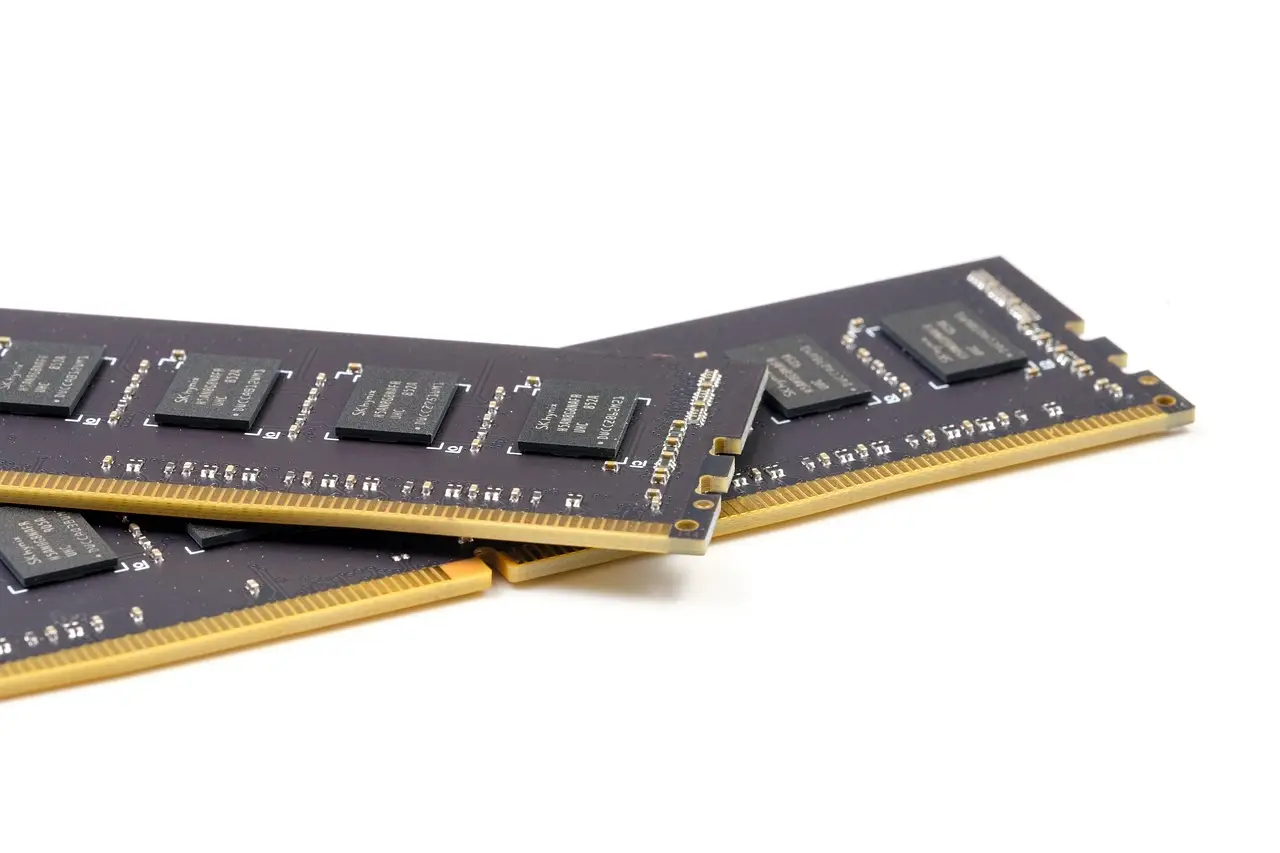
The memory allotment would rival Samsung's entire estimated DRAM production capacity. Samsung's DRAM capacity was estimated last year at 650,000 to 700,000 wafers a month. SK hynix reportedly runs about 550,000, with 1 million as a goal by 2030.
The comparison carries caveats. Terafab's 700,000 figure covers all expected memory output, which could be NAND or DRAM, while the Samsung and SK hynix figures measure DRAM only. Even so, the memory portion alone would run 3.5 times the reported 200,000 wafers at SK hynix's Wuxi fab in China.
How fast is Terafab actually moving?
Orders are now leading more companies to see a real business opportunity, after many in the industry greeted Musk's March announcement with skepticism. Terafab's procurement team has already visited Japan, asking some local toolmakers for delivery within months. Procurement officials met Japanese suppliers earlier this month to work out equipment details. The Elec also reports that Terafab representatives visited booths of roughly 10 Korean materials, parts, and equipment firms at SEMICON West, with some NDAs signed.
The timeline is aggressive. It usually takes three years or more to move a leading-edge fab from planning to volume, and Terafab targets volume production in the second half of 2028. Musk himself called the dates "very aggressive" on a SpaceX call last month and said he put "big error bars" on the timeline. The first SRAM test chip is targeted for around May or June 2027 at the Austin research facility.
Who supplies the process technology?
Logic has a named partner. Jiji Press reports Terafab is working with Intel to adopt its 2nm and 1.4nm processes. Memory does not. Technical help from a Taiwanese company is under consideration, but no partner has been named, leaving 70% of the planned wafers without a disclosed process technology.
Memory production typically splits between DRAM and NAND flash, the latter for non-volatile storage. A Tesla job listing for a Terafab Memory Process Integration Engineer, reported in August, covers end-to-end DRAM process integration and DRAM node development, and supports emerging memories such as MRAM, RRAM, and 3D DRAM. Terafab has not said how its DRAM output would divide among products like HBM and LPDDR, both useful for AI and both mentioned in its job postings. Nor is it clear whether the company expects to make and stack its own DRAM or package chips brought in from outside.
What about TSMC and the money?
How TSMC might fit in remains open. TSMC says any fab with its involvement has to be run by TSMC. Musk said his own companies would build and operate Terafab, a scenario that could leave TSMC as a tenant on the site.
The spending plans are known. The first phase in Grimes County, Texas, carries a $16.8 billion price tag, with total investment of up to $119 billion if later phases proceed. A pilot plant could be completed as early as July 2027.
Tesla and SpaceX lack chip-manufacturing experience, and building a cutting-edge logic fab on U.S. soil is its own challenge. If Terafab converts its Japanese and Korean supplier outreach into delivered tools on schedule, the memory market's capacity assumptions for the 2030s will need a rewrite.
Source: Tom's Hardware
More from Grace Kim
Show full bio
Market editor covering people, launches and day-to-day practice in Semiconductors, chip manufacturing, hardware, AI compute at Chip Dispatch.
805 articles
Related articles
memory-sold-out-through-as-hbm-squeeze-reshapes-ai-supply
Memory Sold Out Through 2029 as HBM Squeeze Reshapes AI Supply
micron-posts-record-54b-quarter-as-memory-tightens-through-6e127409
Micron Posts Record $54B Quarter as Memory Tightens Through 2028
samsung-reports-ninefold-profit-jump-in-q3-on-ai-chip-demand-ac38675b
Samsung Reports Ninefold Profit Jump in Q3 on AI Chip Demand
apple-s-memory-bill-climbs-33-billion-as-ram-prices-surge-into
Apple's Memory Bill Climbs $33 Billion as RAM Prices Surge Into 2027