Nvidia Loses Market Value Crown as AI Funding Risks Rise
Apple leads Nvidia and Microsoft in market value as Nvidia’s six-week slide tests whether AI demand, $279 billion in supply obligations and debt-funded customers can withstand higher rates.
- By
- Rebecca Stone
- Filed
- Channel
- AI & Compute
- Read
- 4 min read
By Rebecca Stone
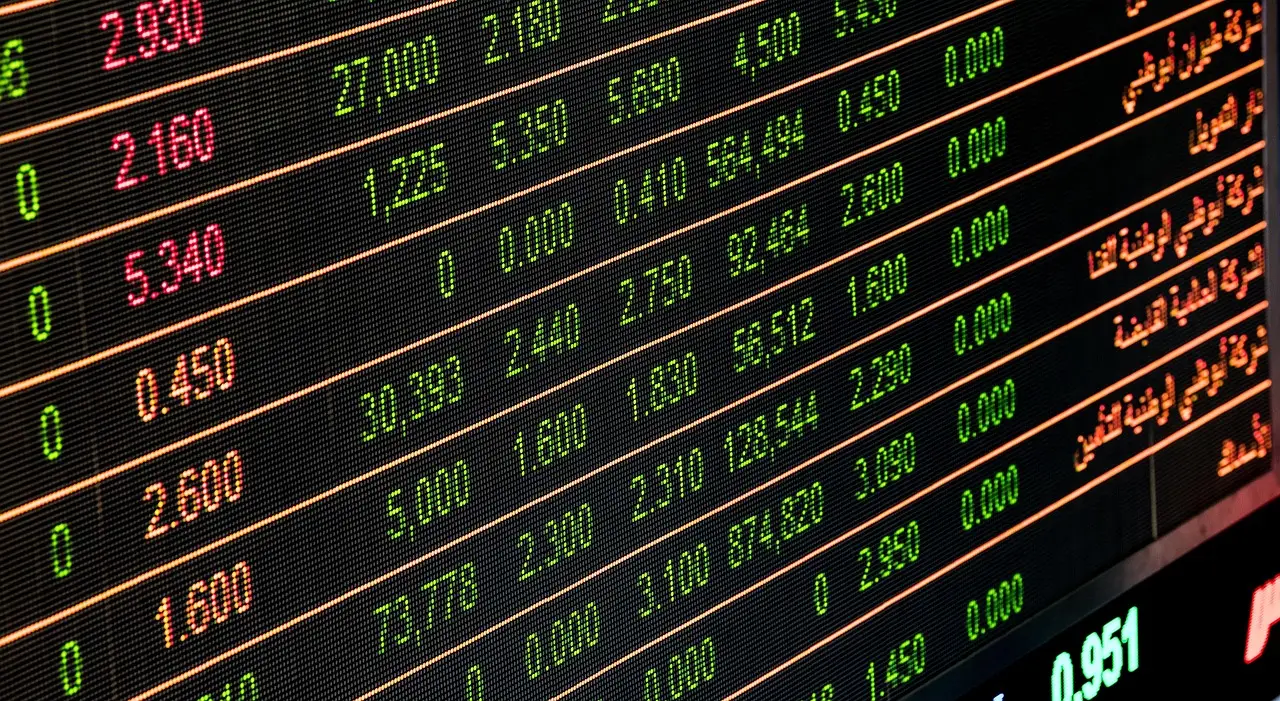
A Nov. 13, 2026 24/7 Wall St. snapshot put Apple’s market capitalization at $5.2 trillion, ahead of Nvidia at $4.0 trillion and Microsoft at $3.9 trillion.
For most of 2026, Nvidia led Wall Street’s market-value rankings, powered by an AI infrastructure boom that more than doubled its quarterly revenue. All three of the largest companies trade on the Nasdaq Composite, so their order matters to investors holding broad index funds.
Market value equals share price multiplied by every share outstanding—the collective price investors assign to an entire company.
CNBC’s Ari Levy reported that, at Thursday’s close, Nvidia shares had fallen 29% from the losing streak that began in early October. The decline erased roughly $1.6 trillion and put the stock on course for a sixth straight weekly fall, its longest losing streak since 2012.
What knocked Nvidia off the top?
CNBC tied the reversal to three forces:
- Leadership. Jensen Huang resigned on Thursday, and Nvidia’s board named finance chief Colette Kress interim CEO while it searches for a permanent successor; Nvidia has hired an outside firm to assist with that search.
- Political selling. Selling accelerated after the midterm elections, CNBC said.
- Funding costs. Rising interest rates pressured AI customers, including neoclouds—specialized AI cloud computing providers—that lean on debt markets.
Is the AI profit engine still running?
Nvidia reported fiscal Q2 revenue up 105.9% to $96.221 billion, with data-center sales at $89.023 billion. For the current quarter, management guided to $108.0 billion, plus or minus 2%. Its net margin reached 63.7%, compared with Apple’s 27.6%.
In August, Kress said: “We expect supply to remain a bottleneck at least through the end of fiscal year ’28.”
At 22 times trailing earnings, Nvidia trades below Apple’s 39 times, even though Apple’s latest quarterly revenue grew 11.7%. Investors pay less for each dollar of Nvidia profit than for each dollar of Apple profit.
Where does the funding risk sit?
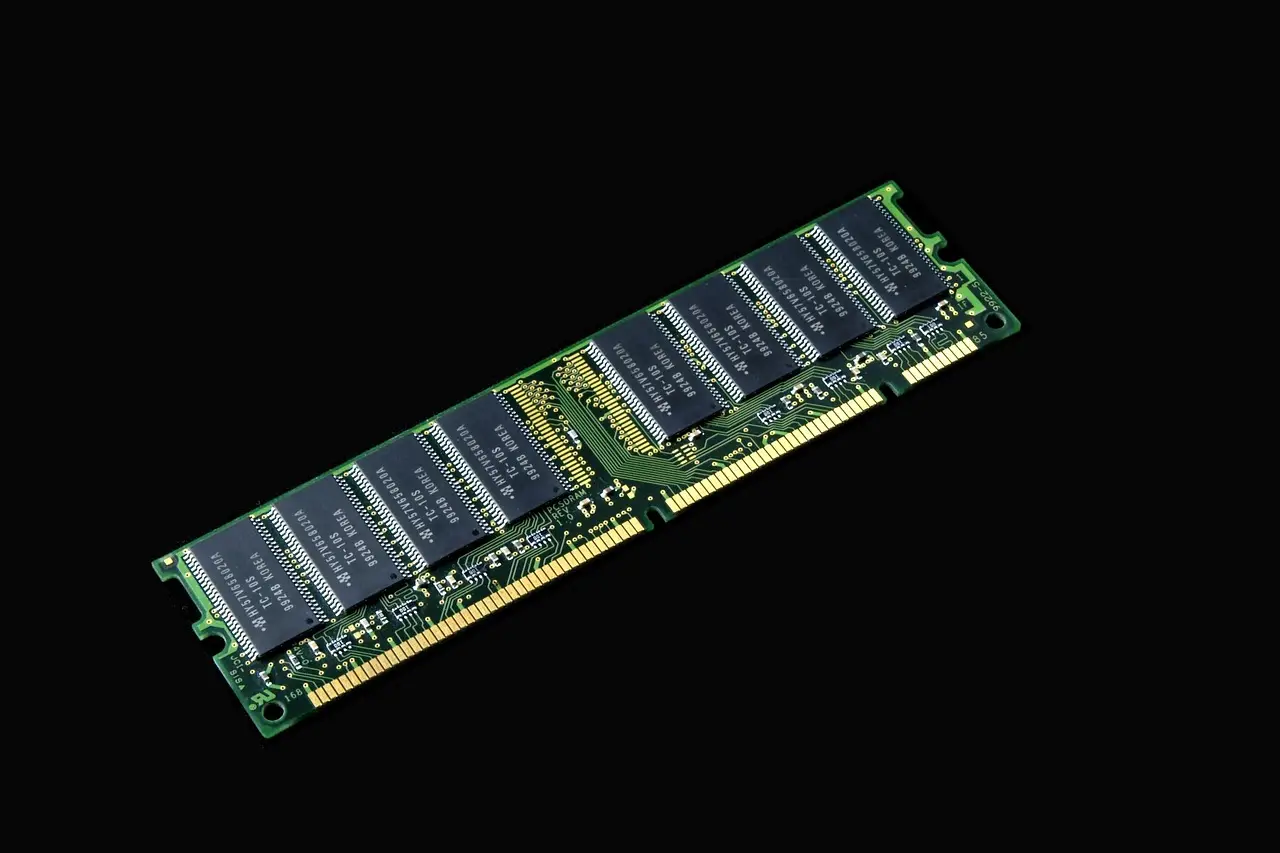
The sharper test sits with buyers. Nvidia’s supply obligations had ballooned to $279 billion, largely tied to Vera Rubin memory procurement.
Kress also said AI labs that Nvidia expects to support using its balance sheet could contribute roughly one-quarter of the business next year. Days sales outstanding rose to 60 days, the average collection period after a credit sale.
If higher rates choke off the debt financing those buyers depend on, a temporary shock could harden into a fundamental demand shift, the risk that separated Nvidia’s present selloff from a routine change in market leadership.
What does the corporate history say?
Cisco Systems once ruled the dot-com peak alongside Microsoft, then lost the crown when telecom carriers stopped ordering networking gear after their debt-fueled expansion ended. Adjusted Cisco shares rose from $34.54 on Jan. 3, 2000, to $102.01, a 195.4% gain across nearly 27 years.
Microsoft, measured from Nov. 1, 1999, gained 1,761.7% over a similar stretch and later returned to No. 1 after reinventing itself around cloud computing.
Exxon Mobil followed a similar script after it lost the title to Apple as the economy’s center of gravity shifted from oil toward smartphones and software. Its adjusted shares gained 313.5% since Jan. 3, 2011.
Over the past 10 years, Exxon rose 204.1%, while Apple jumped 1,366.7%. Both dethroned giants eventually rewarded patient owners, yet neither led the market again.
Apple and Microsoft have traded the top spot repeatedly, usually after temporary shocks such as a soft product cycle, a rate scare or a rough quarter, while their underlying earnings kept compounding. Cisco and Exxon instead faced fundamental shifts that moved demand elsewhere.
What will the next report prove?
On the evidence in the analysis, Nvidia looks closer to Apple and Microsoft’s temporary swaps than to Cisco’s fall. Leadership change, an election and rising rates explain the selloff, while revenue keeps more than doubling and the stock carries a lower earnings multiple than Apple’s.
The concrete test comes in Kress’s team’s next quarterly report: whether it reaffirms the approximately 70% revenue growth outlook for fiscal 2028 that management laid out in August. A cut would point toward a fundamental shift; a reaffirmation would mark the slide as a shock.
Over the long run, Wall Street has rewarded companies whose earnings keep compounding, regardless of which company holds the crown in a given month.
Going forward, Nvidia’s competitive position hinges on whether it can sustain roughly 70% fiscal 2028 revenue growth with supply constrained through the period and higher rates limiting customer financing; a reaffirmed outlook would favor the temporary-shock case, while a cut would point toward a durable fundamental shift.
Source: 247wallst.com
More from Rebecca Stone
Show full bio
Correspondent covering technology and product news in Semiconductors, chip manufacturing, hardware, AI compute at Chip Dispatch.
945 articles
Related articles
nvidia-heads-for-sixth-weekly-loss-as-cerebras-jumps-15
Nvidia Heads for Sixth Weekly Loss as Cerebras Jumps 15%
nvidia-falls-27-after-huang-exit-as-515-target-survives
NVIDIA falls 27% after Huang exit as $515 target survives
nvidia-trades-below-12x-forward-earnings-as-huang-scandal-erases-428-billion
Nvidia Trades Below 12x Forward Earnings as Huang Scandal Erases $428 Billion
nvidia-board-investigates-jensen-huang-as-ai-stocks-shed-billions
Nvidia Board Investigates Jensen Huang as AI Stocks Shed Billions