Samsung to Build Nvidia's Next-Gen Memory on TSMC Process, Report Says
Samsung will use TSMC technology to make next-generation memory chips for Nvidia, a Seoul newspaper reports — an unusual link between two foundry rivals for Nvidia's HBM business.
- By
- Rebecca Stone
- Filed
- Channel
- Memory & Storage
- Read
- 3 min read
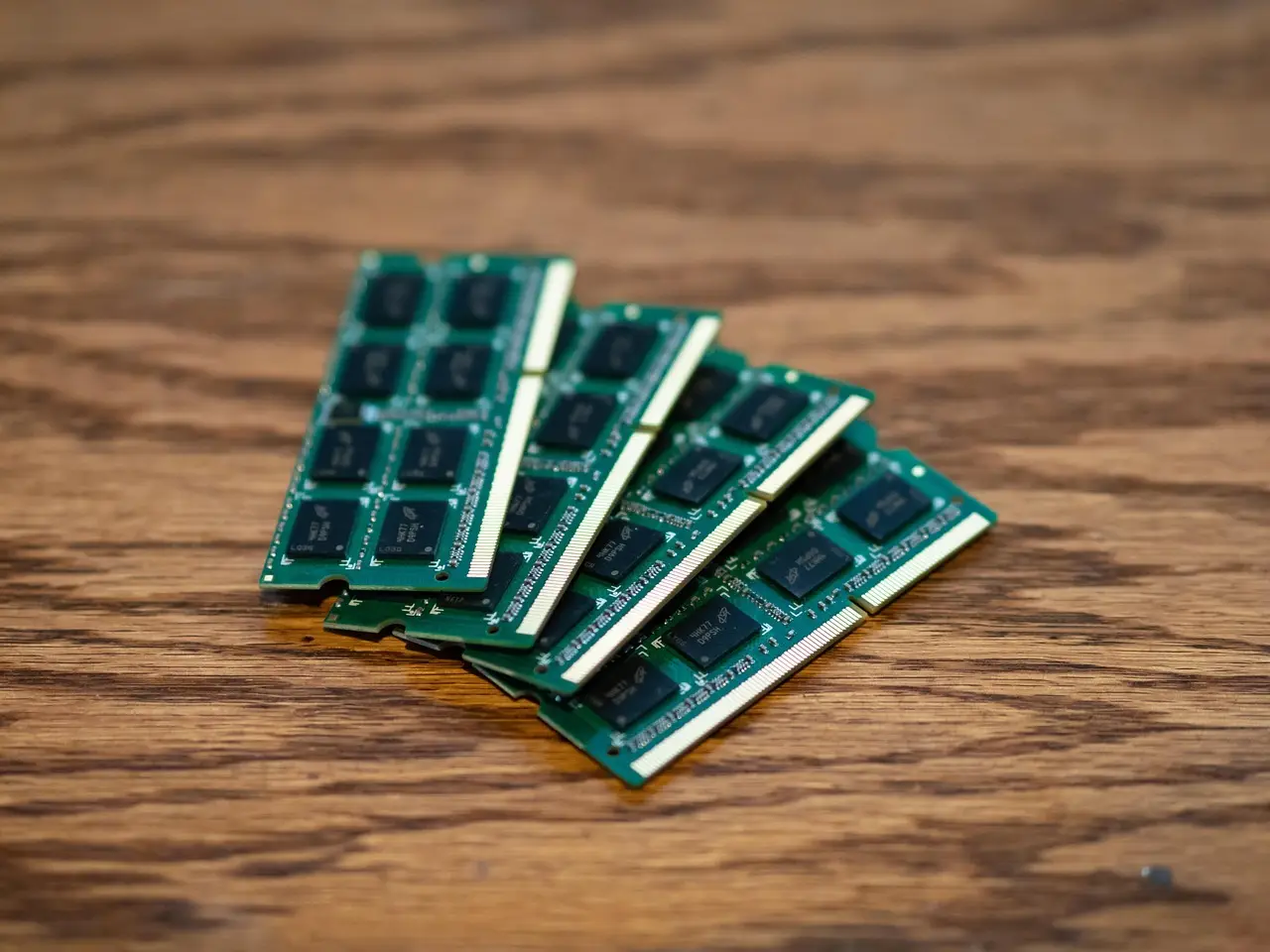
Samsung plans to manufacture next-generation memory chips for Nvidia using TSMC's process technology, according to a report from a Seoul newspaper relayed by Reuters. The deal, if it holds, would route a flagship Nvidia memory program through Samsung's fabrication lines running TSMC-licensed technology — a striking arrangement between the two foundry rivals.
The report originates from a South Korean daily, and Reuters has relayed it without independent confirmation. That caveat matters. Neither Samsung, nor TSMC, nor Nvidia has issued a public statement, and no contract value, volume target or timeline appears in the reporting so far.
Why would Samsung use a rival's technology?
Samsung Foundry and TSMC compete directly for logic wafer orders across advanced nodes, so a licensing or technology-sharing arrangement between them is unusual. But Samsung's memory division has long behaved differently from its foundry arm, and the memory side has existing precedent for working with TSMC on logic-adjacent processes tied to memory products.
For high-bandwidth memory (HBM) — the stacked DRAM that Nvidia bolts onto its AI accelerators — the commercial picture hinges on how closely the memory integrates with the customer's compute silicon. Nvidia's demand for tightly coupled memory logic has pushed suppliers toward process options that optimize for that integration rather than for a foundry's own product roadmap.
That's the context that changes the deal's meaning here: this isn't Samsung conceding advanced-node ground across the board. It's Samsung's memory business choosing a process path, reportedly TSMC-based, to win or keep Nvidia's next-generation memory orders.
What's at stake in Nvidia's memory supply chain?
Nvidia sits at the center of the AI accelerator market, and HBM supply has become a genuine bottleneck for that market's growth. SK hynix has led the HBM race for Nvidia's current generation, with Samsung working to qualify its own HBM3E products and secure a larger share of Nvidia's stack.
A reported arrangement that puts Samsung memory on TSMC process technology would give Nvidia a second qualified HBM source with stronger logic integration — and would complicate the neat narrative of Samsung versus SK hynix as a purely internal-Korean contest fought on Samsung's own process terms.
For TSMC, the upside is indirect but real. The world's largest foundry doesn't make DRAM, yet its process technology reportedly anchoring a rival's memory output for Nvidia extends TSMC's footprint deeper into the AI memory chain without fabbing the wafers itself.
What remains unconfirmed?
Plenty. The Seoul newspaper report, as relayed by Reuters, names no capacity figures, no wafer volumes, no node designation and no revenue terms. Key open questions:
- Whether the arrangement covers a specific HBM generation or a broader next-generation memory family
- Whether "TSMC technology" means licensed process IP, joint development, or wafers fabbed at TSMC and packaged by Samsung
- Which Nvidia product generation the chips would serve, and on what timeline
- Whether the deal is signed or still in negotiation
Samsung's foundry struggles and its HBM qualification delays at Nvidia have been well documented over the past year, and this report lands against that backdrop. If the arrangement is confirmed, it would mark one of the clearest instances yet of memory-process pragmatism trumping corporate silos at Samsung. Until the three companies confirm terms, volumes and timing, though, the competitive reshuffle in Nvidia's HBM supply chain remains a single-source report — one that both Seoul and Hsinchu will be watching closely.
Source: Google News: TSMC
More from Rebecca Stone
Show full bio
Correspondent covering technology and product news in Semiconductors, chip manufacturing, hardware, AI compute at Chip Dispatch.
611 articles
Related articles
samsung-to-build-nvidia-memory-chips-on-tsmc-process-seoul-report-says-ec58ee97
Samsung to Build Nvidia Memory Chips on TSMC Process, Seoul Report Says
samsung-turns-to-tsmc-process-technology-for-nvidia-s-next-gen-memory-5bc65301
Samsung Turns to TSMC Process Technology for Nvidia's Next-Gen Memory
samsung-turns-to-tsmc-3nm-for-nvidia-custom-hbm-base-die-bcb67844
Samsung Turns to TSMC 3nm for Nvidia Custom HBM Base Die
samsung-reported-to-use-tsmc-3nm-lines-for-nvidia-custom-hbm-183b690c
Samsung Reported to Use TSMC 3nm Lines for Nvidia Custom HBM