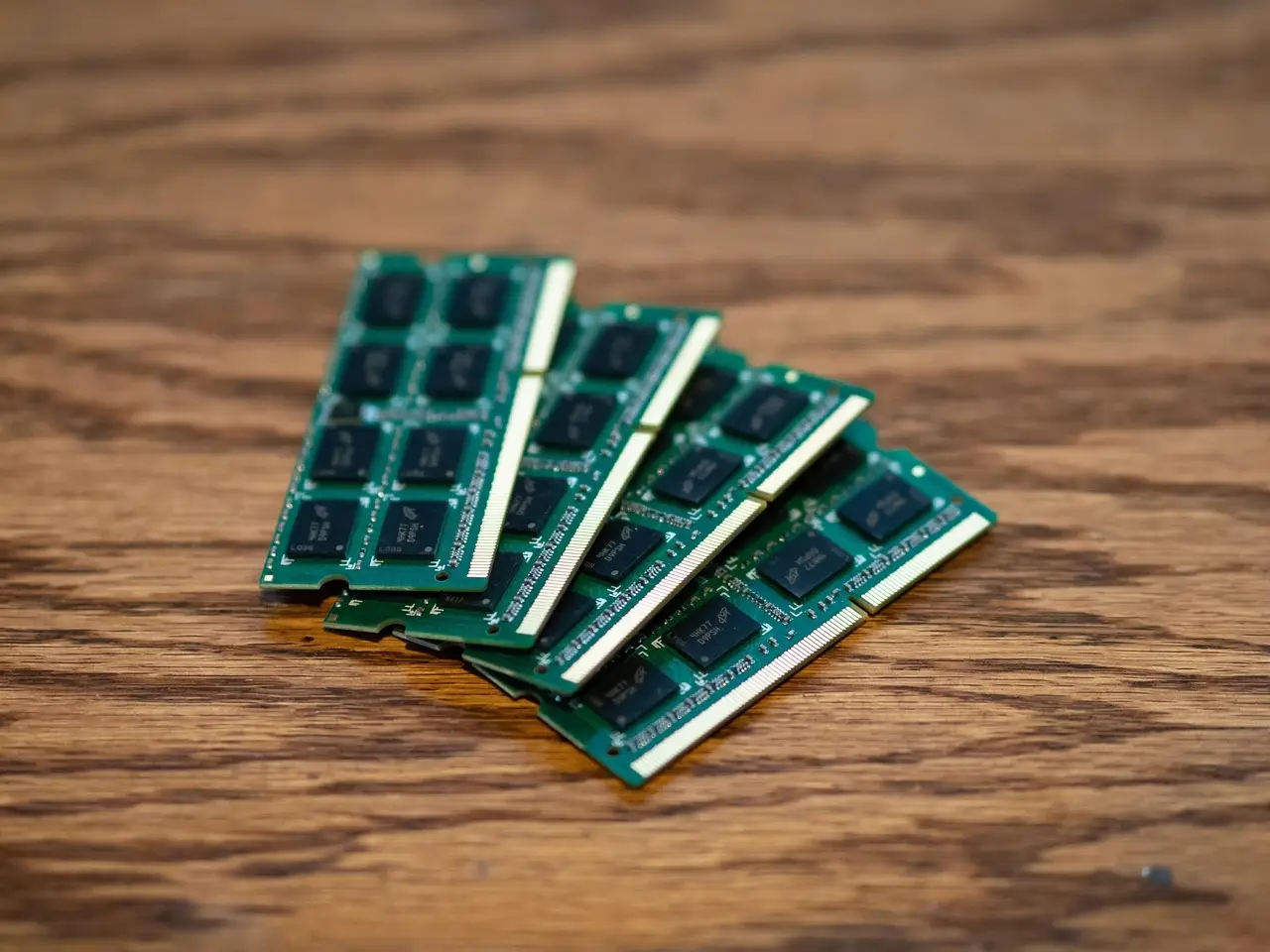
Samsung to Work With TSMC on HBM Production for First Time
Samsung will work with TSMC on HBM production for the first time, responding to standardization requirements set by NVIDIA, the dominant buyer of AI memory, a Moomoo-carried report says.
- By
- Grace Kim
- Filed
- Channel
- Memory & Storage
- Read
- 3 min read
Samsung will partner with Taiwan Semiconductor Manufacturing Company on high-bandwidth memory production for the first time, according to a report carried by Moomoo. The arrangement responds directly to standardization requirements set by NVIDIA, the dominant buyer of HBM for AI accelerators.
The reported deal marks a break from Samsung's practice of keeping advanced memory development in-house. Samsung has historically designed and fabricated its own HBM stacks. TSMC, by contrast, makes logic wafers and has never produced HBM as a merchant supplier. The two companies compete directly in contract chipmaking at leading nodes.
NVIDIA sits at the center of the change. The company buys the large majority of HBM output worldwide for its AI data-center GPUs. Its standardization requirements, according to the report, push memory suppliers toward a common production and qualification framework. Samsung's answer is to bring TSMC into the HBM supply chain rather than meet those requirements alone.
Why would Samsung bring in its foundry rival?
The report frames the decision as compliance with NVIDIA's requirements rather than a conventional commercial alliance. NVIDIA has pressed suppliers to standardize HBM so that its GPU platforms can draw memory from multiple qualified sources without redesign. That pressure now links the two largest players in advanced logic with one of the three HBM makers.
For Samsung, the arrangement carries clear risk. It asks the company to work with the foundry that has taken share from it at the most advanced process nodes. It also signals that Samsung cannot satisfy NVIDIA's requirements on its current internal path. No capacity figures, timeline, or financial terms appear in the report.
For TSMC, the work would extend its role beyond logic fabrication into memory production for the first time. TSMC already packages HBM stacks for major customers through its advanced packaging services, including CoWoS, which bonds HBM next to GPU dies. The reported collaboration would move that involvement upstream into production itself.
What does this mean for the HBM market?
HBM supply remains tight. SK Hynix leads the market and serves as NVIDIA's primary HBM supplier. Samsung has fought to qualify its HBM3E products with NVIDIA and expand its share. Micron rounds out the three producers.
A Samsung-TSMC production link, if confirmed, would change the competitive arithmetic in two ways:
- It would give NVIDIA a more standardized, multi-source HBM supply base, reducing its dependence on any single memory maker.
- It would embed TSMC more deeply in the AI memory chain, deepening the coupling between the leading foundry and the leading AI chip buyer.
The report does not state which HBM generation the collaboration would cover, which fab or fabs would be involved, or when output would begin. Samsung has publicly targeted leadership in next-generation HBM, and NVIDIA has said future GPU generations will require faster, higher-capacity memory. Those public positions are consistent with the standardization push the report describes, but the companies have not confirmed the production arrangement themselves.
How solid is the report?
The claim rests on a single media account relayed through Moomoo's news aggregation. Neither Samsung nor TSMC has issued a statement, and NVIDIA has not commented. Readers should treat the collaboration as reported rather than announced.
Even so, the direction fits the market's trajectory. NVIDIA's purchasing power has already reshaped memory development cycles, packaging investment, and qualification timelines across the industry. If Samsung and TSMC confirm the partnership, it would mark the first time the two companies jointly produce HBM and would signal that AI-accelerator requirements now dictate structure across both the memory and foundry segments.
Watch for confirmation from the three companies, and for any disclosure of capacity, node detail, or revenue terms, before treating the arrangement as settled.
Source: Google News: semiconductors
More from Grace Kim
Show full bio
Market editor covering people, launches and day-to-day practice in Semiconductors, chip manufacturing, hardware, AI compute at Chip Dispatch.
624 articles
Related articles
samsung-to-build-nvidia-s-next-gen-memory-on-tsmc-process-report-says-eb913bb2
Samsung to Build Nvidia's Next-Gen Memory on TSMC Process, Report Says
samsung-turns-to-tsmc-3nm-for-hbm-base-die-under-nvidia-pressure-2d822084
Samsung Turns to TSMC 3nm for HBM Base Die Under NVIDIA Pressure
samsung-reportedly-to-build-nvidia-s-next-gen-memory-on-tsmc-process-tech-1aab40c2
Samsung Reportedly to Build Nvidia's Next-Gen Memory on TSMC Process Tech
samsung-to-build-nvidia-memory-chips-on-tsmc-process-seoul-report-says-ec58ee97
Samsung to Build Nvidia Memory Chips on TSMC Process, Seoul Report Says