SpaceX and Tesla to Put $16.8 Billion Into Texas Terafab
Reuters reports SpaceX and Tesla will spend an initial $16.8 billion on the Terafab chip plant in Texas, putting the project among the largest US fab investments.
- By
- Tom Whitfield
- Filed
- Channel
- Chip Manufacturing
- Read
- 3 min read
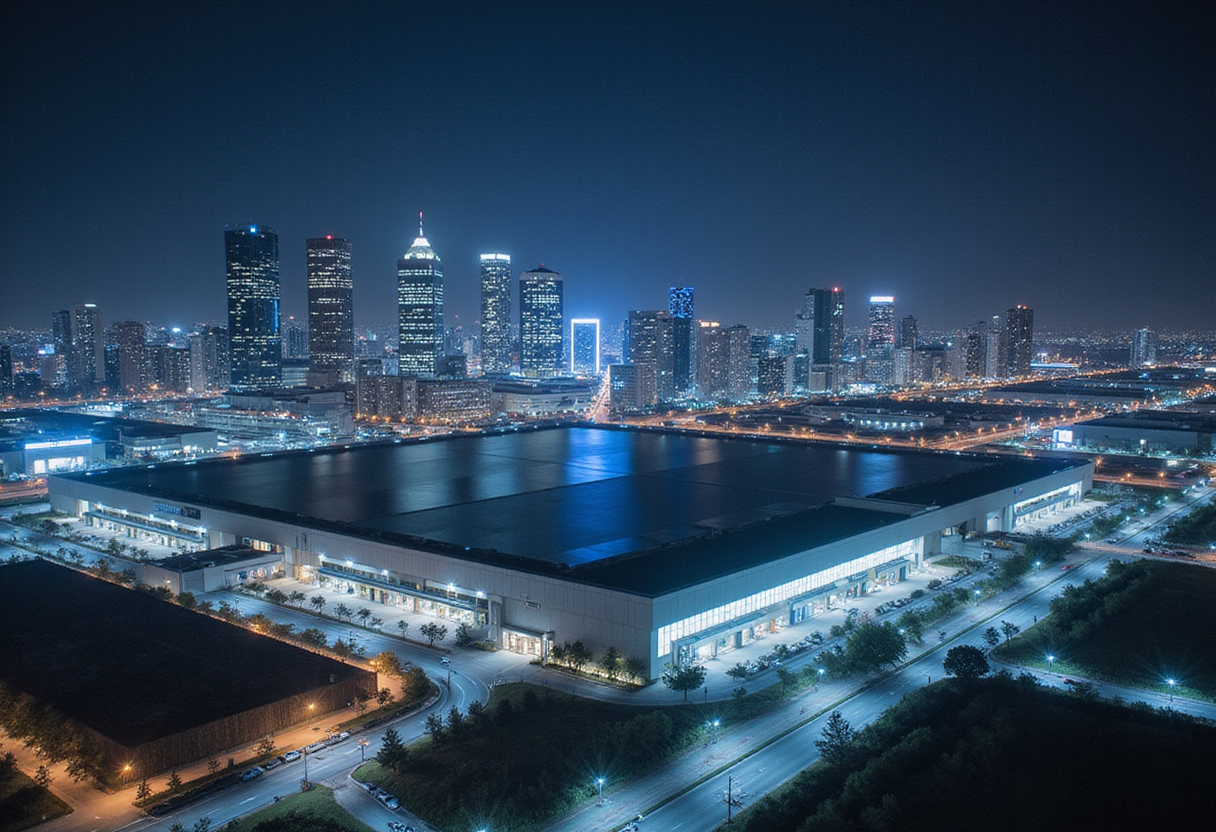
SpaceX and Tesla plan to spend an initial $16.8 billion on the Terafab chip plant in Texas, Reuters reports. The figure covers the first phase of investment in a facility that would give the two companies a domestic source of advanced semiconductors.
The commitment is large by any standard of recent fab construction. For comparison, leading-edge logic plants from TSMC and Samsung routinely require $20 billion to $30 billion per phase, so an initial outlay of $16.8 billion places the Terafab project in the same financial weight class as the industry's established heavyweights.
Who is spending, and on what?
Reuters names SpaceX and Tesla as the initial backers, both companies controlled by Elon Musk. The spending targets a plant described as a "Terafab" in Texas. The report does not yet break the total down between the two firms, nor does it specify which process nodes or wafer sizes the facility would run.
That absence of detail matters. A fab's cost, its output and its strategic value all depend on the node it targets. A mature-node plant serving power electronics and simple control chips is a very different proposition from a leading-edge fab supplying processors for spacecraft and vehicles.
Why does the location matter?
Texas has become a center of gravity for US semiconductor construction. Samsung operates a large fab campus in Taylor, and Tesla itself builds vehicles in the Austin area. A new plant there would tap an existing supplier base and a state government that has actively courted chip investment.
The federal CHIPS Act has also shifted the economics of building fabs on American soil, offering grants and tax credits that reduce the effective cost of domestic capacity. Reuters does not state whether the Terafab project would draw on such support.
What does this change for the supply chain?
Both SpaceX and Tesla buy semiconductors at scale today, and both have felt the strain of shortages and long lead times in recent years. Owning a fab, even partially, would move them from customer to producer.
That shift carries risk as much as opportunity. Chip manufacturing rewards operators with decades of process experience, and running a fab profitably is harder than funding one. Neither company has disclosed who would operate the plant or which technology partner, if any, would provide the process equipment and know-how.
The investment also fits a broader pattern of large technology firms seeking tighter control over critical components, a trend that has already pushed hyperscalers into custom silicon design and, in some cases, into co-funded manufacturing capacity.
What comes next?
The reported $16.8 billion is an initial figure, which implies later phases could raise the total substantially. Key unknowns remain: the node, the capacity target in wafers per month, the construction timeline and the split of ownership between SpaceX and Tesla.
If the project proceeds at that scale, it would add meaningful domestic capacity and give two of the country's most component-hungry manufacturers priority access to their own supply.
Source: Google News: chip factory investment
More from Tom Whitfield
Show full bio
Staff writer covering companies, deals and strategy in Semiconductors, chip manufacturing, hardware, AI compute at Chip Dispatch.
386 articles
Related articles
musk-s-terafab-pitch-chip-output-worth-switzerland-s-gdp-e4bb37bf
Musk's 'Terafab' Pitch: Chip Output Worth Switzerland's GDP
tsmc-weighs-six-fab-texas-build-out-that-could-top-arizona-665c9097
TSMC Weighs Six-Fab Texas Build-Out That Could Top Arizona
inside-the-16-8bn-terafab-plan-reshaping-chip-supply-558a11b8
Inside the $16.8bn Terafab Plan Reshaping Chip Supply
musk-confirms-spacex-will-run-terafab-putting-tsmc-in-spotlight-c4230b71
Musk Confirms SpaceX Will Run 'Terafab,' Putting TSMC in Spotlight