Hardware & ComponentsLOT 261120 · 3 min read
SpaceX Finishes Design of Rooftop Mini Cell Tower, Targets 2027 Production
SpaceX has finished designing a Starlink-dish-sized rooftop cell tower for 2027 production, pairing it with $25 billion in spectrum deals and a 40-fold bandwidth boost from Direct-to-Cell V2 satellites.
Key takeaways
- Musk says the rooftop mini cell tower design is complete, with production expected in 2027
- Direct-to-Cell V2 constellation launches next year with a 40-fold bandwidth increase
- SpaceX paid $17 billion for EchoStar spectrum in 2025 and $8 billion for low-band spectrum this year
- FCC approved the T-Mobile direct-to-phone partnership in 2024
- Musk predicts AI and robots, not displaced carrier customers, will drive future bandwidth demand
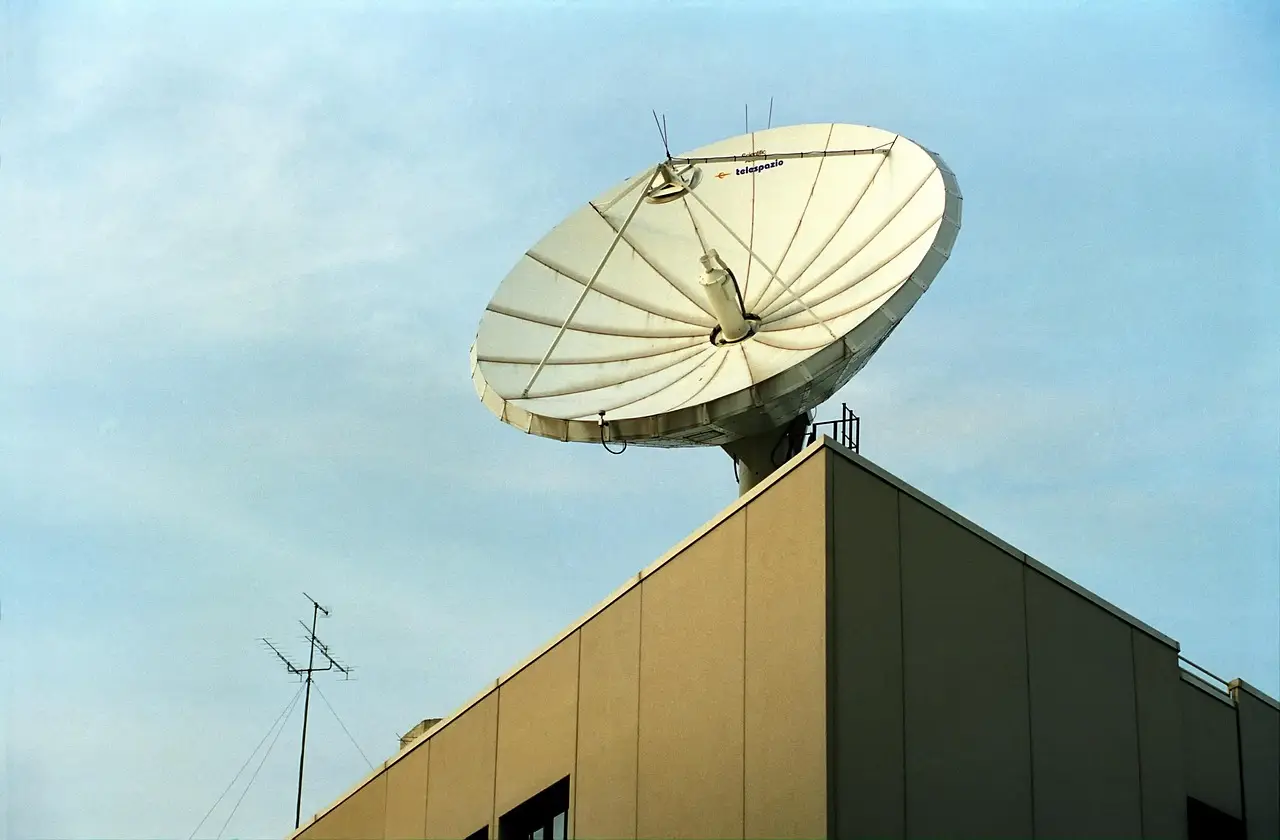
SpaceX has completed the design of a miniature rooftop cell tower and expects the device to enter production in 2027, CEO Elon Musk said during an interview at the DealBook Summit this week. The product is the terrestrial half of a plan the company has spent roughly $25 billion assembling through spectrum acquisitions.
"We've got a plan that enables ubiquitous access on Earth, including via cell phone," Musk said. The missing piece, he explained, is indoor coverage: "if you're indoors, especially if you have a metal roof, that blocks the signal from space. So we need something that's terrestrial that addresses situations where people are, you know, in a building with a thick roof essentially."
What did SpaceX actually build?
Musk described the hardware as "a micro cell tower thing that you just put on your roof, like a Starlink dish." The comparison is doing real work here. A device the size of a consumer satellite dish is not a macro tower, and SpaceX has no intention of building one.
President Gwynne Shotwell confirmed as much during the company's August earnings call. SpaceX, she said, will deploy small, low-power cellular base stations rather than the large towers used by incumbent carriers. Even now, details remain fluid. Musk said one approach would bundle the small base stations together with Starlink terminals, which suggests the final commercial packaging is not yet fixed.
His own delivery estimate came with an implicit discount. The devices are "going into production, I think, next year," he said — a hedge from an executive with a well-documented history of missing his own deadlines. The idea of terrestrial relay stations is not new; what changed this week was visibility into how far the hardware has progressed.
Where does the spectrum come from?
The tower design sits on top of a two-year spectrum shopping spree. The Federal Communications Commission approved SpaceX's direct-to-phone plans in 2024, in partnership with T-Mobile. SpaceX then struck a $17 billion deal with EchoStar in 2025 and agreed this year to acquire a portfolio of low-band spectrum valued at $8 billion.
Combine that licensed spectrum with millions of rooftop base stations, in Musk's telling, and the dead zone problem ends. The architecture is hybrid by construction: satellites cover the open air, and small terrestrial stations carry the signal through roofing that would otherwise block it.
Does this kill the carriers?
Speculation that a hybrid cellular-satellite network threatens legacy telecoms has circulated since the spectrum purchases began. Musk does not share that view, at least publicly.
"I don't think this means, like you know, AT&T, Verizon, or others go out of business or anything," he said. They may lose some revenue, he conceded. His bet rests on demand creation rather than substitution: "I actually think that the demand for bandwidth will be tremendous in the future, and a lot, and that bandwidth will be driven primarily by superintelligence and robots, and they're going to need a lot more bandwidth than humans."
That is a forecast, not a measured market, and it arrived at a media summit rather than in a filing. It does, however, frame the commercial logic: SpaceX is building capacity for users that do not yet exist, on the theory that machines will out-consume people.
What happens next year?
The nearer-term milestone is orbital. Musk said SpaceX will launch its Direct-to-Cell V2 satellite constellation next year, increasing bandwidth 40-fold over the current generation. That capacity increase is the precondition for the rooftop towers to matter; a terrestrial relay can only distribute what the constellation delivers.
The sequence, then, is fixed: V2 satellites in 2026, base station production targeted for 2027, and carrier economics to be tested after that. Whether the 2027 date survives contact with Musk's production record is the variable investors and rivals will both be watching.
techcrunch.com (Source)
More from Nathan Brooks
Show full bio
Senior reporter covering people, launches and day-to-day practice in Semiconductors, chip manufacturing, hardware, AI compute at Chip Dispatch.
1,142 articles
Read also
- 18 Motors, 10 kHz: FPGAs Take Robotic Control and 4K Vision Center Stage at electronica 2026
- Applied Optoelectronics Opens $550M Share Sale as Optics Rally Extends
- Co-Packaged Optics Hit a Fiber Problem: No Standard Connector Exists
- USA Rare Earth Jumps 5% After Trump Pledges to Catch China in 10 Months