Memory & Storage · 3 min read
TrendForce sees RAM prices stabilizing in 2027, falling in 2028
TrendForce projects RAM prices will stabilize by mid-to-late 2027 and fall in 2028 as new fabs arrive and AI-server demand slows, offering relief before the 2029-2030 shortage horizon.
Key takeaways
- Base case: RAM prices stabilize in mid-to-late 2027 and decline in 2028.
- Bear case: price contraction starts in Q4 2027, followed by a larger fall in 2028.
- Memory manufacturers have warned of shortages through 2029-2030.
- Shortage-related memory fabs are expected online by 2028.
- Alice Huang is suspected of helping smuggle $7.5 billion of Nvidia AI GPUs into China.
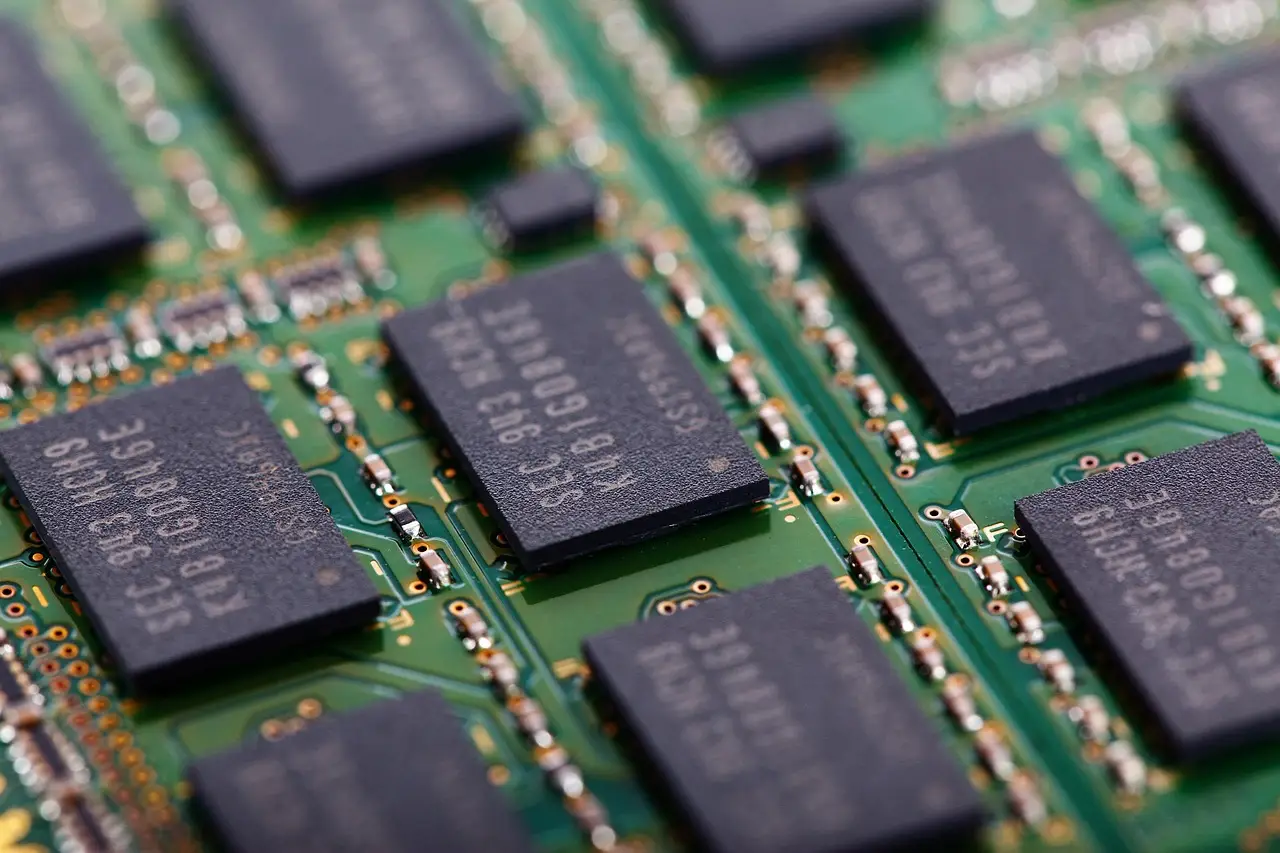
TrendForce expects RAM prices to stabilize by mid-to-late 2027 and begin declining in 2028 under its base case, ahead of memory makers’ warnings that shortages could persist through 2029-2030. The Taiwan-based research firm also defines a “bear case”: prices would start contracting in the fourth quarter of 2027, followed by a larger decline in 2028.
Why does TrendForce expect relief before 2029?
Even the faster decline in TrendForce’s bear case would arrive before the shortage horizon cited by manufacturers. The research firm identifies falling demand, rather than a sudden collapse in chip supply, as the main reason for its forecast.
TrendForce says untenable memory price increases have caused consumer-electronics demand to fall. Chinese cloud service providers have also begun reducing demand for server DRAM during the last quarter of this year.
North American data-center sites have taken up some of that slack, but their prospects remain uncertain. TrendForce cites massive losses tied to data-center measures during the U.S. midterm elections, which could restrict the shift of Chinese server DRAM demand to the United States.
Acer chairperson and CEO Jason Chen made a similar argument earlier this year. He said memory makers were “only hyping the shortage to protect their margins,” directly challenging their 2029-2030 shortage forecast.
The mechanism is a change on both sides of the market. Memory prices have risen enough to weaken purchases, while manufacturers have begun construction projects that should add supply in 2028. In plain terms, demand should soften before the new production fully reaches the market.
How could AI-server demand weaken further?
S&P Global Ratings has warned that Nvidia’s rating could be downgraded while it investigates management and governance issues involving Jensen Huang. A downgrade could lead Nvidia to reduce funding for neocloud providers, cutting demand from smaller data-center operators that buy AI servers.
The report also links tighter U.S. export rules to publicity surrounding Huang’s affair with Alice Huang. It says Alice Huang is suspected of helping smuggle $7.5 billion worth of Nvidia AI GPUs into China.
After the Bureau of Industry and Security tightened its rules, Nvidia instructed partner manufacturers to stop shipments of Nvidia-powered AI servers to Singapore, Malaysia, Thailand, and Indonesia. Companies based in those four countries must obtain an export license from the Commerce Department before they can receive their orders.
Those restrictions can interrupt purchases by customers that might otherwise support server DRAM demand. Together with lower spending at smaller data centers, they create another route into TrendForce’s faster price-decline scenario. In plain terms, trade controls and Nvidia’s funding decisions could weaken AI-server demand without a broad collapse in cloud investment.
What changes when new fabs arrive?
Memory manufacturers began constructing factories to address the shortage, and those fabs are expected to come online by 2028. TrendForce combines that new capacity with an expected slowdown in demand growth to reach its forecast of lower chip prices by 2028.
The “bear case” assumes that more stringent and effective export controls take hold and that cloud providers consolidate. Those developments could cut AI-server orders further and produce a deeper decline in memory pricing, according to the research firm.
The timing does not mean consumers receive immediate relief. Even if TrendForce’s path proves correct, relief would still take several months to reach consumers and other end users.
Gamers, enthusiasts, PC builders, and companies struggling to obtain memory would benefit from lower prices. TrendForce does not quantify the expected savings or the amount of capacity in the factories due online in 2028.
In plain terms, the commercial question is whether supply arrives on time while demand keeps cooling. If both conditions hold, RAM buyers should see stabilization in 2027 and lower prices in 2028, rather than an immediate resolution of the present shortage.
Tom's Hardware (Source)
More from Tom Whitfield
Show full bio
Staff writer covering companies, deals and strategy in Semiconductors, chip manufacturing, hardware, AI compute at Chip Dispatch.
1,336 articles