Hardware & Components · 3 min read
UL V2G-AC Standard Opens Path to Bidirectional EV Charger Rollout
UL approves the first formal V2G-AC certification path for bidirectional EV chargers, while Navitas ships 2,200-V GaN devices and magniX readies a 235-hp electric RV-10 for 2026 test flights.
Key takeaways
- UL approved a V2G-AC Certification Program enabling widespread commercial deployment of bidirectional EV chargers.
- Navitas introduced 2,200-V PowiGaN devices claimed as an industry first for AI data centers, EVs, PV and HVDC.
- Van's Aircraft and magniX will test a 235-shp electric RV-10 powerplant starting late 2026.
- Bourns added AEC-Q200-compliant 0508/0612 shunts delivering up to 2 W power density.
- STMicroelectronics launched a multi-kilowatt PFC controller and compact 20-A SLLIMM intelligent power modules.
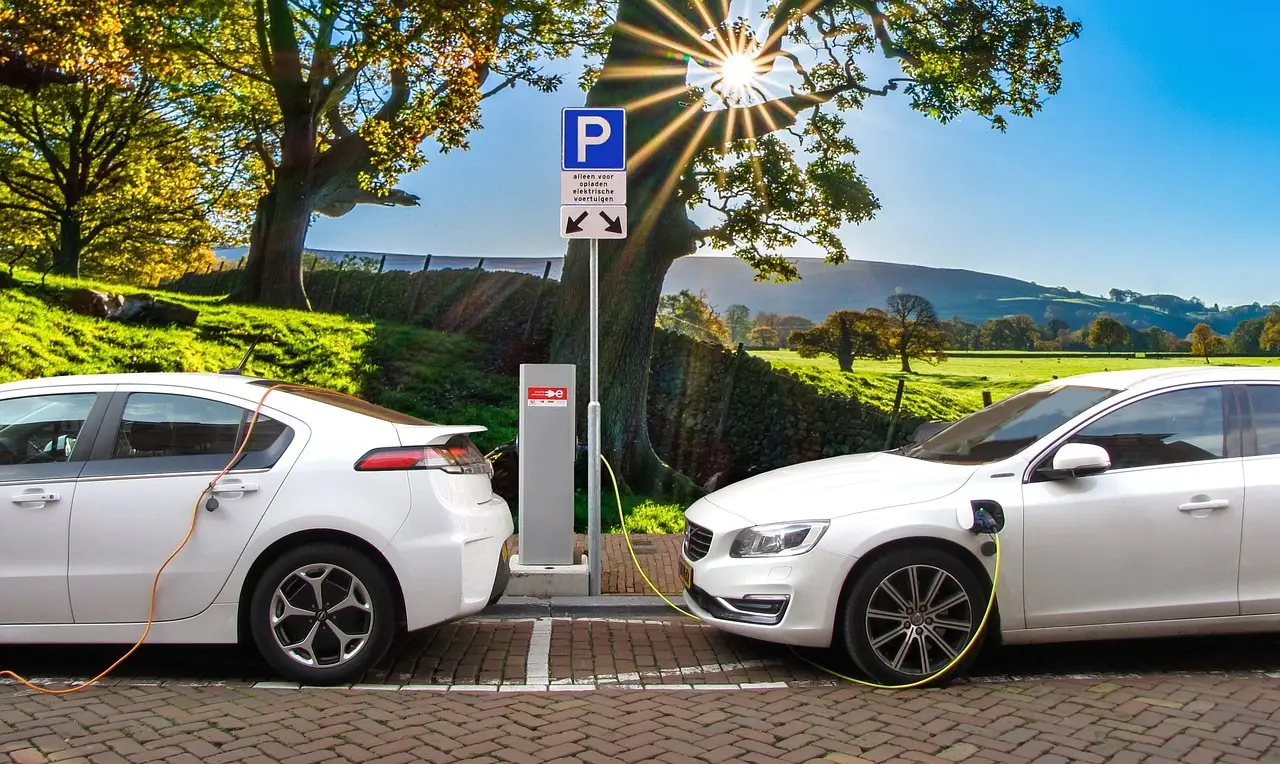
Underwriters Laboratories has approved a UL V2G-AC Certification Program that gives the industry its first formal testing method for vehicle-to-grid chargers. The program provides a standardized path to widespread deployment of bidirectional AC EV chargers in commercial settings, removing a certification gap that has slowed utilities and fleet operators from monetizing parked EV batteries as grid assets.
The standard anchors a week of power-electronics news that spans aviation, data centers, and energy storage.
What does the 2,200-V GaN announcement change?
Navitas Semiconductor detailed its 2,200-V PowiGaN power devices, which the company describes as an industry first at that voltage class for gallium nitride. The higher blocking voltage enables greater power density, higher efficiency, and simpler system architectures for AI data centers, electric vehicles, photovoltaic inverters, and HVDC infrastructure, according to the company.
The release arrives as AI data center power budgets climb and designers search for wide-bandgap alternatives to silicon at higher bus voltages. Navitas said it is also developing AI data center PSUs and broader AI infrastructure that combine Wise Integration's digital control technology with its own wide-bandgap portfolio, pairing digital control loops with GaN and silicon carbide switching stages.
Sodium-ion chemistry also advanced this week. The digest reports continued evolution of Na-ion batteries, a chemistry that trades some energy density for lower cost and better cold-weather performance than lithium-ion and that several Chinese cell makers have already shipped at scale.
When does the electric RV-10 fly?
Van's Aircraft has partnered with propulsion developer magniX to re-power its popular four-seat RV-10 kit aircraft with a 235-shp electric powerplant. Test flights are expected to begin in late 2026.
magniX supplies the electric propulsion systems used in several certified and experimental electric aircraft programs, and the RV-10 conversion targets the largest segment of the homebuilt fleet. The project signals that electric aviation is moving from one-off demonstrators toward re-engining proven airframes.
What else landed in power components?
A fall crop of motor-control and power semiconductors reached the market:
- STMicroelectronics PFC controller: the company's latest power-factor-correction controller offers extensive protection features for switched-mode power supplies with outputs up to several kilowatts.
- STMicroelectronics 20-A intelligent power modules: the compact SLLIMM devices integrate control and drive stages with smart control and protection features in top-cooled packages, targeting space-constrained motor-drive designs.
- Bourns current-sense shunts: the AEC-Q200-compliant 0508 and 0612 metal-foil shunts deliver up to 2 W of power density, low TCR, and wide-terminal heat spreading in compact automotive footprints. Bourns expanded the range of available resistance values and tolerance options, adding flexibility for precision current measurement in space-constrained power systems.
How safe are always-on BMS electronics?
A white paper from the Global Electronics Association examines reliability validation of battery-management-system electronics that operate continuously. The paper argues that always-on BMS devices require smarter, more application-representative test methods than conventional qualification flows provide, because field failure modes in continuously biased circuits differ from those captured by standard stress screening.
The finding matters as BMS chips proliferate across EVs, stationary storage, and grid infrastructure, where a single undetected degradation path can trigger costly recalls or thermal events.
What is happening beyond the components?
Two additional reports round out the picture. A study of renewable thermal technologies documents commercially proven solutions now adopted by African paper mills and steel producers, indicating that decarbonized process heat is moving past pilot stage in heavy industry.
Separate coverage tracks continued growth of fossil-free generation capacity on the U.S. grid, a trend that increases demand for the inverters, chargers, and storage electronics that dominated this week's product news.
The UL V2G-AC program, the 2,200-V GaN milestone, and the magniX re-powering effort all point in the same direction: power electronics qualified for higher voltages and bidirectional operation are becoming the connective tissue between transport, aviation, and the grid.
Electronic Design (Source)
More from Grace Kim
Show full bio
Market editor covering people, launches and day-to-day practice in Semiconductors, chip manufacturing, hardware, AI compute at Chip Dispatch.
1,267 articles