Science & Technology · 4 min read
Yaroslav Sheiko wins Ukraine award for GPS-free drone autopilot
Yaroslav Sheiko, an 11th-grade Poltava student, won Zelenskyy’s “The Future of Ukraine” award for an AI-powered UAV autopilot that navigates without GPS and an optical-electronic stabilization system.
Key takeaways
- Zelenskyy awarded 11th-grader Yaroslav Sheiko “The Future of Ukraine” for multiple technical achievements.
- Sheiko built an AI-powered UAV autopilot that operates without GPS and an optical-electronic stabilization system.
- His record includes two presidential scholarships, two national top awards, INOVA 2025 gold and a 2025 Hackathon silver.
- Ukraine conducted a 12-hour, 1,500-mile strategic drone strike and used a heavy-lift UAV for a minefield evacuation.
- China showed a 200-drone AI swarm; Japan is developing a $2,000 cardboard unit; the UK plans DragonFire deployment by 2027.
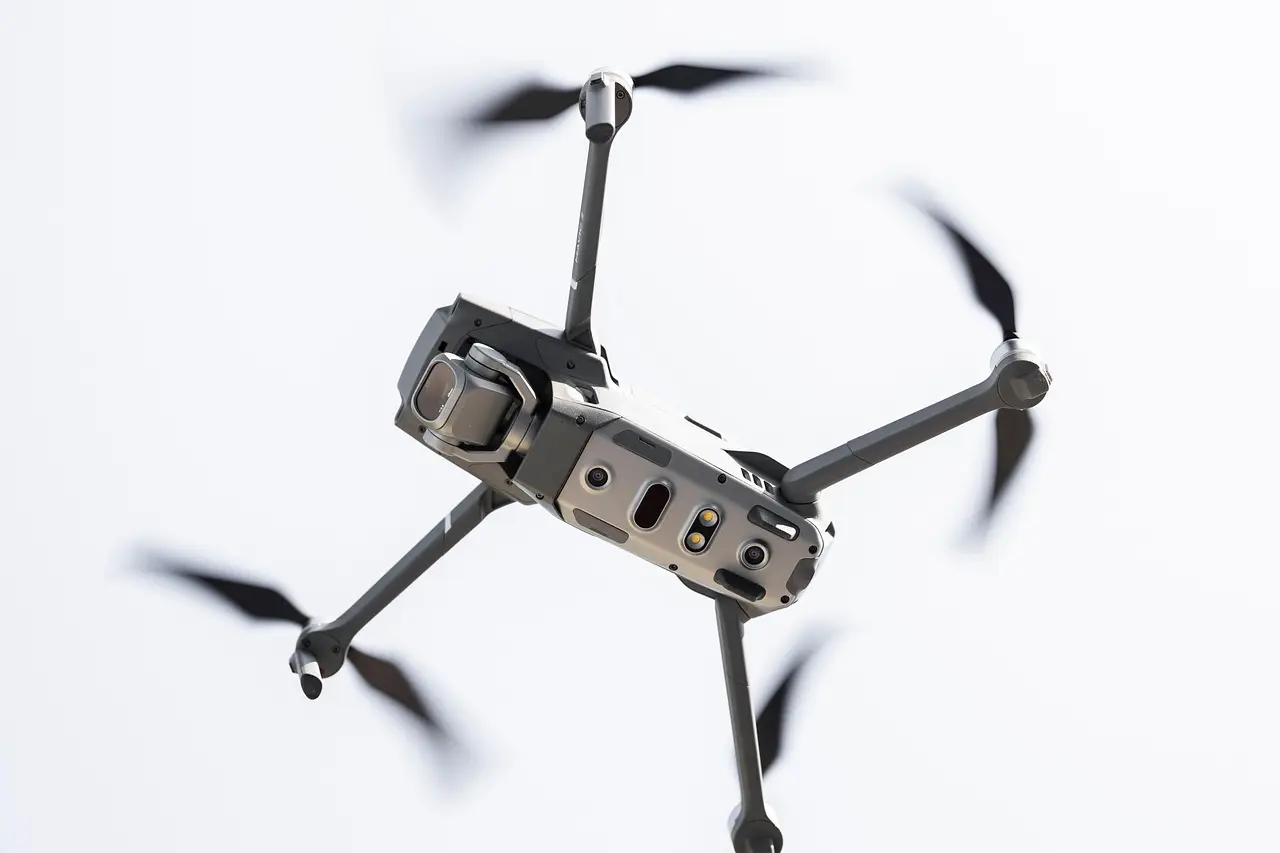
President Volodymyr Zelenskyy awarded 11th-grade student Yaroslav Sheiko “The Future of Ukraine” for multiple technical achievements, Poltava Wave reported. The Poltava student built an AI-powered drone autopilot that guides unmanned aerial vehicles without GPS signals and an optical-electronic stabilization system.
Poltava lies about 190 miles west of Kyiv. The report names no processor, sensor, communications chipset, airframe or supplier, and gives no performance data, production volume, unit cost or field deployment for either system.
What has Sheiko built?
Poltava Wave says the autopilot allows unmanned aerial vehicles to reach their destination without relying on GPS. It does not explain the underlying AI model, sensing arrangement, control architecture or how the optical-electronic system performs. The omission matters because front-line jamming can deny the satellite navigation that Sheiko’s design reportedly avoids. What remains confirmed is the existence of the two inventions and the award, not a record of operational deployment.
What stands behind the award?
Sheiko has received two presidential scholarships for academic performance and contributions to science. He took the top award twice in nationwide competitions organized by Ukraine’s Junior Academy of Sciences. His international record includes gold at the INOVA 2025 International Inventions Show and silver at the 2025 Hackathon.
The “Future of Ukraine” prize is the latest addition to that record. The pattern shows sustained recognition across science competitions and invention events, rather than a single winning submission.
How is Ukraine adapting drones to jamming?
Ukraine receives military assistance from allies, but it is also developing domestic technology to improve drone effectiveness. Front-line jamming and electronic warfare make GPS denial a practical constraint for unmanned aircraft. Ukraine has equipped a grounded fleet of U.S.-made Puma reconnaissance drones with domestic anti-jamming systems. A network of what the report calls “flying modems” increases the range of attack drones without reliance on unreliable Starlink connections.
The report credits Ukraine with being the first to use a heavy-lift UAV to evacuate a wounded soldier from a minefield. It also records a 12-hour, 1,500-mile strategic drone strike on Russian targets. Anti-drone work includes repurposing old Android phones as an acoustic sensor network for early warning. A cheap, high-powered laser air-defense system has shot down Russian jet drones, according to the report.
These measures target two distinct problems: keeping friendly drones effective under interference and detecting or defeating incoming drones. The source describes Russia’s invasion as already ongoing for 12 years, with full-scale conflict continuing since 2022. It assesses Sheiko’s broader technical ability as a potential asset for Ukraine’s defense industry. Taken together, the programs favor locally controlled navigation, communications and defense rather than complete dependence on imported systems or satellite links.
How are other militaries responding?
The military drone race now includes scale, low cost and new defensive weapons on several fronts. China revealed a 200-strong AI drone swarm controlled by one soldier through what the report terms an “intelligent algorithm.” Japan is developing an ultra-cheap cardboard drone swarm that the report says costs $2,000 per unit. The UK plans to deploy the DragonFire anti-drone laser on Royal Navy destroyers by 2027. The United States is training land and sea units to 3D-print combat-ready drones, assemble and maintain them in-house, and adapt them for individual missions.
These examples have different maturity levels: a revealed swarm, a development effort, a dated deployment plan and a training program. No comparable cost, capacity or performance data accompanies Sheiko’s work, leaving its scale outside the comparison. The competitive benchmark is therefore widening from single inventions to swarms, local manufacture and lower-cost defenses.
What remains unknown about deployment?
Neither Sheiko invention is linked to a named UAV, military unit or procurement program in the report. Ukraine has not said whether either system passed field testing, entered serial production or generated revenue. Without test results, production capacity or unit pricing, outside observers cannot compare reliability, range or cost. The next meaningful measure will be disclosed field performance and manufacturing scale, not another award alone. Until Ukraine publishes field results, production capacity and adoption plans, Sheiko’s systems remain technically uncharacterized, even as competing programs move toward larger swarms, cheaper platforms and laser defenses.
google.com (Original)
More from Tom Whitfield
Show full bio
Staff writer covering companies, deals and strategy in Semiconductors, chip manufacturing, hardware, AI compute at Chip Dispatch.
1,323 articles