AI & ComputeLOT 261120 · 2 min read
Google Books Blue Origin's New Glenn for 2029 Space AI Satellite Launch
Blue Origin's New Glenn will launch Google's Project Suncatcher AI satellites in Q1 2029. Each satellite carries TPUs with roughly a data center rack of compute; neither firm disclosed counts or costs.
Key takeaways
- New Glenn will deploy Google's Suncatcher satellites into sun-synchronous orbit in Q1 2029.
- Each satellite carries Google TPUs with roughly the compute of one data center rack.
- The first prototype launched on a SpaceX Falcon 9 rideshare in October and booted TPUs running Gemma 4.
- Google's paper pegs viability at launch prices below $200/kg by the mid-2030s.
- New Glenn's return to flight has slipped to January 2027 after delays and a launchpad explosion.
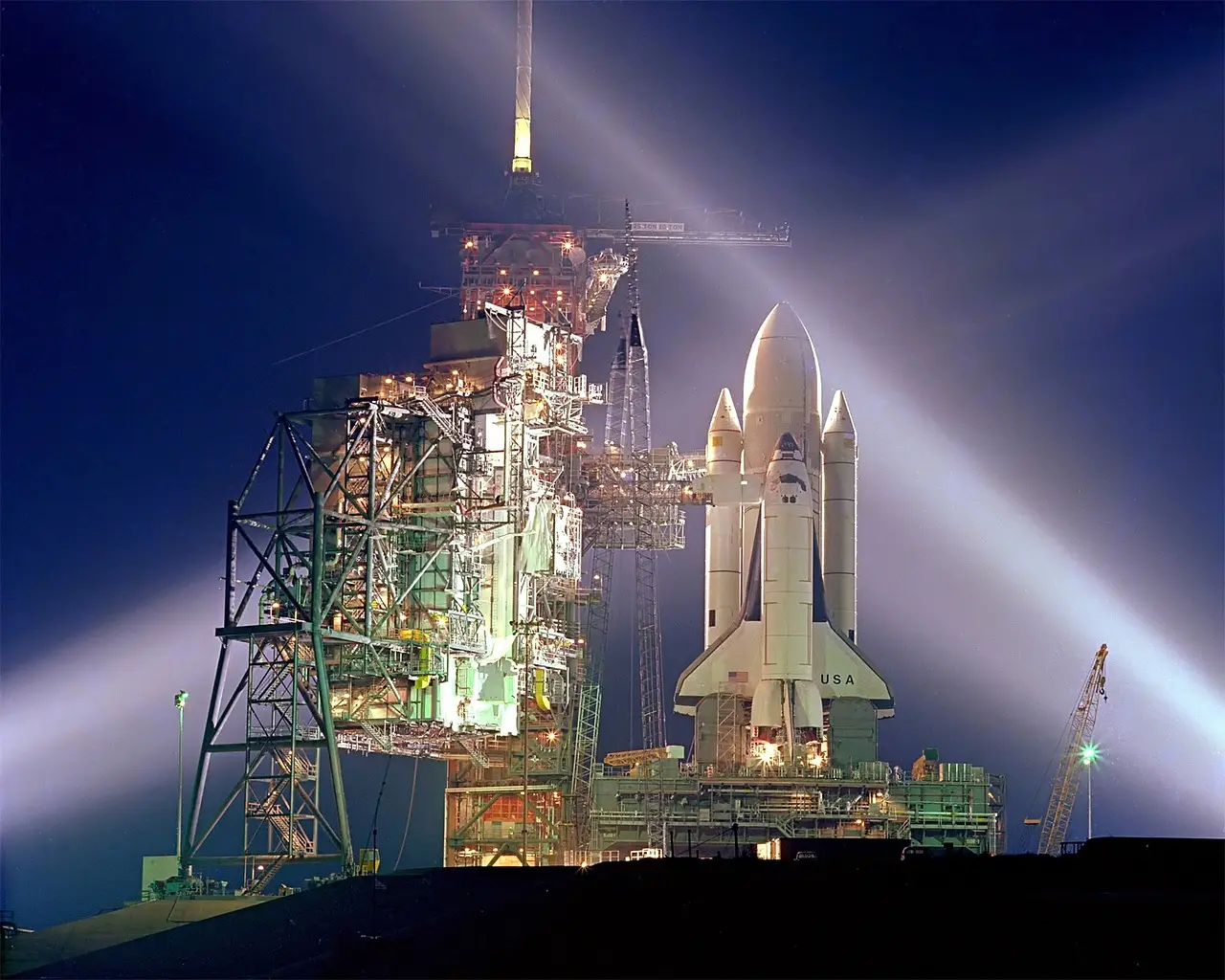
Blue Origin's New Glenn rocket will carry Google's Project Suncatcher satellites into sun-synchronous orbit in the first quarter of 2029, Google announced on Thursday, Nov. 19. Each satellite packs roughly the computing capacity of a data center rack. Neither company would say how many satellites will fly or what the launch costs, Reuters reported.
The mission is the first dedicated heavy-lift launch for Suncatcher, Google's long-term bet on running AI infrastructure in space using solar power collected in orbit. The satellites will carry Google's tensor processing units, the company said. Blue Origin confirmed Google picked New Glenn to launch several computing satellites, but stopped there on specifics.
What is Project Suncatcher?
Google introduced Suncatcher in November 2025 as a research design for constellations of solar-powered satellites carrying TPUs and linked by free-space optical connections. The birds would fly in a dawn-dusk sun-synchronous orbit — a slot where they get near-constant sunlight and need fewer heavy batteries.
The economics hinge on launch pricing. Google's paper argued that if launch prices fall below $200 per kilogram by the mid-2030s, a space-based data center could be roughly comparable to a ground one on energy cost per kilowatt-year. At the time, Google planned a learning mission with Planet to launch two prototype satellites by early 2027.
That prototype work has already started. Google and Planet launched the first Suncatcher prototype on a SpaceX rocket in October, and Google said it is operating as expected, Reuters reported. The satellite flew on a Falcon 9 rideshare, booted its TPUs and used the onboard Gemma 4 model to send an AI-generated haiku back to Earth, The Verge reported. Not bad for a shakedown cruise.
The prototype has a serious to-do list: testing whether the chips survive launch forces, radiation and temperature extremes, and figuring out how to cool them without airflow — a hard problem when there's no air.
Why Blue Origin's rocket matters
Google said the Blue Origin launch builds on its work with other satellite and launch partners. For Blue Origin, the deal lands a major future mission for New Glenn at a rocky moment. The rocket has faced delays and a launchpad explosion, and the company has pushed its return to flight to January 2027. Last week, Blue Origin put its Orbital Reef space station on hold.
Google isn't alone in the orbital data center race. SpaceX and startup Starcloud are also exploring the concept. Experts cited by Reuters point to launch costs, engineering hurdles and limited satellite production as obstacles that could keep such systems years away from commercial use. Astronomers have also warned that large computing constellations could crowd the night sky.
The 2029 target gives Blue Origin roughly two years of runway to prove New Glenn can fly reliably, and Google that same window to show its orbit-hardened TPUs can do real work at scale.
mlq.ai (Source)
More from Rebecca Stone
Show full bio
Correspondent covering technology and product news in Semiconductors, chip manufacturing, hardware, AI compute at Chip Dispatch.
1,178 articles