Hardware & Components · 2 min read
AMD pushes Radeon RX 9060 XT to 4.837 GHz world record
AMD's RX 9060 XT hits 4,837 MHz under liquid nitrogen, 54.5% above stock boost, as record LN2 runs edge RDNA 4 toward 5 GHz while retail prices stay near $700.
Key takeaways
- AMD set a GPU frequency world record of 4,837 MHz with the RX 9060 XT on November 15, per the SkatterBencher OC World Record Museum database.
- The run used liquid nitrogen; GPU-Z logged -49°C, 62W power draw, and 1.434V.
- The record beats the prior 4,789 MHz mark from June 2026 by 48 MHz; stock boost is 3,130 MHz.
- The RX 9060 XT 16GB carries a $349 MSRP but currently sells for over $700.
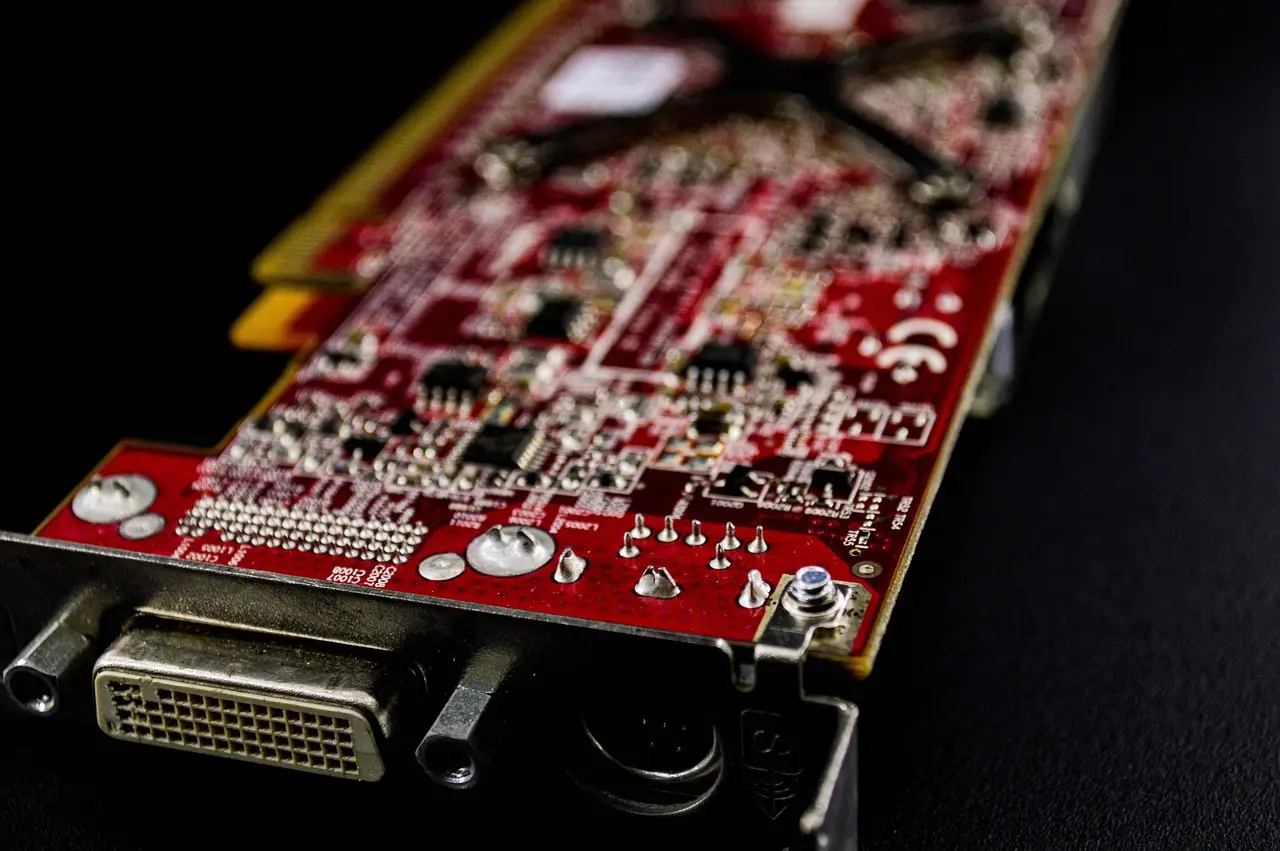
AMD's Radeon RX 9060 XT now holds the GPU frequency world record: 4,837 MHz, set under liquid nitrogen on November 15 and logged in the OC World Record Museum database maintained by SkatterBencher. The mark came from the midrange part, not the flagship. AMD VP Jack Huynh and veteran overclocker Bill Alverson did the run to celebrate the opening of a new Micro Center store in Austin, Texas.
That detail matters for anyone tracking RDNA 4 silicon. The record chip is a Navi 44 GPU with 2,048 shading units across 32 compute units, a 160W TDP, and 16GB of GDDR6 on a 128-bit bus. Its stock boost clock tops out at 3,130 MHz. At 4,837 MHz, the GPU ran roughly 54.5% faster than its advertised boost frequency.
A GPU-Z screenshot confirms the numbers: GPU temperature at -49°C, power draw of just 62W, and voltage at 1.434V. Yes, 62W. Extreme cold lets voltage do the heavy lifting without the chip cooking itself.
How do you reach 4.8 GHz on a chip rated for 3.1?
Liquid nitrogen and liquid helium. These coolants push component temperatures far below anything air or ambient-temperature liquid cooling can manage, effectively stripping thermal limits out of the equation. That lets overclockers force large amounts of power into a chip for the highest clocks it will physically tolerate.
The trade-off is brutal. LN2 runs demand careful hardware preparation, constant monitoring, and custom heatsinks to contain the coolant — and they last only as long as the liquid does before it evaporates. Nobody should read 4,837 MHz as a number any stock, air-cooled RX 9060 XT will approach. These records exist to demonstrate the absolute limits of the hardware, not sustained performance for everyday use.
Is 5 GHz next for RDNA 4?
The path suggests it's close. This isn't the first time enthusiasts have pushed AMD's RDNA 4 silicon to extreme frequencies. The RX 9060 XT previously hit 4,769 MHz in February 2026, and another attempt in June reportedly reached 4,789 MHz. The new record stands 48 MHz above that June mark. AMD's latest GPU architecture has never been closer to the 5 GHz milestone — the remaining gap is 163 MHz.
Why the record won't move retail
For the average gamer, the real obstacle to enjoying an RX 9060 XT isn't overclocking headroom. It's price. The RX 9060 XT 16GB launched at an MSRP of $349, but these cards currently sell for over $700 in late 2026 — double the sticker, turning a formerly budget-friendly enthusiast card into poor value.
So the achievement stands mostly as silicon validation: Navi 44 can clock higher than any consumer GPU before it. Unless street prices fall back toward the $349 MSRP, that frequency record won't translate into more gamers running Radeon hardware in their rigs.
Tom's Hardware (Source)
More from Rebecca Stone
Show full bio
Correspondent covering technology and product news in Semiconductors, chip manufacturing, hardware, AI compute at Chip Dispatch.
1,317 articles