DeepSeek and Huawei Reportedly Build AI Chip to Reduce Nvidia Dependence
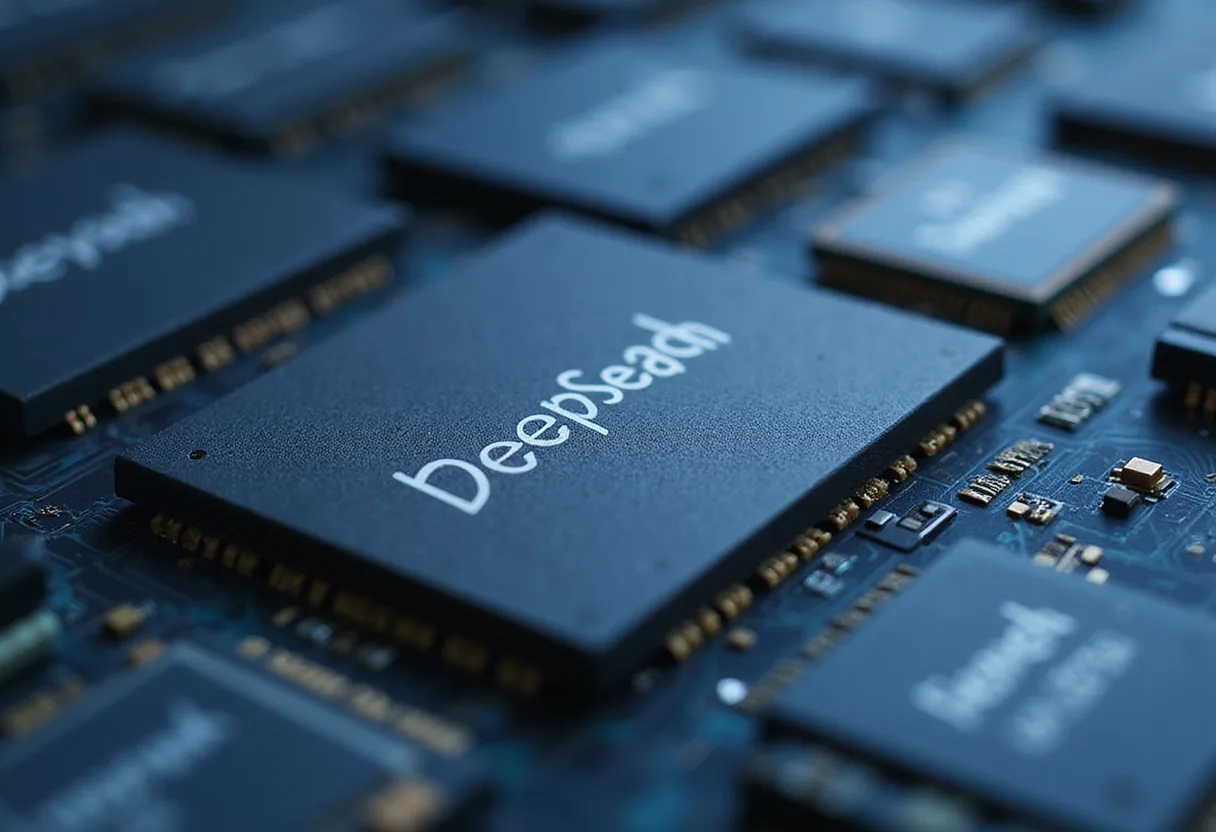
DeepSeek and Huawei are reportedly developing an AI chip to replace Nvidia GPUs, per TokenPost. No node, fab partner, or date has been disclosed.
- By
- Sophie Lindqvist
- Filed
- Channel
- AI & Compute
- Read
- 3 min read
Chinese AI firm DeepSeek and Huawei are working together on an artificial intelligence chip, according to a report by TokenPost. The stated goal is to cut reliance on Nvidia processors. Neither company has confirmed the project. No fabrication schedule, process node, or performance target has been disclosed.
The report exists as a headline and a claim. It offers no numbers. That absence matters. Claims of domestic AI silicon from China arrive frequently, and most lack confirmed tape-out dates, wafer volumes, or yield data. Readers should treat this as an unverified roadmap item, not a shipping product.
What does the partnership reportedly involve?
According to TokenPost, the two firms aim to develop an AI accelerator that substitutes for Nvidia hardware. Huawei already designs its own AI chips through the Ascend product family. DeepSeek, best known for its large language models, currently depends on Nvidia GPUs for training and inference.
The logic of the pairing is straightforward. Huawei supplies silicon design capability. DeepSeek supplies a proven AI workload and a customer with real demand. Together they could target the gap left by US export controls, which bar Nvidia from selling its most advanced data-center GPUs into China.
What the report does not say is equally important:
- No process node is named, and no foundry partner is identified.
- No tape-out date, volume target, or memory configuration appears.
- No statement on performance relative to Nvidia's current lineup is offered.
- Neither DeepSeek nor Huawei has issued a public confirmation.
Why would DeepSeek want off Nvidia hardware?
US export controls have narrowed DeepSeek's options. Washington has restricted successive Nvidia products from the Chinese market, including the A100, H100, and later the downgraded H800 and H20. Each restriction tightened the ceiling on what Chinese AI labs can legally buy.
Huawei faces its own constraints. Its chip design arm, HiSilicon, cannot access leading-edge EUV lithography equipment because of US export rules. Its Ascend accelerators are therefore built on older process technology than Nvidia's. That gap limits performance per chip and complicates large-scale training runs.
So the commercial picture is double-edged. Demand for Nvidia alternatives in China is real and large. But the supply chain to build a truly competitive alternative is constrained at the fab equipment layer. A domestic chip can close the procurement gap. It cannot easily close the transistor gap.
How credible is the claim at this stage?
Skepticism is warranted. The TokenPost item carries no attribution to named sources, no documents, and no on-record statements. Rumors of Huawei-DeepSeek cooperation have circulated before. None has produced a confirmed chip design, a fab commitment, or a launch date.
Prior precedent cuts both ways. Huawei did ship the Ascend 910B and has supplied it to Chinese cloud operators, proving domestic accelerators exist in volume. Yet those chips remain harder to obtain in bulk than Nvidia hardware ever was, partly because domestic advanced packaging and HBM supply remain bottlenecks. A DeepSeek co-designed chip would inherit the same constraints.
The report also omits the question of who would fabricate the part. SMIC is the obvious candidate, given its role producing Ascend silicon. But SMIC's leading-edge capacity without EUV tools is limited. Volume production for a new AI accelerator would compete with existing Ascend orders for the same lines.
What comes next?
Watch for three signals: an official statement from either company, a named process node and foundry, or a filing that reveals the collaboration. Until one appears, this remains a report about intent, not silicon. If the partnership is genuine, expect a first chip aimed at inference before training, since inference tolerates older process nodes far better. That would fit Huawei's manufacturing constraints and DeepSeek's deployment needs.
Source: Google News: AI chips
More from Sophie Lindqvist
Show full bio
News editor covering money, funding and market shifts around Semiconductors, chip manufacturing, hardware, AI compute at Chip Dispatch.
665 articles
Related articles
deepseek-taps-huawei-in-new-ai-chip-push-against-nvidia-in-china-1f95c107
DeepSeek Taps Huawei in New AI Chip Push Against Nvidia in China
huawei-and-deepseek-team-up-on-ai-chips-finimize-reports-57995572
Huawei and DeepSeek Team Up on AI Chips, Finimize Reports
deepseek-releases-huawei-ai-chip-tools-that-could-replace-nvidia-s-4ea88129
DeepSeek Releases Huawei AI Chip Tools That Could Replace Nvidia's
deepseek-teams-with-huawei-to-build-ai-software-stack-for-ascend-3ece0885
DeepSeek Teams With Huawei to Build AI Software Stack for Ascend