Memory & Storage · 3 min read
Electronics makers set up DRAM 'war rooms' as shortage hits record
DRAM buyers snap up 5-to-12-unit lots via brokers as Apacer takes loans, Musk's Samsung offer fails, and SK hynix warns 2027 will be the worst year of the shortage.
Key takeaways
- Memory prices have climbed roughly 500 percent, hitting PC builders and electronics manufacturers.
- SK hynix warns 2027 will be the "worst year" for memory shortages; new big-three fabs arrive around 2028.
- Apacer took out loans to buy DRAM on sight; buyers purchase batches of 5 to 12 units via brokers and eBay.
- Musk allegedly offered Samsung an LTA plus fab guarantees and was told others already had.
- The big three face a price-fixing suit over their coordinated shift from DDR3/DDR4 to HBM.
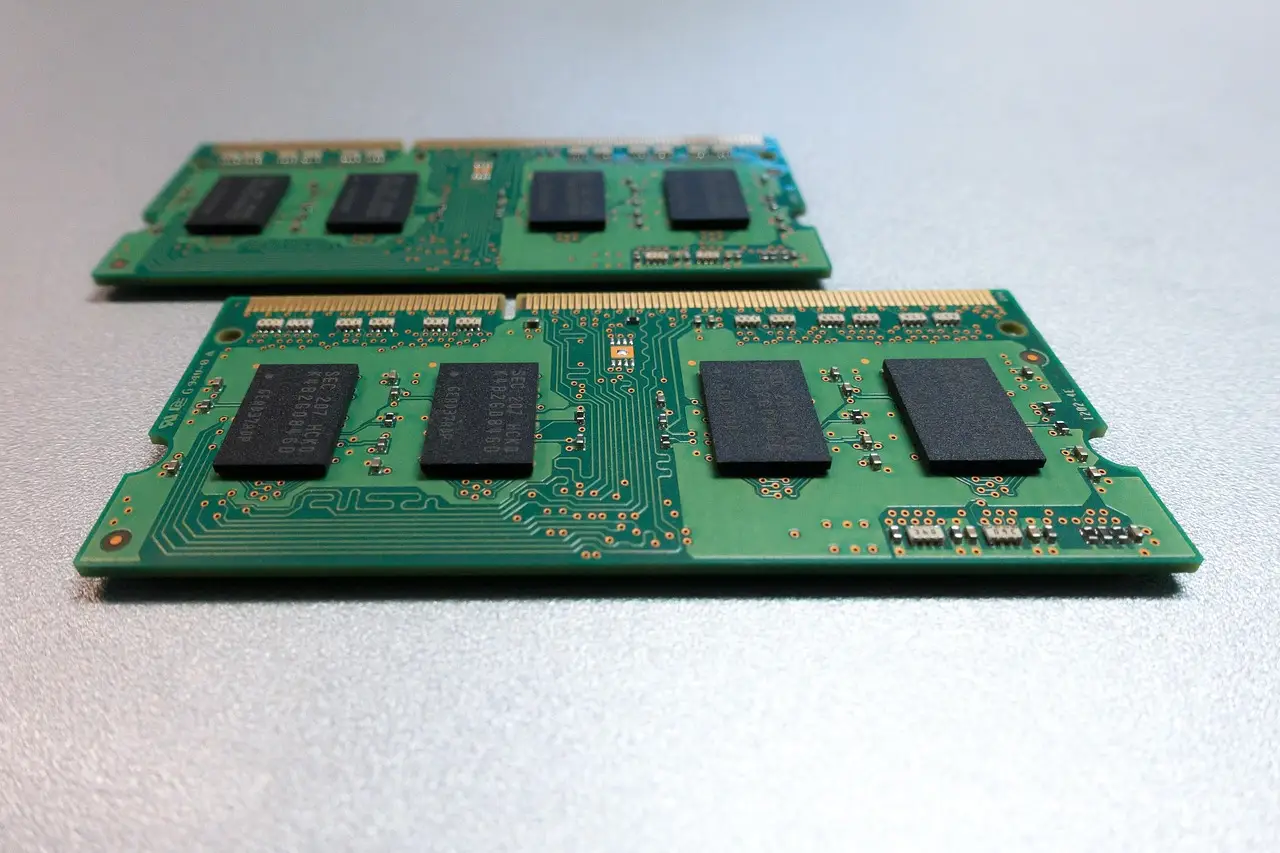
DRAM buyers are now snapping up lots of 5 to 12 units through brokers and eBay, as electronics manufacturers set up procurement "war rooms" to survive what industry voices call the worst memory shortage in history. Taiwanese module maker Apacer has taken out loans simply to have cash ready the moment supply appears. "If chips show up, we take it," Apacer President Gibson Chen told The Wall Street Journal. "This is crazy, but there is no other way."
Even the world's richest buyer cannot jump the queue. A portfolio manager claims Elon Musk offered Samsung a long-term agreement and a financial guarantee for new Samsung fabs, but Executive Chairman Lee Jae-yong allegedly replied that everyone else was already offering the same terms. OpenAI CEO Sam Altman also traveled to South Korea to meet Samsung leadership, seeking more RAM for data centers.
Why small manufacturers are hit hardest
Memory prices have climbed roughly 500 percent, according to the report. PC builders and enthusiasts felt the squeeze first. Now the pressure has spread across electronics manufacturing.
The market splits cleanly by scale. Amazon, Apple, and Microsoft can pay premiums and lock up large volumes under long-term agreements. Smaller firms cannot. They contact hundreds of brokers, trawl online listings, and buy batches as small as five or 12 units.
Some have turned to the gray market. That carries its own risk. Sellers reportedly mix used memory chips into batches of new stock to inflate deliveries.
The shortage has forced hard commercial choices. Some companies have raised prices to cover memory costs. Others cut product specifications while applying a smaller price increase.
How did supply collapse this far?
The scramble for AI compute is the core driver. Micron, Samsung, and SK hynix — the big three DRAM makers — have shifted production toward the more lucrative HBM segment. That reallocation starved conventional DRAM output.
The warnings are blunt. SK hynix has said 2027 will be the "worst year" for memory shortages. TeamGroup's CEO has said the market could reach a point where "even money can't buy goods."
Relief is years away. All three manufacturers are building new fabs, but those facilities are not expected to come online and produce memory chips until 2028. That timeline is structural, not managerial — a memory fab takes years to build regardless of when the decision is made.
Is a new entrant possible?
The barriers to entry remain extreme. A new memory maker faces enormous fab and supply chain costs, a dense thicket of patents to license, and the need to develop its own process technology at scale.
CXMT stands as the only new player that has produced mainstream consumer DDR5. That success carries baggage. The Chinese company faces multiple allegations that it stole the technology from Samsung. Its DDR5 chips also trail competitors on performance and track market prices, so the company is not the budget alternative many enthusiasts expected.
Collusion allegations add legal risk
The big three face a price-fixing lawsuit. The suit alleges they coordinated their shift to HBM in order to cut DDR3 and DDR4 production. The judge handling the case has said it is plausible they colluded as prices surged during the shortage.
Memory's boom-and-bust cycle explains why manufacturers hesitated to add capacity before the crunch, since past gluts punished overinvestment, and even a prompt response at the first sign of shortage would have taken years to translate into output.
With new capacity dated to 2028 and the big three steering wafers toward HBM, buyers from Apacer to OpenAI face at least two more years of rationed supply, gray-market risk, and pricing power held firmly by the manufacturers.
Tom's Hardware (Source)
More from Sophie Lindqvist
Show full bio
News editor covering money, funding and market shifts around Semiconductors, chip manufacturing, hardware, AI compute at Chip Dispatch.
1,343 articles