FPGA Game Boy Clone Rips Cartridges to SD, Outputs 1080p Over HDMI
French engineer Thomas Sanfourche built the SGBC, an FPGA console that plays Game Boy cartridges natively, rips ROMs to microSD, and outputs 1080p HDMI with integer scaling.
- By
- Sophie Lindqvist
- Filed
- Channel
- Hardware & Components
- Read
- 3 min read
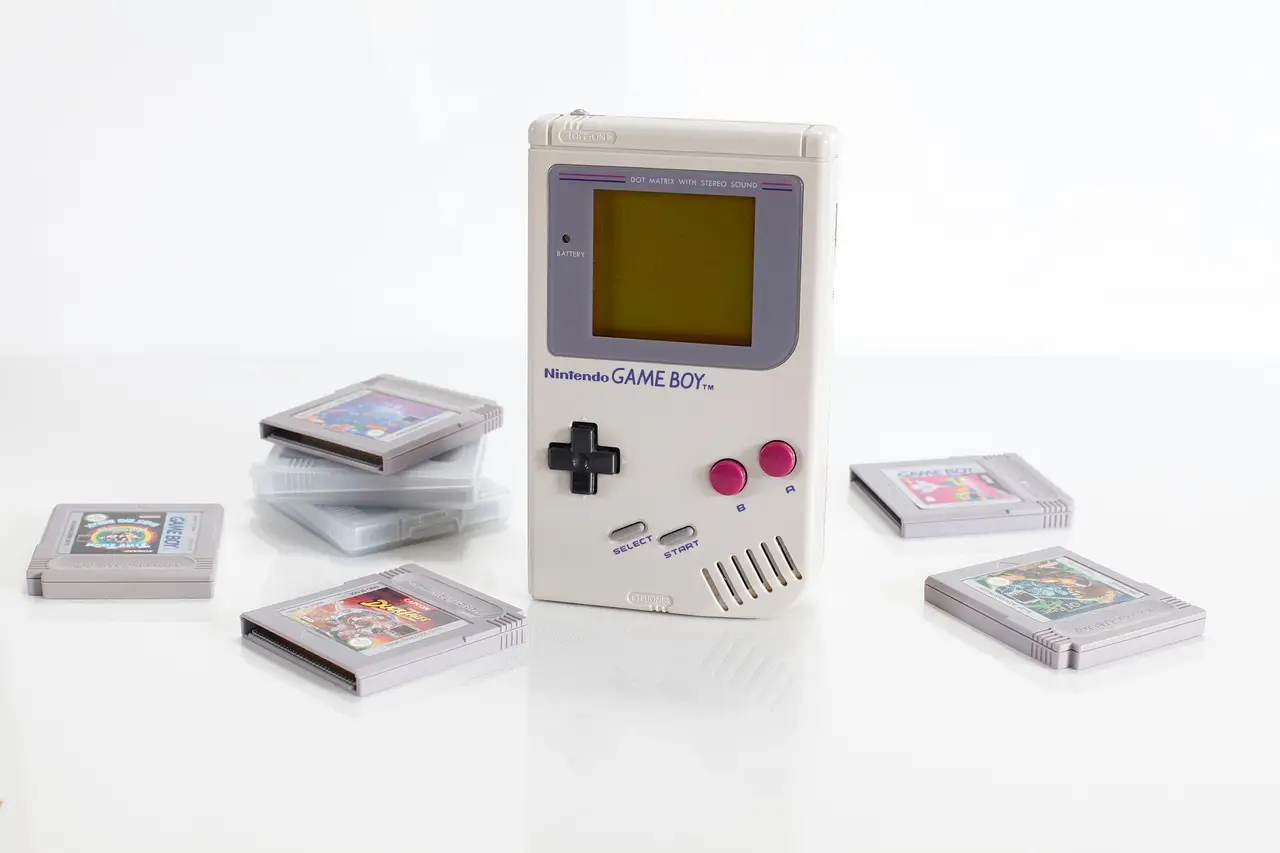
A single FPGA chip recreates the Game Boy's silicon and rips cartridges to microSD. That is the core claim of the SGBC, an unreleased console built by Thomas Sanfourche, a French electronics engineer studying in Taiwan. The device plays original Nintendo Game Boy cartridges natively and digitizes them without a PC.
What does the console actually do?
The SGBC uses a Field-Programmable Gate Array, a reprogrammable chip configured to replicate the logic of another chip — here, the Game Boy's hardware. Sanfourche says the FPGA reproduces not just the CPU but multiple other Game Boy components, though he has not specified which of the original ICs were consolidated into the FPGA. That gap matters. Until the core's coverage is documented, claims of full hardware accuracy remain unverified.
The feature list is concrete:
- Native cartridge ripping: insert a Game Boy cartridge and copy its ROM directly to a microSD card in the console.
- HDMI output at 1080p in a 16:9 frame, without stretching.
- Integer scaling, which keeps game pixels aligned with monitor or TV pixels.
- An SNES controller port.
- A Game Boy Link Cable port for multiplayer and trading.
The link port distinguishes the SGBC from simple emulation boxes, since trading and multiplayer depend on timing behavior that software emulation often gets wrong.
Why did the project nearly die?
Sanfourche presented the Game Boy FPGA core as his final-year project at school, and his professors dismissed it. "What's the point of doing this on an FPGA?" he recalled them asking in an interview with French retro gaming YouTuber GyuGyu. The rejection stopped his work on the core entirely.
The revival came by accident. Sanfourche went to a warehouse to buy a PVM monitor and started talking with another customer — a retro product seller active in the local retro scene. When Sanfourche described the FPGA Game Boy project, the seller asked, "Why don't you market it?" He then offered, on the spot, to finance the equipment needed to market it or at least bring the project to life.
The backer set conditions. He told Sanfourche he does not want to be part of the business, but he wants reselling rights when the product launches, according to the GyuGyu interview. He has also promoted the project by posting updates and teasers to local retro enthusiast Facebook groups.
How did a French engineer end up in Taiwan?
Sanfourche moved to Taiwan to study electronics engineering after discovering a strong interest in the field. He did not know the local language and could not enroll without certification, so he gave himself two years to qualify. He obtained the language certification in six months.
In his second year, he enrolled in an FPGA course after being intrigued by the name, and later chose a Game Boy FPGA core as his final-year project subject.
Where does the SGBC fit in the FPGA console market?
The SGBC has no release date and no price. It enters a field already crowded with funded and shipped FPGA hardware:
- Taki Udon's SuperStation One, from the retro gaming modding YouTuber.
- ModRetro's M64.
- Analogue's SuperNT+ and MegaSG+.
These projects share a premise: rebuild classic platforms with modern conveniences and answer the question of what these consoles would look like if built today. Analogue has proven commercial demand in this niche. The SGBC's cartridge ripping feature, if it works as described, would be a differentiator none of those products offer natively.
The caveat is timing. Nothing in the source confirms manufacturing plans, a launch window, or production volumes. The financing covers equipment, not mass production. Until Sanfourche announces availability and pricing, the SGBC remains a promising student project with one enthusiastic reseller waiting in Taiwan.
Source: Tom's Hardware
More from Sophie Lindqvist
Show full bio
News editor covering money, funding and market shifts around Semiconductors, chip manufacturing, hardware, AI compute at Chip Dispatch.
763 articles
Related articles
russian-chipmakers-show-off-domestic-risc-v-and-arm-silicon-via-retro-games-b10c7bcd
Russian Chipmakers Show Off Domestic RISC-V and Arm Silicon via Retro Games
one-million-nvidia-gaming-chips-reached-china-this-year-1dbfd425
One Million Nvidia Gaming Chips Reached China This Year
kai-fits-korean-ai-chip-into-next-gen-uav-gaonchips-taps-samsung-8nm-b6acfe80
KAI Fits Korean AI Chip Into Next-Gen UAV; Gaonchips Taps Samsung 8nm
chinese-firms-bought-over-1-million-nvidia-gaming-chips-this-year-44c1d4a9
Chinese Firms Bought Over 1 Million Nvidia Gaming Chips This Year