Microsoft Targets 2027 for Maia 300 AI Chip on Azure
Microsoft has set 2027 as the deployment window for Maia 300, the third generation of its custom AI accelerator for Azure cloud infrastructure.
- By
- Grace Kim
- Filed
- Channel
- AI & Compute
- Read
- 3 min read
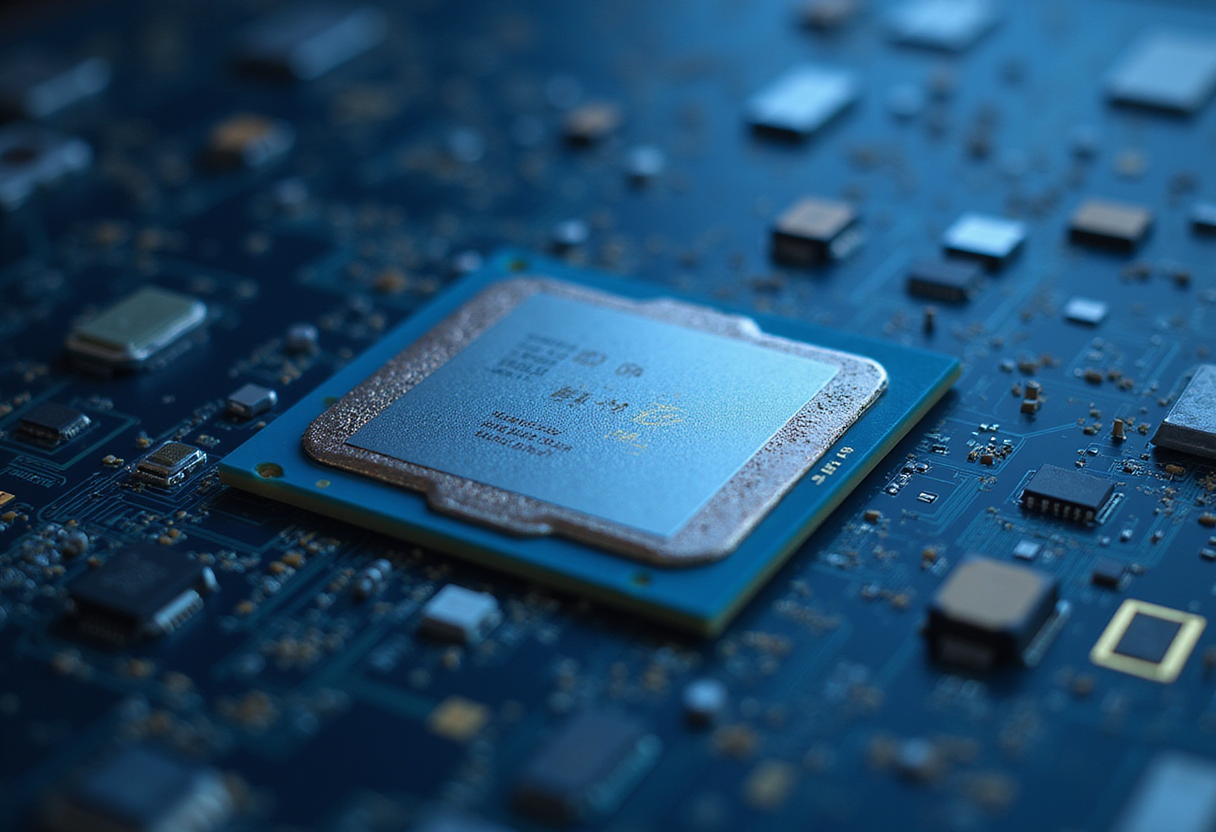
Microsoft plans to deploy its Maia 300 AI accelerator in Azure in 2027, extending a custom silicon program that began with the first-generation Maia chip. The company disclosed the 2027 target in a report by Cloud Computing News. The date anchors Redmond's silicon roadmap three years out and signals sustained investment in in-house accelerators for cloud AI workloads.
The Maia series exists to reduce Microsoft's dependence on merchant GPU suppliers. Microsoft builds the chips for Azure, its public cloud, where AI training and inference workloads consume growing shares of server capacity. A 2027 deployment window for Maia 300 places the third-generation part roughly on a two-year cadence from the original Maia 100, which Microsoft announced in November 2023 alongside its Cobalt CPU.
What does the 2027 date change?
The target confirms Microsoft intends to keep iterating custom AI silicon rather than treat Maia as a one-off project. Each generation has paired tighter integration with Azure hardware. The first Maia chips ran in Microsoft server racks designed around liquid cooling, a departure from standard air-cooled data center configurations.
Microsoft has not disclosed wafer orders, capacity figures, or foundry partners for Maia 300. The company also has not published performance targets for the chip. The 2027 date is a roadmap commitment, not a shipping product.
Who builds the chips?
Microsoft has not named the foundry for Maia 300. Industry reporting has linked earlier Maia generations to Taiwan Semiconductor Manufacturing Co., which counts most large hyperscalers among advanced-node customers. Microsoft has not confirmed that relationship. Any capacity allocation at leading-edge nodes for 2027 delivery would need booking years ahead, given how advanced packaging capacity has tightened since the AI buildout began.
Why does Microsoft design its own AI chips?
The rationale is cost and supply. Nvidia's accelerators dominate AI compute and carry premium pricing. Cloud operators that design their own silicon can tune chips to their workload mix and negotiate from a stronger position with external suppliers. Google ships its TPU family. Amazon Web Services offers Trainium and Inferentia. Microsoft's Maia is the same playbook.
Maia 300 arrives as that competitive field widens. By 2027, Microsoft will compete not only with merchant GPUs but also with successive Google TPU generations and Amazon silicon, all of them contending for the same leading-edge wafer and packaging capacity.
What comes before Maia 300?
Microsoft is also expected to ship an intermediate generation before 2027. The company has spoken publicly about a Maia 200-class follow-up to the original chip, though it has not committed to a deployment date for that part in the material reviewed here. The 2027 target applies to Maia 300 specifically.
Each generation serves Azure first. Microsoft has not said whether it will sell Maia-based capacity as a distinct Azure instance type, as AWS does with its custom silicon, or run the chips behind existing service tiers.
What to watch
The confirmation of a 2027 Maia 300 target indicates Microsoft expects its AI infrastructure demand to remain strong enough to justify a multi-generation silicon program. Watch for foundry disclosure, packaging partners, and any Azure service announcements tied to Maia hardware, because those details will show whether Microsoft scales the program toward volume deployment or keeps it as a capacity supplement alongside merchant GPUs.
Source: Google News: AI chips
More from Grace Kim
Show full bio
Market editor covering people, launches and day-to-day practice in Semiconductors, chip manufacturing, hardware, AI compute at Chip Dispatch.
427 articles
Related articles
microsoft-targets-nvidia-dependence-with-maia-300-ai-chip-bf806ff4
Microsoft Targets Nvidia Dependence With Maia 300 AI Chip
microsoft-unveils-azure-maia-300-its-next-custom-ai-accelerator-35ff0a40
Microsoft Unveils Azure Maia 300, Its Next Custom AI Accelerator
microsoft-commits-to-maia-300-for-ai-services-from-2027-a3cde903
Microsoft Commits to Maia 300 for AI Services From 2027
microsoft-to-scale-custom-azure-maia-ai-chips-by-2027-d8478d58
Microsoft to Scale Custom Azure Maia AI Chips by 2027