Why Chip Fabs Need Robots That Barely Ever Make Mistakes
Semiconductor manufacturing now runs on machines that must execute nearly flawlessly, because a single error at any step can ruin wafers worth millions and derail supply.
- By
- Rebecca Stone
- Filed
- Channel
- Chip Manufacturing
- Read
- 2 min read
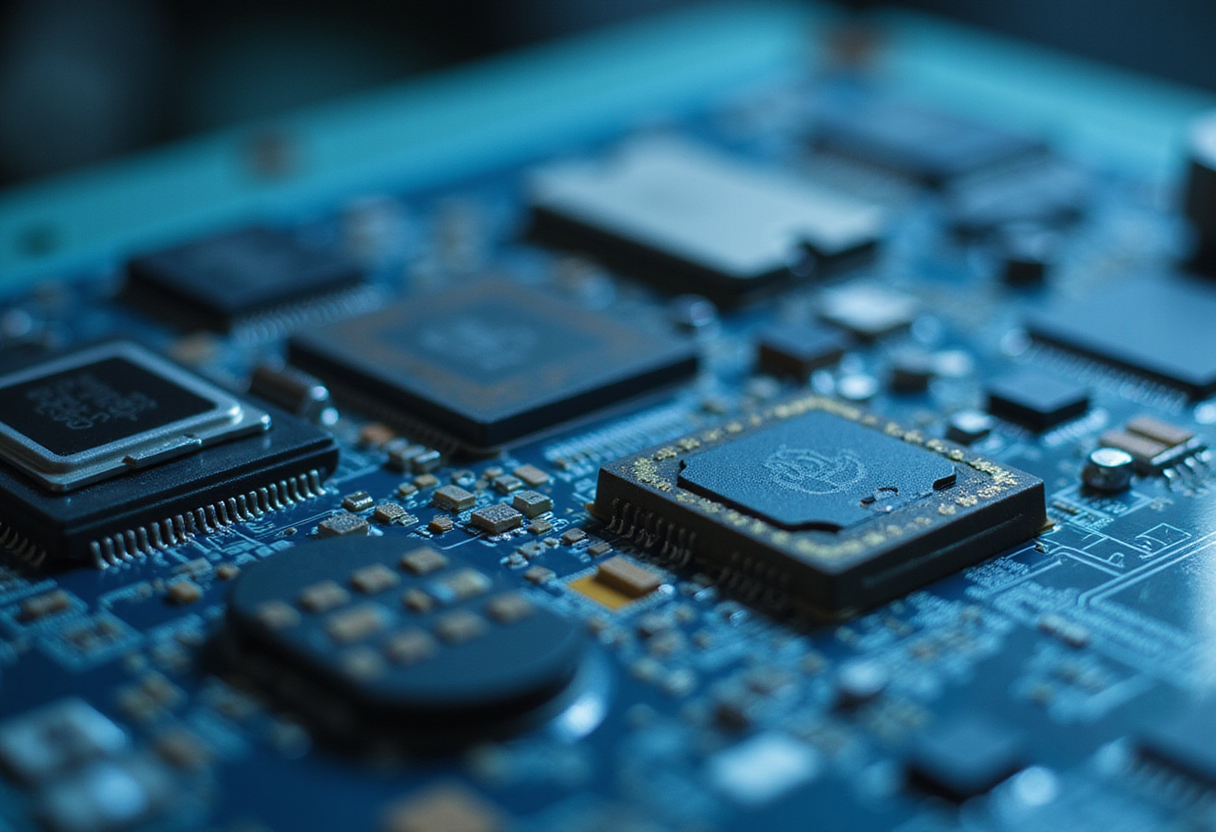
Semiconductor factories have reached a point where the machines running them can afford almost no mistakes at all — a single error inside a modern fab can destroy wafers worth millions before they ever leave the cleanroom.
That is the argument advanced by WION in a recent report examining why robotics and precision automation sit at the heart of chip manufacturing. The piece frames the issue simply: as chips have grown more complex, the margin for error in producing them has shrunk toward zero.
Why can't humans do this work?
They mostly can't, and in many cases they aren't allowed to. Chip fabrication happens in cleanrooms where even a speck of dust can ruin a wafer, and where processes must repeat with identical precision across thousands of wafers, day after day. Human hands, however skilled, bring variability. Robots don't.
The report's core point is economic as much as technical. Wafers that reach the late stages of production embody weeks of accumulated work — layer upon layer of patterning, deposition and etching. A handling error near the end of that sequence doesn't scrap raw material. It scraps nearly finished product, and with it, the cost of everything that came before.
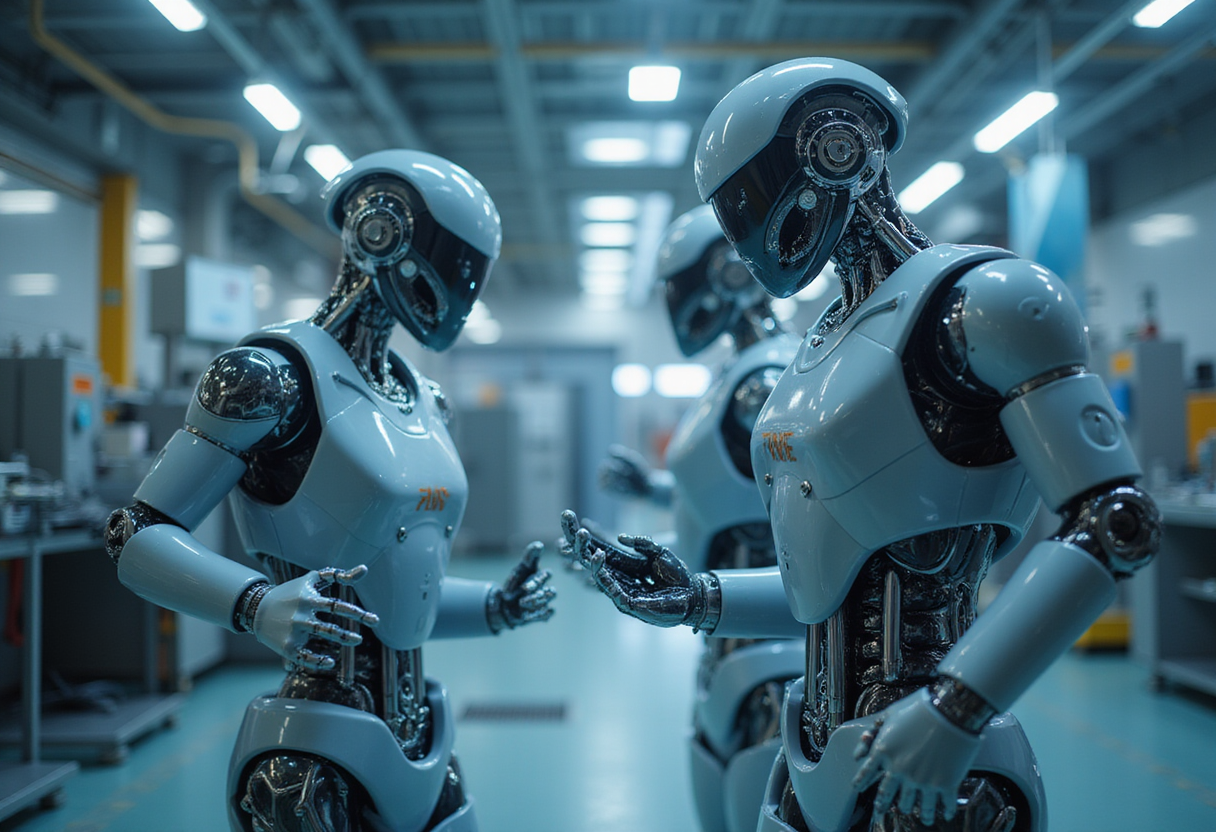
So the robots that move, load, measure and inspect wafers have to be right almost every time. Not mostly right. Nearly perfectly right.
What happens when a robot slips?
The consequences compound fast. One misplaced wafer, one misaligned load, one contaminated tool surface — and an entire batch can be lost. In an industry that spent the past several years racing to add capacity after chronic shortages, losing output to avoidable machine errors is a cost few fabs can absorb quietly.
It also ripples outward. Chipmakers feed automakers, phone manufacturers and datacenter builders. When a fab's yield drops, the shortage shows up somewhere downstream, in someone else's production line.
Where does this go next?
The logic points one direction. As manufacturers push into ever-more-advanced nodes and pack more complexity onto each wafer, the tolerance for error keeps tightening — and the robots inside the cleanroom will have to get even more precise to keep pace.
Source: Google News: semiconductors
More from Rebecca Stone
Show full bio
Correspondent covering technology and product news in Semiconductors, chip manufacturing, hardware, AI compute at Chip Dispatch.
437 articles
Related articles
applied-materials-bets-5-billion-on-next-gen-ai-chip-center-7af279be
Applied Materials Bets $5 Billion on Next-Gen AI Chip Center
applied-materials-expects-ai-demand-to-double-its-revenue-a68456ab
Applied Materials Expects AI Demand to Double Its Revenue
applied-materials-puts-5-billion-behind-shared-chip-research-659b6fc6
Applied Materials Puts $5 Billion Behind Shared Chip Research
chip-inspection-equipment-makers-see-valuations-climb-e163096e
Chip Inspection Equipment Makers See Valuations Climb